
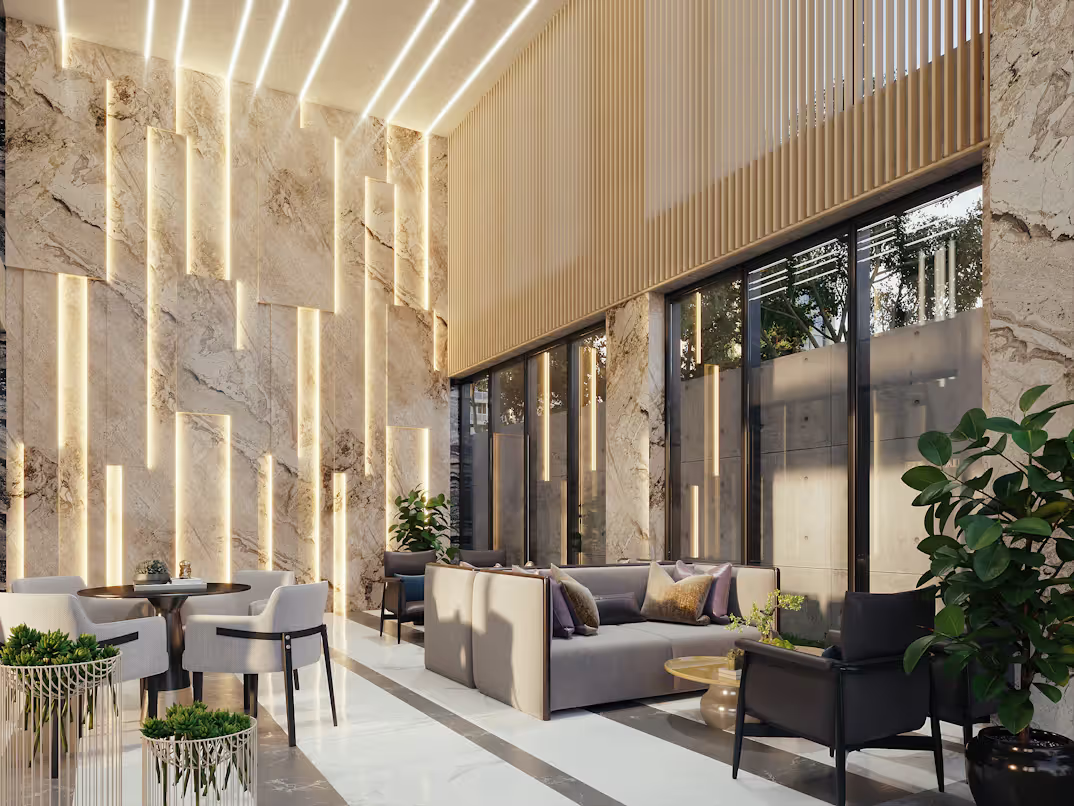
Few materials have shaped architecture and interior design as profoundly as natural stone. Used for centuries in homes, public buildings, and cultural landmarks, it continues to define contemporary interiors through its authenticity, durability, and understated elegance. While finishes and decorative trends evolve, stone remains one of the few materials that feels equally appropriate in both traditional and modern spaces.
Unlike manufactured surfaces that aim for visual perfection, natural stone celebrates variation. Every slab carries unique veining, textures, and subtle shifts in colour, ensuring no two installations are ever exactly alike. These characteristics give interiors a sense of individuality that cannot be replicated by synthetic alternatives.
Today, designers increasingly choose natural stone not simply for its appearance, but for its ability to age gracefully while creating calm, sophisticated environments.
Every Stone Tells a Different Story
One of the most compelling qualities of natural stone is its individuality. Marble displays dramatic veining that makes each surface unique, while limestone offers softer textures that create a calm and understated appearance. Travertine introduces warmth through its earthy tones, and slate provides a richer, more tactile finish that suits contemporary architecture beautifully.
These natural variations are not imperfections but defining characteristics. They add depth and personality to interiors without relying on decorative patterns or excessive colour.
When used thoughtfully, stone becomes a quiet focal point, allowing its natural beauty to speak for itself while complementing timber, glass, and metal finishes throughout the home.
A Material That Ages Gracefully
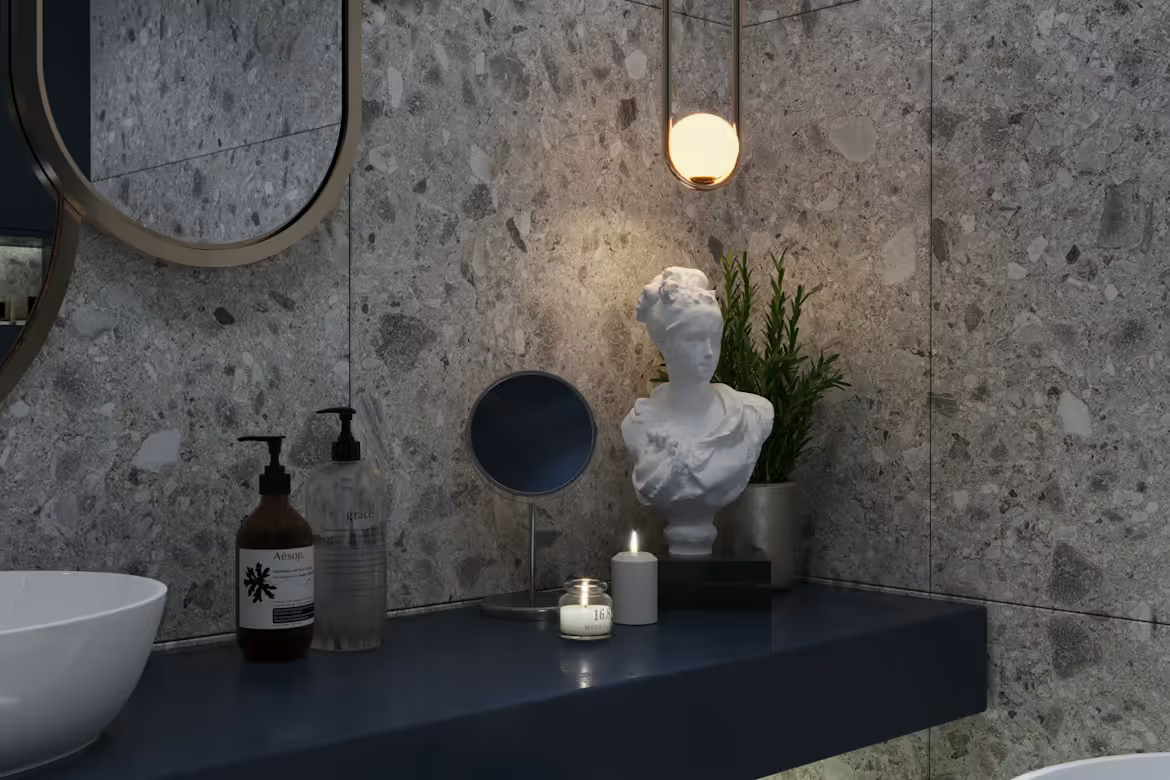
Timeless interiors are built upon materials that improve with age rather than deteriorate. Natural stone performs exceptionally well in this regard.
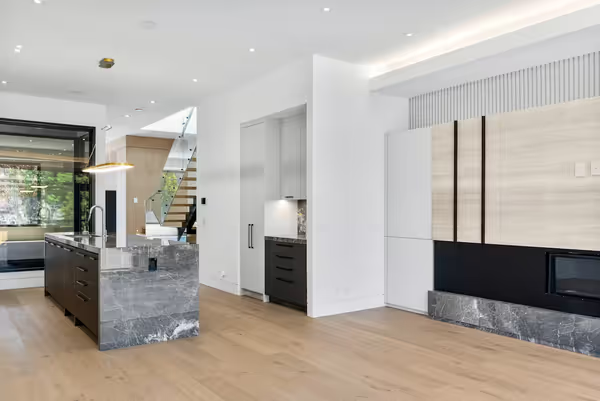
Instead of losing its appeal over time, stone develops character through everyday use. A polished marble countertop becomes part of family routines, limestone flooring gains subtle signs of wear that enhance its authenticity, and stone fireplaces continue to anchor living spaces for decades.
This longevity makes stone a sustainable design choice. Rather than replacing worn surfaces every few years, homeowners can enjoy materials that remain both functional and visually appealing for generations.
Investing in quality finishes ultimately reduces unnecessary renovations while creating homes with greater permanence.
Pair Stone with Warm Natural Materials
Although stone is often associated with luxury, it achieves its greatest impact when balanced with softer materials. Timber flooring, linen upholstery, woven textiles, and handcrafted ceramics all introduce warmth that complements the cool elegance of natural stone.
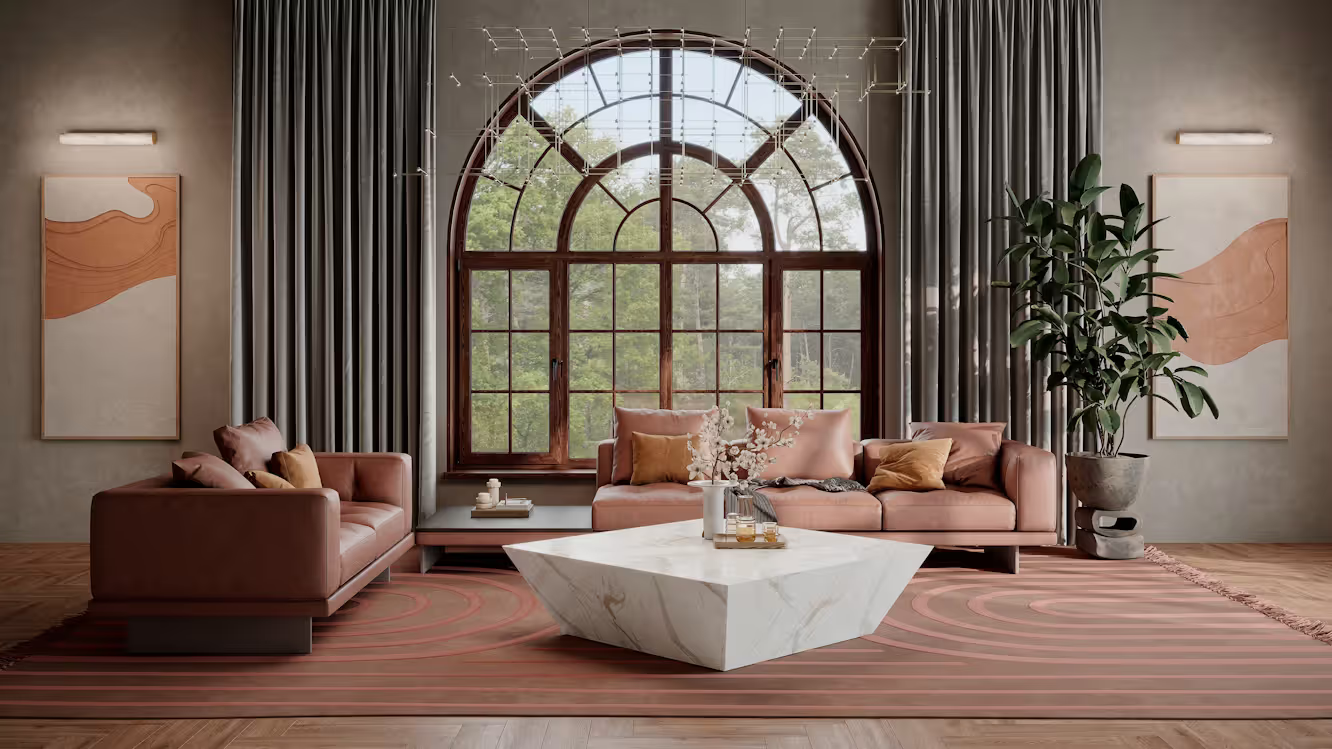
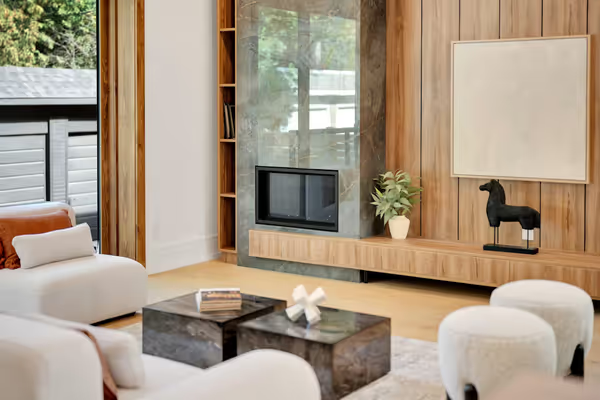
Oak cabinetry paired with limestone splashbacks creates kitchens that feel refined yet welcoming. Marble coffee tables sit comfortably alongside wool rugs and upholstered seating, while stone bathrooms become more inviting through the addition of timber vanities and natural fibre accessories.
This combination of contrasting textures creates interiors that feel layered and comfortable rather than formal or overly polished.
Successful design is rarely about one material dominating a space—it is about creating harmony between several.
Using Stone Beyond Kitchens and Bathrooms
Natural stone is no longer limited to countertops and bathroom walls. Contemporary designers increasingly use it throughout the home to introduce texture and architectural interest.
Stone feature walls create subtle focal points in living rooms, while travertine coffee tables and side tables bring sculptural elegance to seating areas. Limestone flooring establishes continuity between indoor and outdoor spaces, particularly in homes with large sliding glass doors.
Even smaller accents can make a meaningful impact. Stone shelving, decorative bowls, and sculptural objects introduce natural character without requiring major renovations.
By using stone thoughtfully across different spaces, homeowners create interiors that feel cohesive while celebrating authentic materials.
Choosing Stone That Matches Your Lifestyle
Selecting natural stone involves more than choosing a colour or finish. Every variety offers different qualities that suit particular applications.
Marble is admired for its elegance and distinctive veining, making it a favourite for feature surfaces and statement furniture. Limestone creates softer, more relaxed interiors through its subtle texture, while granite provides exceptional durability for hardworking kitchen worktops.
Travertine has become increasingly popular in contemporary interiors thanks to its warm appearance and timeless versatility. Slate, with its textured finish and deeper tones, works particularly well in modern architectural settings.
Understanding how each material performs helps homeowners choose surfaces that remain both beautiful and practical over time.
Final Thoughts
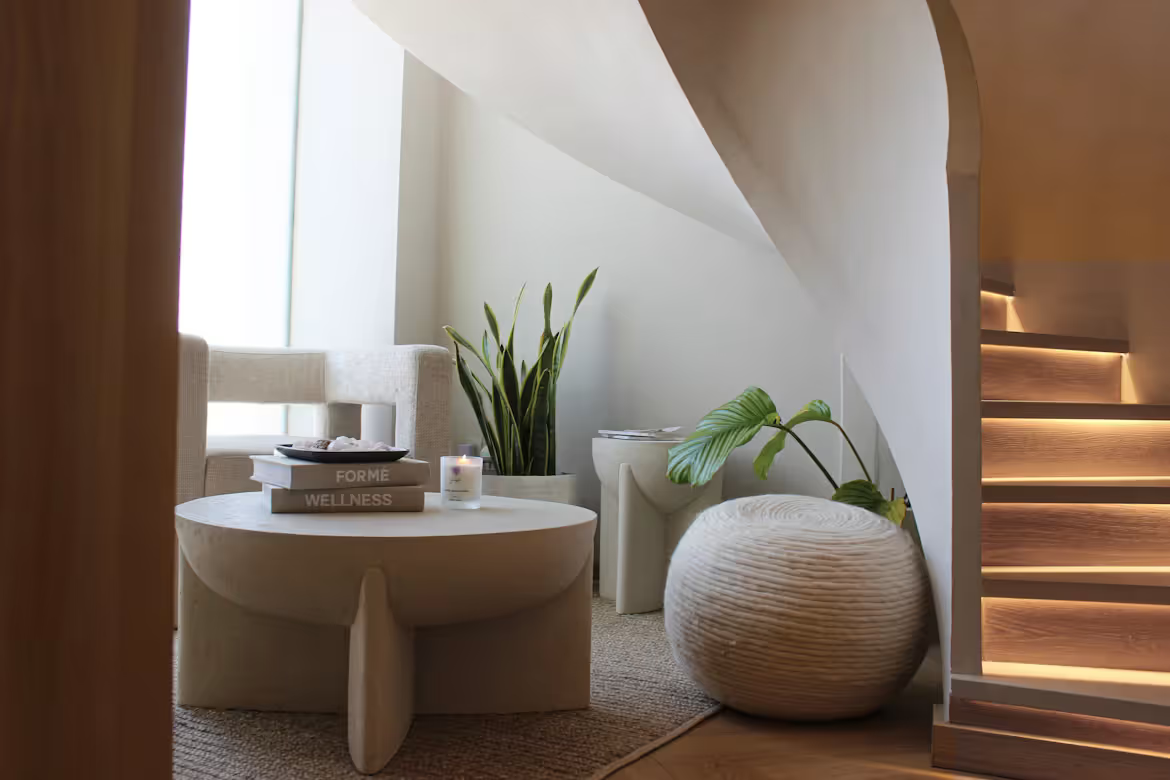
Natural stone has remained one of architecture's most enduring materials because it offers something few manufactured finishes can replicate—authenticity. Every slab carries its own history, texture, and character, adding depth to interiors without relying on changing trends.
Whether incorporated through flooring, furniture, fireplaces, or architectural details, stone creates homes that feel grounded, elegant, and built to last. Combined with natural timber, soft textiles, and generous daylight, it forms the foundation of interiors that mature beautifully over time.
Rather than viewing stone as a luxury reserved for grand homes, today's designers recognise it as a timeless material capable of bringing warmth, craftsmanship, and lasting value to spaces of every size.



Comments