
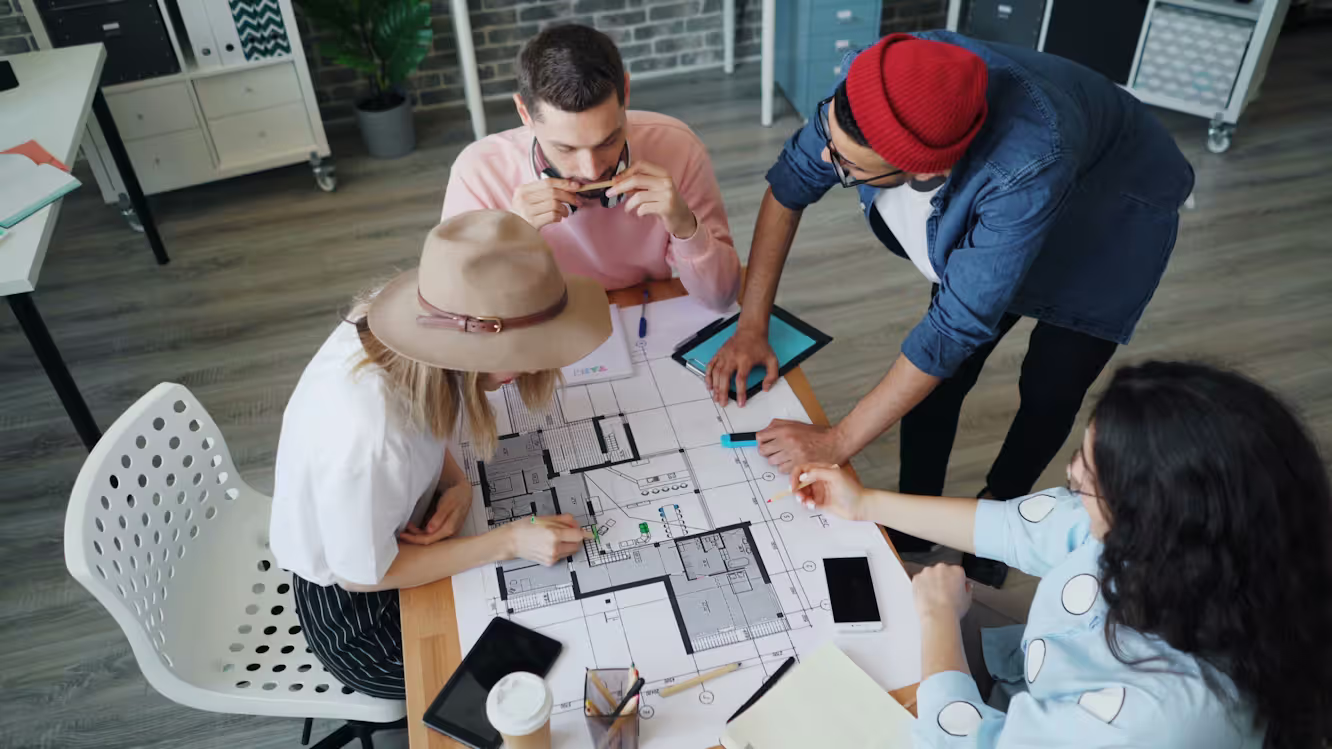
Architecture and interior design have always reflected the way people live. As lifestyles continue to evolve, designers are responding with homes that place greater emphasis on comfort, flexibility, sustainability, and meaningful connections to nature. Rather than creating spaces that simply follow trends, today's leading design professionals are shaping environments that improve everyday life while remaining relevant for decades.
What distinguishes exceptional designers is not a recognizable visual style but a thoughtful design philosophy. Every project begins by understanding how people move through a home, how natural light changes throughout the day, and how carefully selected materials contribute to comfort over time. The result is architecture that feels personal instead of predictable.
Across contemporary residential design, one idea continues to emerge: timeless homes are created by thoughtful decisions rather than dramatic gestures.
Designing Around Everyday Living
Modern designers increasingly begin every project with a simple question: how will people actually use this home?
Instead of dividing houses into rigidly defined rooms, architects now create flexible layouts that support changing routines. Open living spaces encourage interaction between family members, while quiet corners provide places for reading, working, or relaxing. Kitchens connect naturally with dining areas, and outdoor terraces become extensions of interior living spaces.
This human-centered approach produces homes that adapt over time instead of requiring constant renovation.
Successful design is measured not by visual impact alone but by how comfortably it supports everyday life.
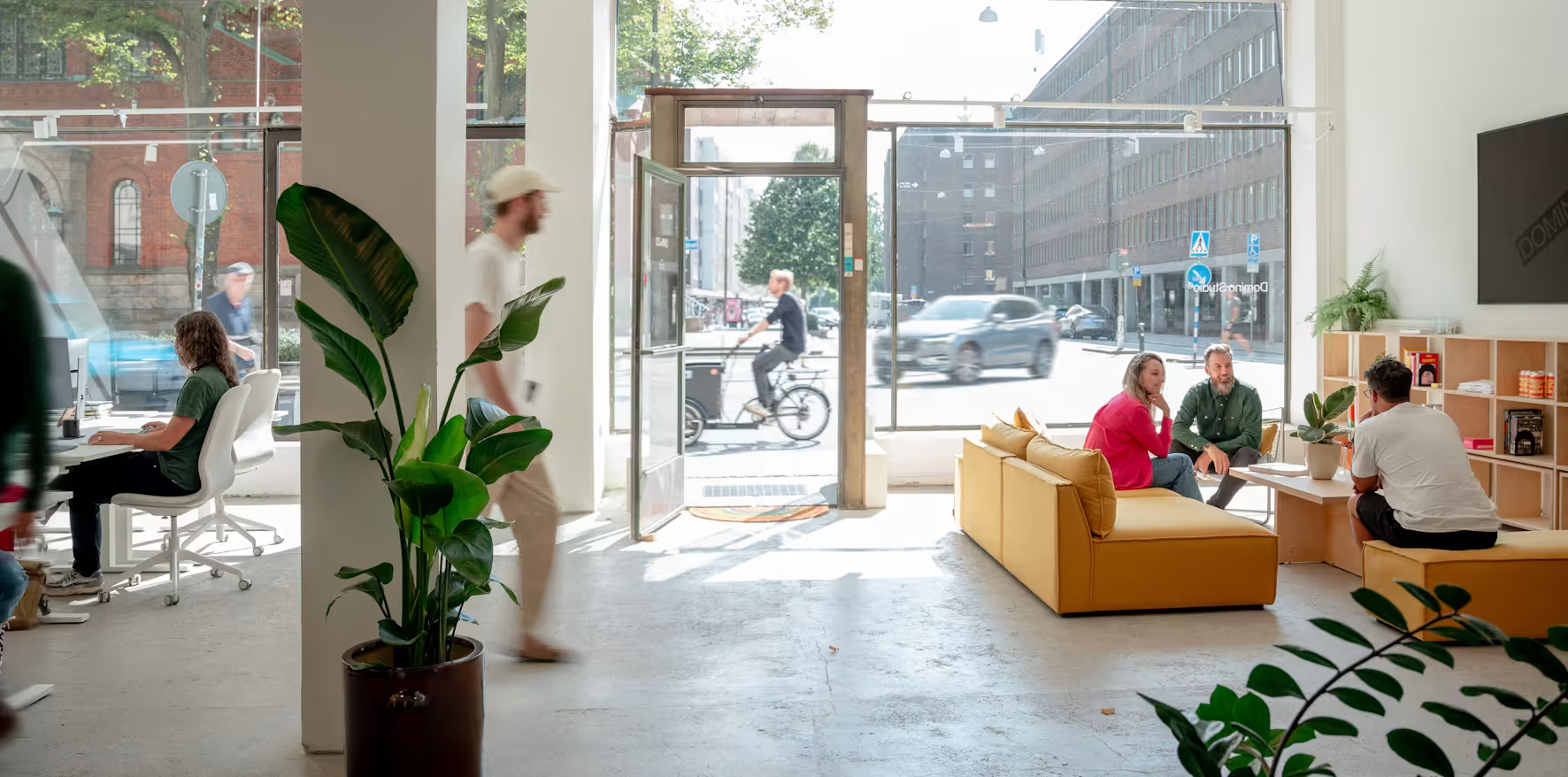
Innovation Through Simplicity
The most influential designers rarely chase short-lived trends. Instead, they refine familiar ideas through careful attention to proportion, materials, and craftsmanship.
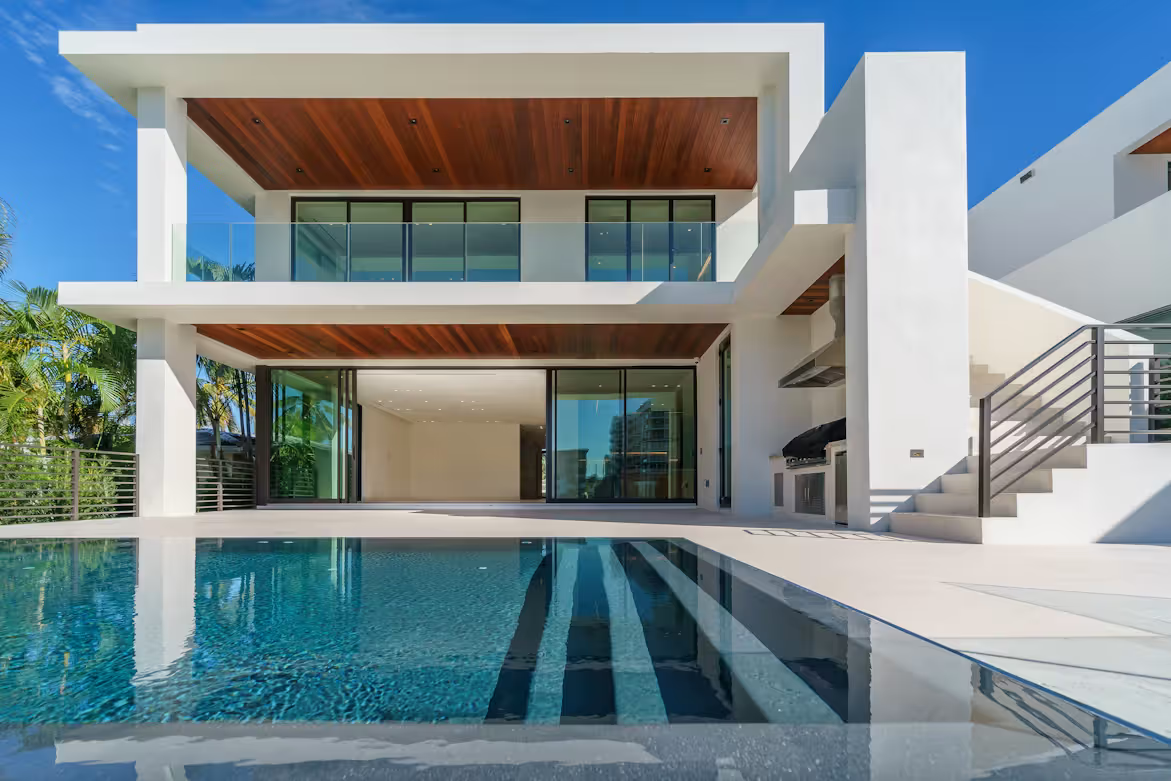
Minimal architectural forms, generous glazing, integrated storage, and natural materials continue to appear because they solve practical challenges while creating timeless interiors. Innovation often lies in improving how these elements work together rather than introducing unnecessary complexity.
Thoughtfully concealed lighting, seamless indoor-outdoor transitions, and multifunctional furniture all demonstrate how simple solutions can dramatically improve daily living.
Good design often feels effortless precisely because every detail has been carefully considered.
Material Choices That Tell a Story
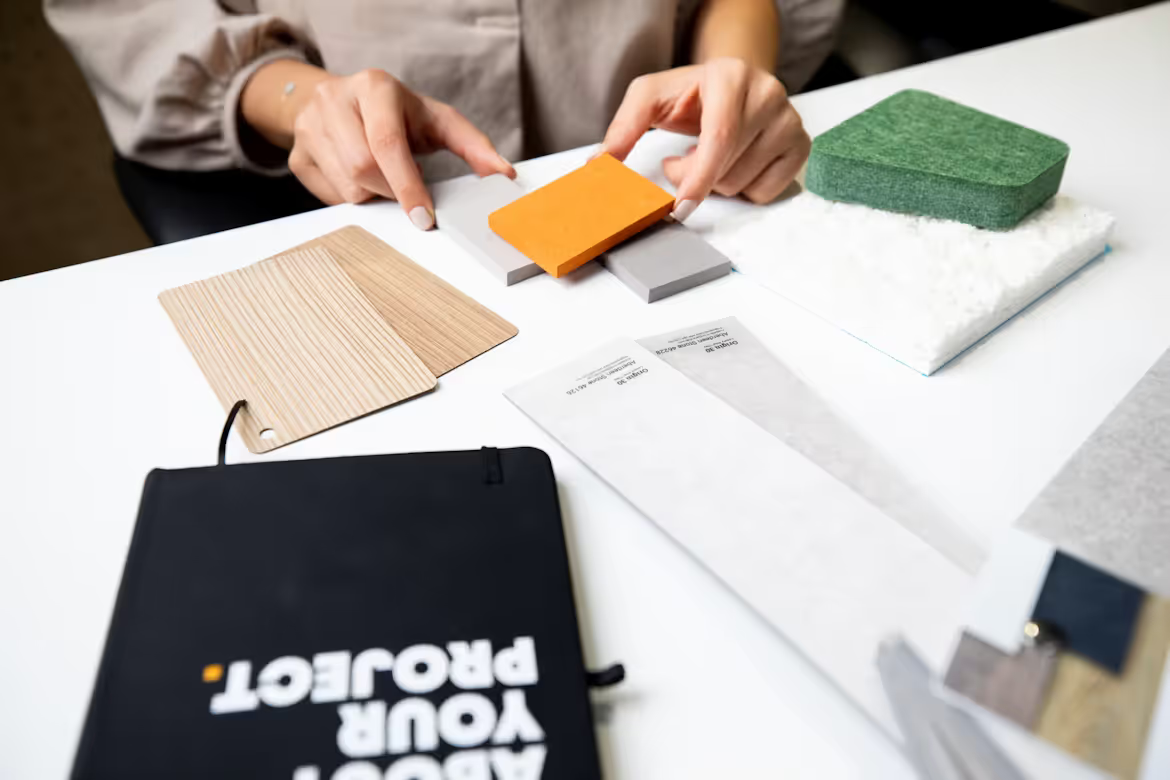
Materials play an essential role in communicating a designer's vision. Rather than relying on decorative finishes, contemporary homes increasingly celebrate authentic materials that reveal their natural qualities.
Timber introduces warmth and tactile comfort, natural stone creates permanence, and handcrafted ceramics add individuality through subtle imperfections. Linen, wool, and textured plaster further enrich interiors while maintaining a calm, restrained aesthetic.
By combining these materials thoughtfully, designers create homes that feel connected to their surroundings and become more beautiful with age.
The focus shifts from decoration to craftsmanship, allowing quality to become the defining characteristic of the interior.
Sustainability as a Design Principle
Environmental responsibility has become a fundamental part of contemporary design rather than a separate consideration.
Architects increasingly prioritize passive cooling, abundant natural daylight, cross ventilation, responsibly sourced materials, and durable construction techniques that reduce long-term environmental impact. Flexible layouts also allow homes to adapt to changing family needs without requiring extensive rebuilding.
These principles demonstrate that sustainability is not about sacrificing comfort or aesthetics. Instead, it encourages smarter decisions that create healthier homes while reducing unnecessary waste.
The best designers understand that lasting architecture should benefit both its occupants and the environment.
Creating Homes That Endure
Trends inevitably evolve, but homes designed around timeless principles continue to feel relevant for generations.
Balanced proportions, authentic materials, carefully framed natural light, and thoughtful craftsmanship remain consistent across many of the world's most admired residential projects. Rather than overwhelming homeowners with fashionable ideas, leading designers create environments capable of adapting as lifestyles change.
This philosophy explains why truly exceptional homes continue inspiring long after they are completed. Their beauty comes from careful design rather than temporary style.
Ultimately, the greatest achievement of any designer is creating spaces where people genuinely enjoy living every day.
Final Thoughts
The future of residential design is being shaped by professionals who value people as much as architecture. Through thoughtful planning, sustainable materials, flexible layouts, and timeless craftsmanship, they continue redefining what makes a home both beautiful and meaningful.
Rather than following trends for their own sake, today's most influential designers create spaces that support everyday life while respecting the environment and celebrating authentic materials. Their work reminds us that exceptional homes are never accidental—they are the result of countless thoughtful decisions made with care, creativity, and purpose.

Comments