
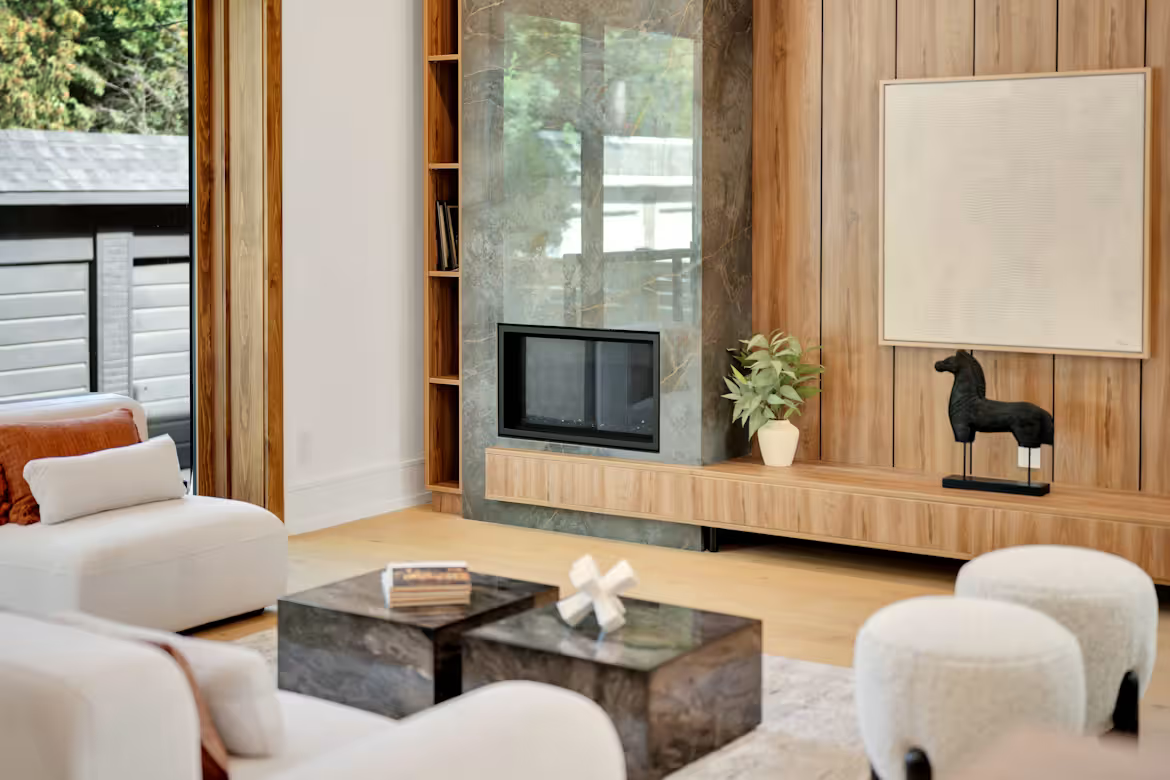
Sustainability has become one of the defining conversations in contemporary design, but its influence extends far beyond energy-efficient technology or environmentally conscious construction. Inside the home, the materials chosen for floors, furniture, cabinetry, and finishes have a lasting impact on both the environment and the quality of everyday living.
Today's designers increasingly recognize that sustainability is not about sacrificing beauty. Instead, it encourages thoughtful decisions that prioritize durability, responsible sourcing, and timeless design. Rather than replacing materials every few years, homeowners are investing in finishes that mature gracefully and continue performing for decades.
The result is a new approach to interior design—one where quality, craftsmanship, and environmental responsibility work together to create homes that feel healthier, warmer, and more enduring.
Choose Materials Designed to Last
One of the simplest ways to create a more sustainable home is to invest in materials that stand the test of time. Durable finishes reduce the need for frequent replacements while maintaining their appearance through everyday use.
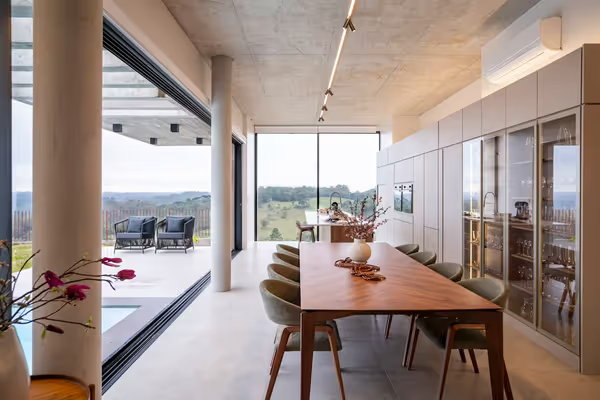
Solid timber flooring, natural stone surfaces, and quality ceramic tiles continue to perform beautifully for decades when properly maintained. Unlike short-lived synthetic alternatives, these materials often become more attractive as they age, developing subtle character that adds authenticity to the interior.
Longevity is one of the most sustainable qualities a material can offer. The longer it remains in use, the lower its environmental impact over the lifetime of the home.
Choosing timeless materials also reduces the influence of changing design trends, encouraging slower and more thoughtful renovation decisions.
Responsibly Sourced Timber Makes a Difference
Wood remains one of the most versatile materials in interior design, but responsible sourcing is equally as important as appearance.
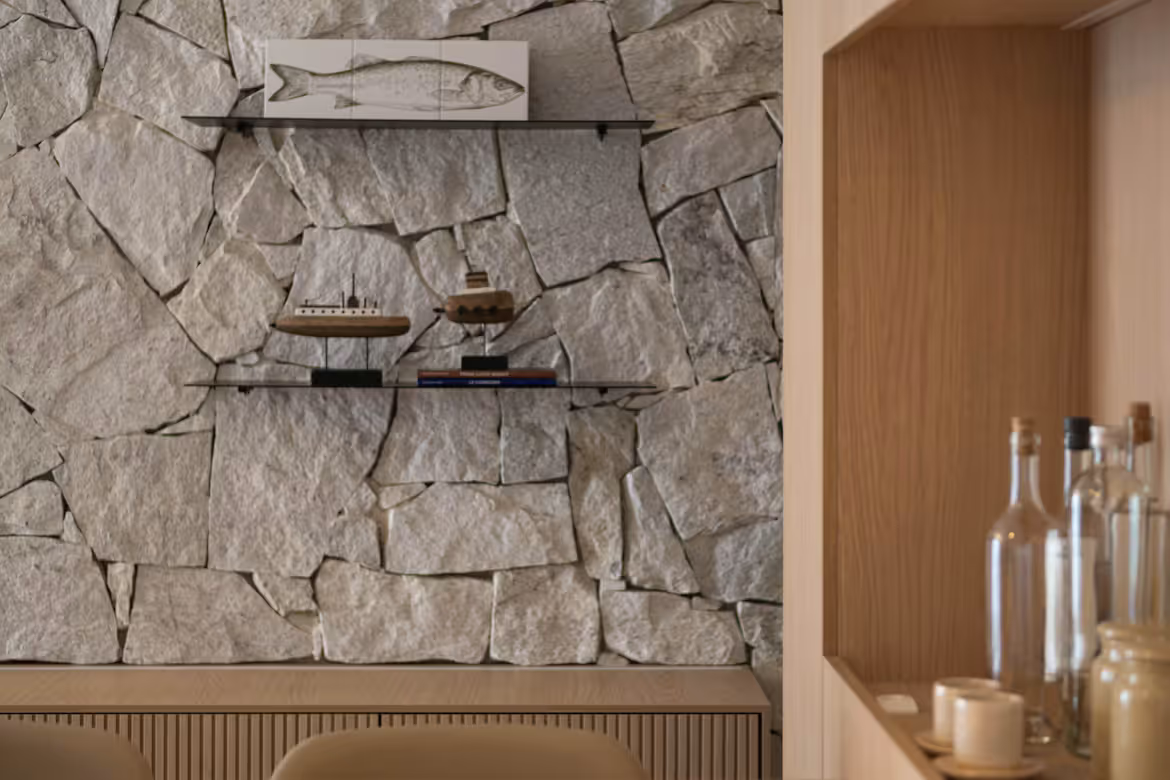
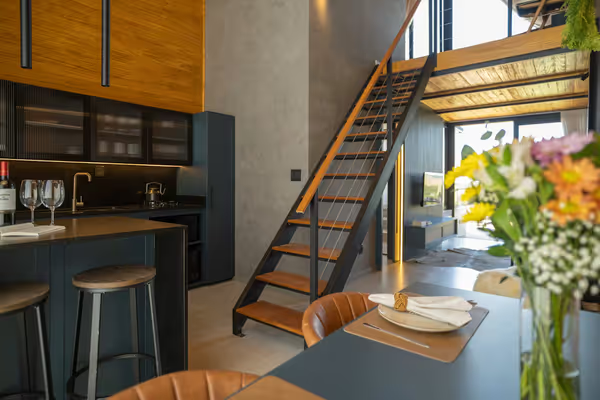
Designers increasingly specify timber from well-managed forests where harvesting practices support long-term ecological balance. Oak, ash, walnut, and other responsibly sourced hardwoods provide exceptional durability while introducing warmth and natural beauty throughout the home.
Timber appears in flooring, cabinetry, furniture, ceiling details, and architectural joinery, creating visual continuity between different spaces. Because it stores carbon throughout its lifetime, responsibly harvested wood also contributes to more environmentally conscious construction.
Combined with quality craftsmanship, timber becomes an investment that serves both the home and the environment.
Embrace Natural and Low-Impact Finishes
Healthy interiors depend not only on structural materials but also on the finishes applied to them.
Natural oils, water-based coatings, mineral paints, and low-VOC finishes help improve indoor air quality while preserving the authentic appearance of timber and stone. These products release fewer harmful emissions and contribute to a healthier living environment for everyone within the home.
Natural textiles such as linen, wool, cotton, and hemp also support this approach. Beyond their environmental advantages, they introduce texture, softness, and comfort that synthetic materials often struggle to replicate.
Together, these carefully selected finishes create interiors that feel both refined and naturally welcoming.
Reclaimed and Recycled Materials Add Character
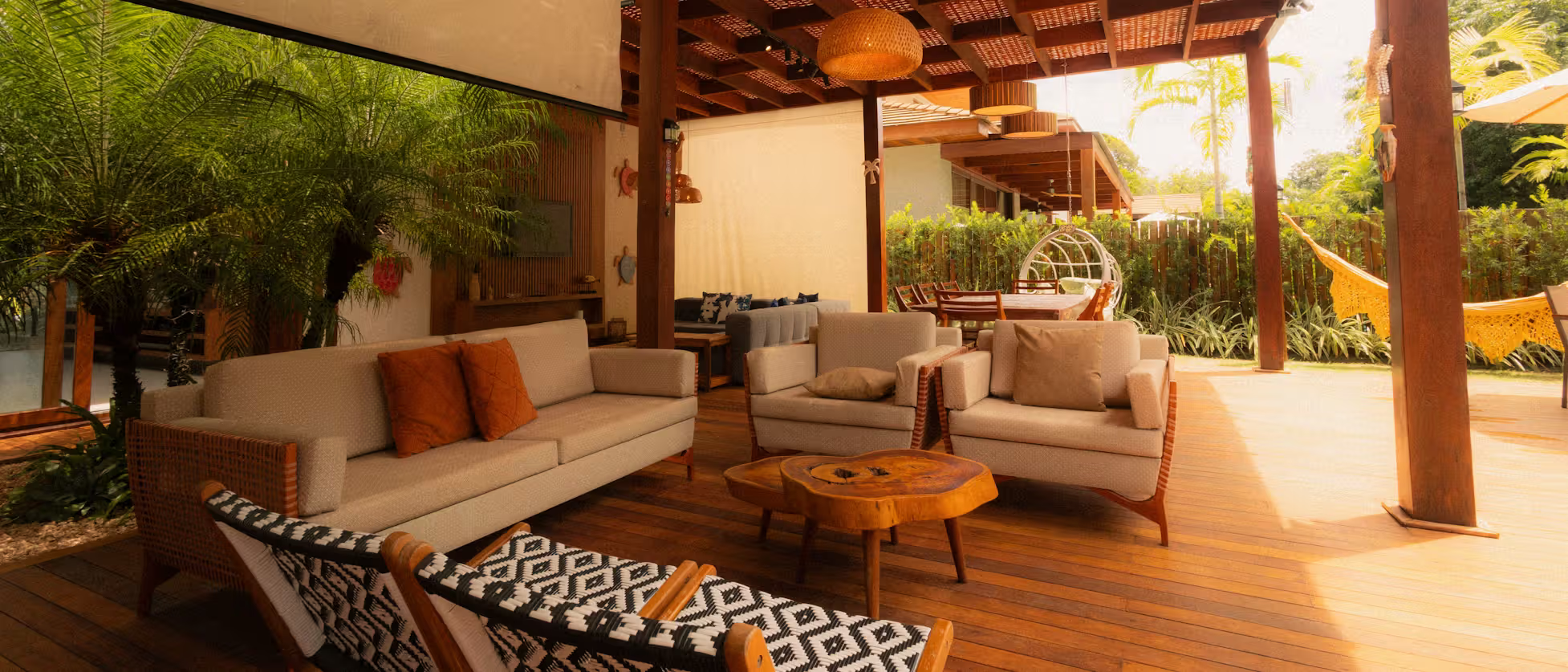
Sustainable design also embraces materials with a previous life. Reclaimed timber, recycled brick, restored furniture, and repurposed metal all introduce distinctive textures that cannot be manufactured.
A reclaimed oak dining table may display subtle marks from decades of use, while recycled brick walls provide warmth and architectural depth. These characteristics become part of the home's story rather than imperfections to conceal.
Using reclaimed materials also reduces demand for newly manufactured products, helping conserve natural resources while limiting construction waste.
Thoughtfully integrated reclaimed elements often become the most memorable features within an otherwise contemporary interior.
Sustainability and Timeless Design Go Hand in Hand
Perhaps the most important principle of sustainable interior design is creating homes that people will continue to love for many years.
Neutral colour palettes, authentic materials, quality craftsmanship, and flexible layouts reduce the desire for constant renovation. Rather than following rapidly changing trends, homeowners invest in enduring design that adapts naturally as lifestyles evolve.
This slower approach benefits both the environment and the people who live within these spaces. Every carefully considered decision contributes to a home that remains relevant, functional, and beautiful across generations.
Ultimately, the most sustainable interiors are those that never need to be completely redesigned.
Final Thoughts
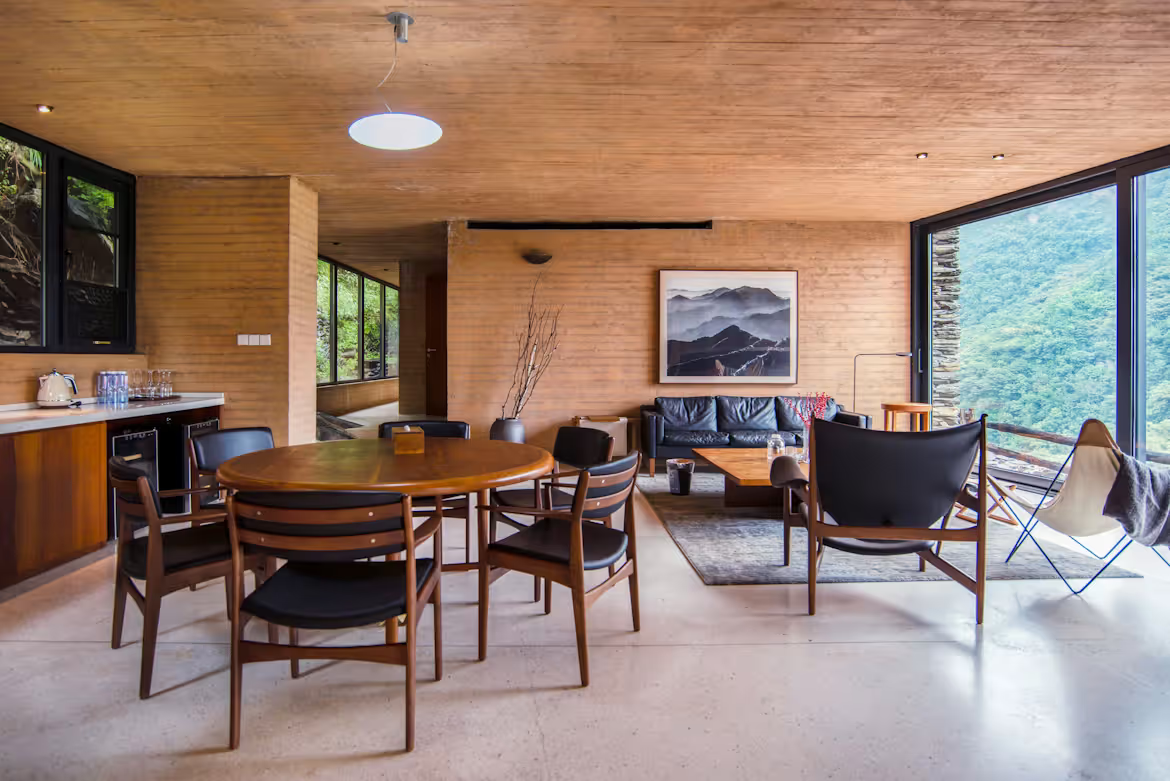
Sustainable design is no longer a separate architectural movement—it has become an essential part of creating homes that balance beauty, responsibility, and longevity. Through carefully selected materials, responsible sourcing, and thoughtful craftsmanship, interiors can reduce their environmental impact while providing exceptional comfort and timeless appeal.
As homeowners increasingly value quality over excess, sustainable materials continue to shape the future of interior design. Their lasting beauty reminds us that the most responsible choices are often the ones that remain relevant for decades rather than seasons.


Comments