
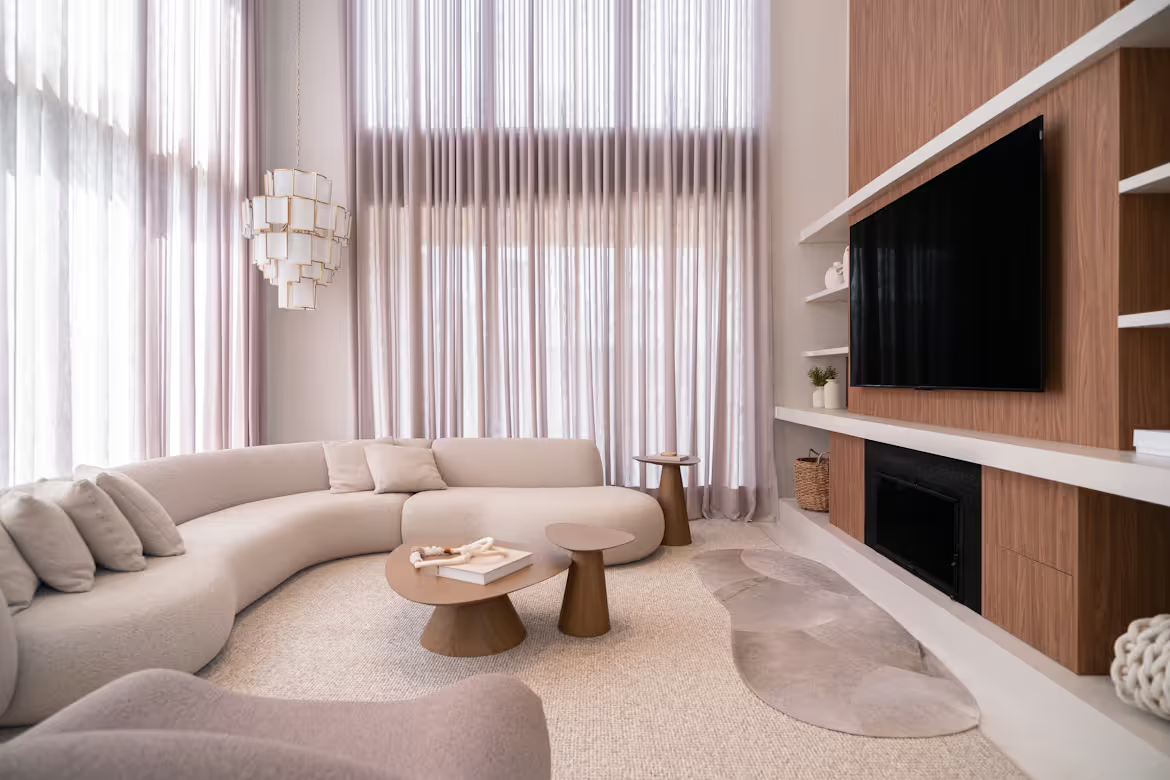
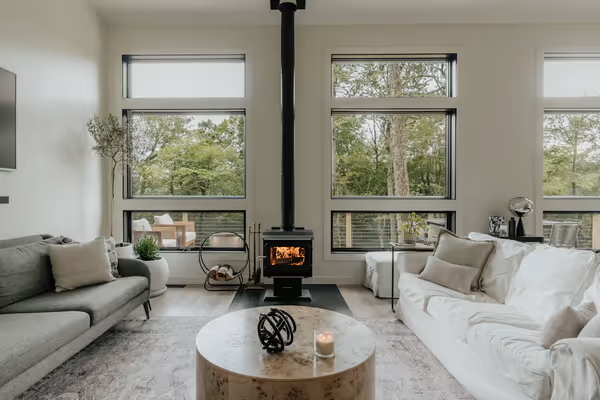
Walk into a beautifully designed room, and you'll often notice something that's difficult to define. It isn't always the furniture, the colour palette, or even the architecture. More often, it's the way materials interact with one another. Soft linen against warm oak, textured stone beside smooth plaster, woven wool layered over timber flooring—these subtle combinations create depth and atmosphere that immediately make a home feel comfortable.
Texture is one of the most overlooked elements in interior design, yet it has an extraordinary influence on how a space is experienced. Even the simplest colour palette can feel rich and sophisticated when natural materials are layered thoughtfully.
Rather than relying on bold colours or decorative patterns, today's most timeless interiors create visual interest through craftsmanship, authentic finishes, and carefully balanced textures that invite people to slow down and appreciate their surroundings.
Layer Natural Materials for Depth
Creating a textured interior begins with selecting materials that complement one another. Rather than introducing contrast through colour alone, designers combine surfaces with different tactile qualities to achieve warmth and visual balance.
Timber flooring provides a natural foundation, while linen upholstery softens seating areas with relaxed elegance. Wool rugs introduce comfort underfoot, and handcrafted ceramics add subtle imperfections that celebrate artisanal craftsmanship.
Stone, leather, woven fibres, and textured plaster further enrich the space without overwhelming it. Together, these materials establish an environment that feels layered, authentic, and connected to nature.
The result is an interior that remains visually engaging even when the colour palette is intentionally restrained.
Balance Smooth and Textured Surfaces
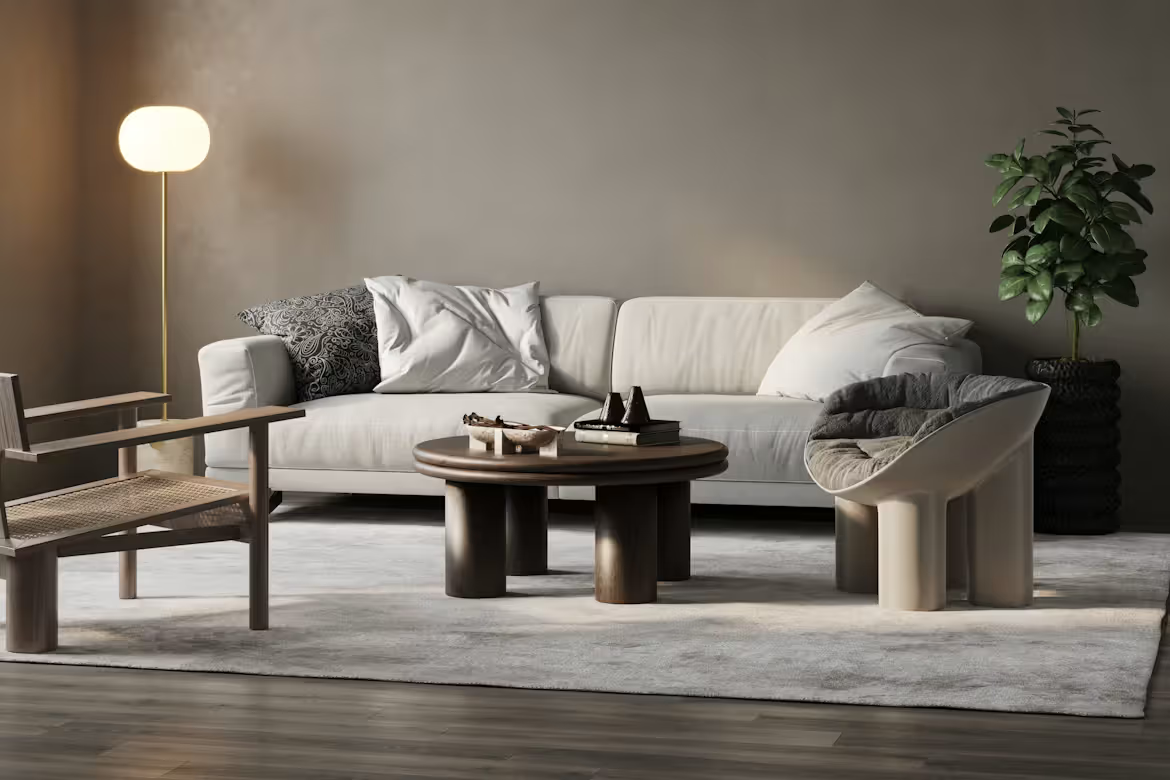
A successful interior combines different surface finishes to create rhythm throughout a room. Smooth materials provide moments of visual calm, while textured finishes introduce depth and character.
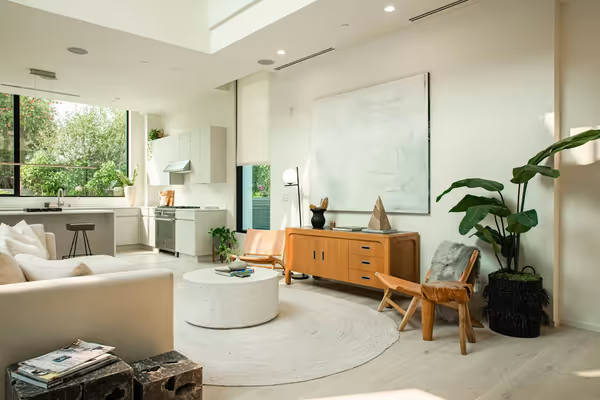
For example, polished stone countertops pair beautifully with brushed timber cabinetry, while matte walls create an understated backdrop for woven textiles and sculptural furniture. Glass and metal contribute subtle contrast without interrupting the warmth established by natural materials.
This careful balance prevents interiors from feeling flat or monotonous. Every material contributes something unique while supporting the overall composition.
Rather than competing for attention, each texture quietly enhances the next.
Textiles Bring Comfort Throughout the Home
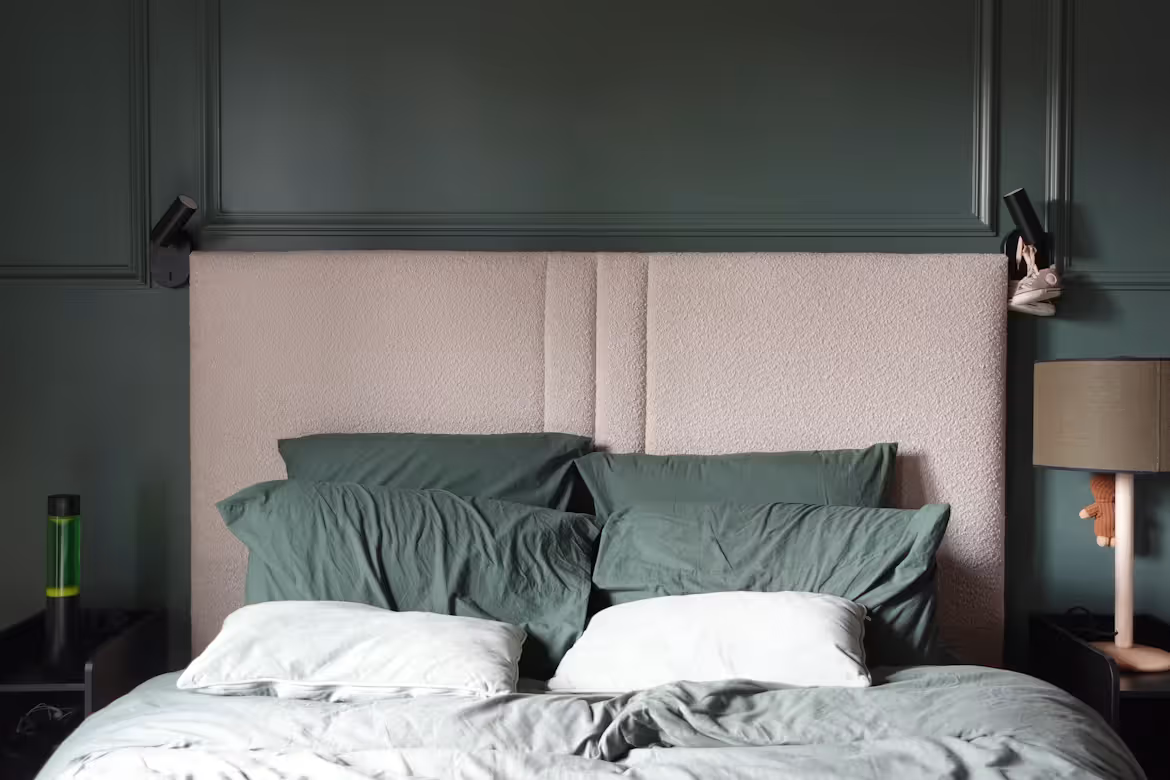
Soft furnishings are among the easiest ways to introduce texture while improving comfort. Linen curtains gently filter natural light, wool throws add warmth during cooler seasons, and textured cushions create inviting seating areas.
Layering textiles of different weights and weaves adds richness without requiring dramatic colour changes. Neutral tones remain visually interesting because texture provides the variation instead.
Natural fabrics also age beautifully, developing a relaxed character through everyday use that complements the timeless quality of wood and stone.
These subtle additions make interiors feel lived in rather than carefully staged.
Let Handcrafted Details Tell the Story
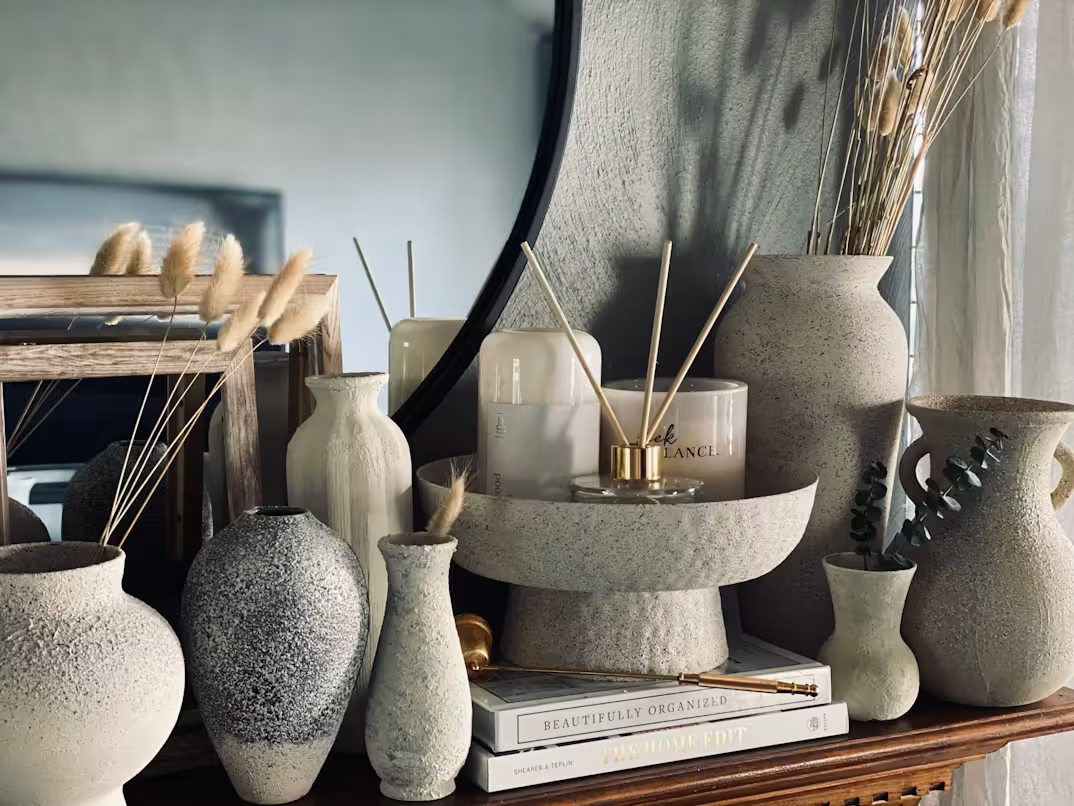
Handmade objects introduce texture in ways that manufactured products rarely achieve. A hand-thrown ceramic vase, woven basket, carved timber bowl, or artisan-made pendant light carries subtle variations that make every piece unique.
These imperfections contribute authenticity while celebrating craftsmanship. Rather than filling shelves with decorative accessories, selecting a few meaningful handmade objects creates a stronger visual impact.
Displaying handcrafted pieces alongside contemporary furniture also creates an appealing contrast between clean architectural lines and tactile natural finishes.
The combination feels timeless because it values quality over quantity.
Texture Creates Timeless Interiors
Design trends frequently introduce new colours and decorative styles, but texture remains relevant regardless of changing fashions. Homes built around natural materials and thoughtful layering continue to feel comfortable because they appeal to our senses rather than simply our eyes.
Even minimalist interiors benefit from texture. Without it, neutral spaces can appear cold or unfinished. With carefully chosen materials, however, the same rooms become warm, inviting, and full of character.
This lasting appeal explains why many of the world's most admired interiors rely on texture as their primary design language instead of excessive ornamentation.
Final Thoughts
Texture is what transforms beautiful interiors into memorable ones. Through the careful layering of timber, stone, linen, wool, ceramics, and handcrafted finishes, even the simplest spaces gain warmth, personality, and lasting appeal.
Rather than following short-lived design trends, investing in authentic materials creates homes that continue to improve with time. Every surface tells part of the story, contributing to interiors that feel calm, welcoming, and effortlessly timeless.
Ultimately, great design is not only about how a room looks—it is about how it feels the moment you step inside.



Comments