
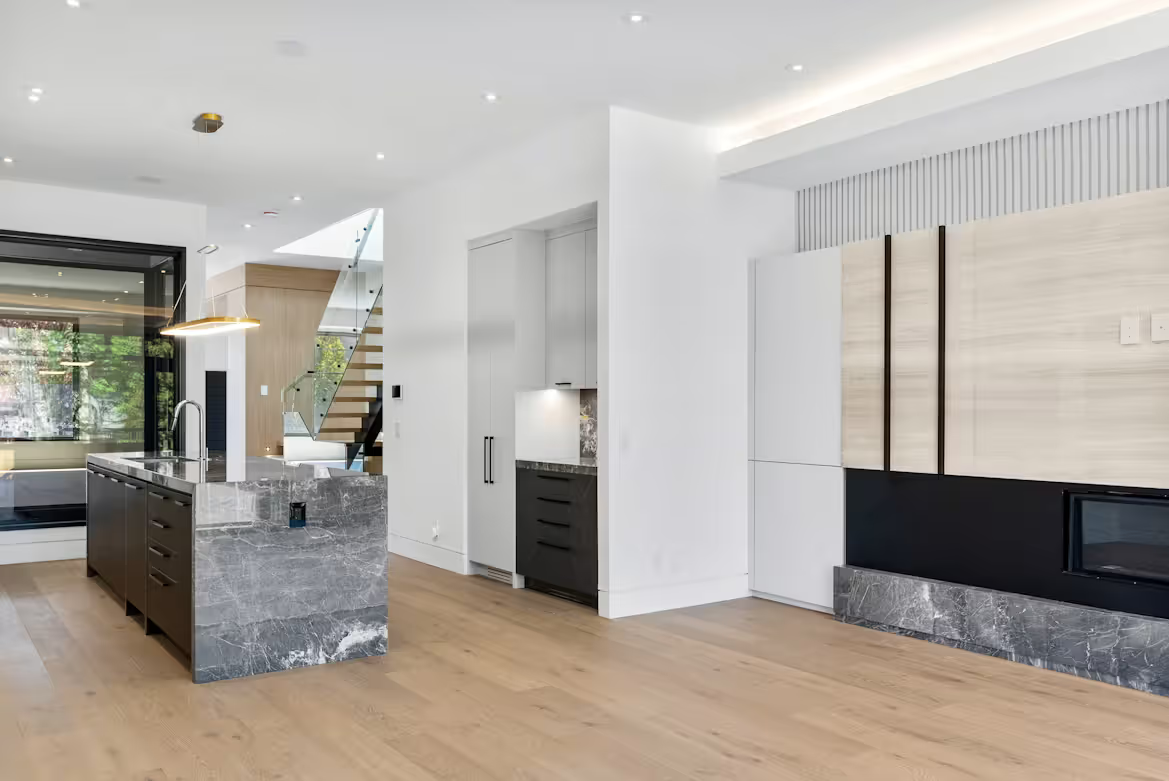
Wood has always been one of the defining materials of exceptional interiors. Its warmth, texture, and natural character make it equally at home in contemporary apartments, Scandinavian-inspired homes, and classic residences. Yet many homeowners hesitate to combine different timber finishes, believing every wooden surface must perfectly match.
In reality, professionally designed interiors rarely rely on a single wood species. Instead, they celebrate contrast through carefully balanced combinations of oak, walnut, ash, teak, and other natural timbers. These subtle variations create visual richness while maintaining harmony throughout the home.
The secret lies not in matching every finish, but in understanding how colour, texture, and proportion work together. When approached thoughtfully, mixed wood tones create interiors that feel collected, authentic, and timeless rather than overly coordinated.
Start with One Dominant Wood Tone
One of the simplest ways to achieve balance is by selecting a primary timber that establishes the foundation of the interior.
This dominant wood usually appears on larger surfaces such as flooring, kitchen cabinetry, or built-in joinery. Once this visual anchor has been established, additional wood tones can be introduced through furniture and decorative elements.
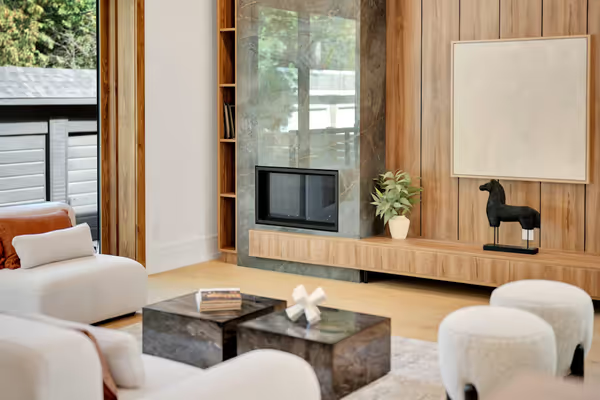
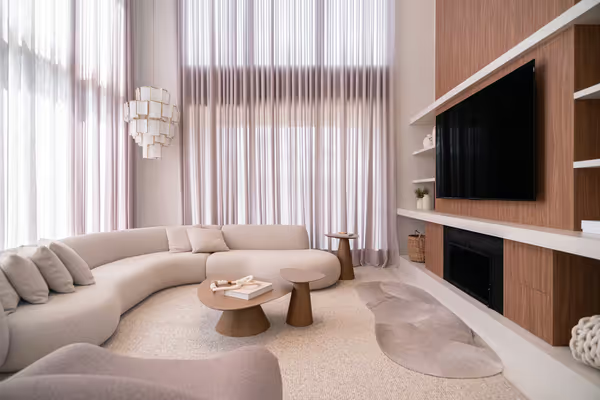
For example, light oak flooring provides a versatile backdrop that pairs beautifully with darker walnut furniture or ash shelving. Similarly, walnut cabinetry can be softened with lighter timber dining chairs and woven accessories.
By allowing one timber to lead the composition, the remaining materials naturally complement rather than compete with one another.
Balance Warm and Cool Undertones
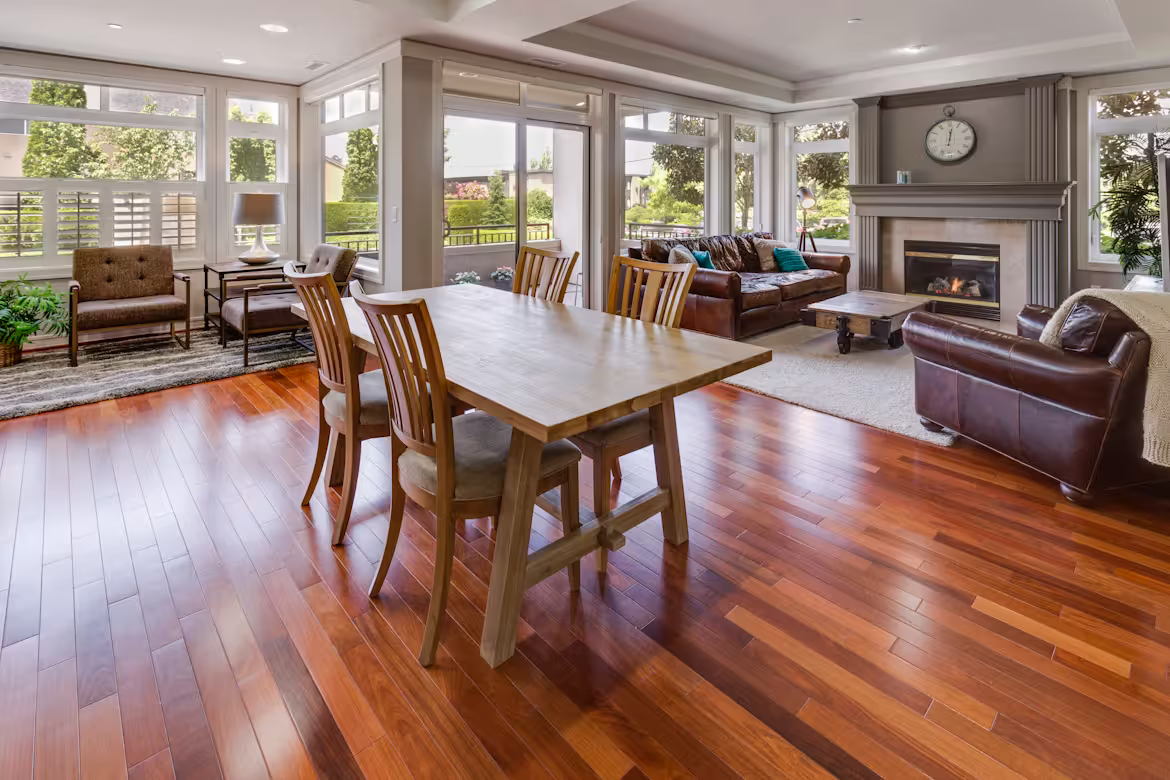
Not all timber carries the same visual temperature. Some woods have warm golden or reddish undertones, while others appear cooler with subtle grey or beige characteristics.
Understanding these undertones helps designers create interiors that feel intentional instead of accidental. Light oak often introduces warmth without becoming overpowering, while ash provides a softer neutral appearance. Walnut contributes richness and depth, making it an ideal accent within lighter interiors.
Rather than focusing solely on colour, observe how different timbers interact under natural daylight. Well-balanced combinations create depth while preserving a calm and cohesive atmosphere.
Natural light often reveals relationships between materials that artificial lighting cannot.
Use Texture to Create Variety
The beauty of timber extends beyond colour alone. Grain patterns, finishes, and surface treatments contribute just as much to the overall character of an interior.
Smooth cabinetry can be paired with rustic dining tables, while finely detailed joinery contrasts beautifully against woven furniture or textured flooring. Matte finishes generally create a more contemporary appearance, whereas lightly brushed or hand-finished surfaces introduce additional depth.
Combining different textures allows timber to remain visually interesting without introducing unnecessary colours or decorative patterns.
Authenticity is often more important than uniformity.
Repeat Wood Tones Throughout the Home
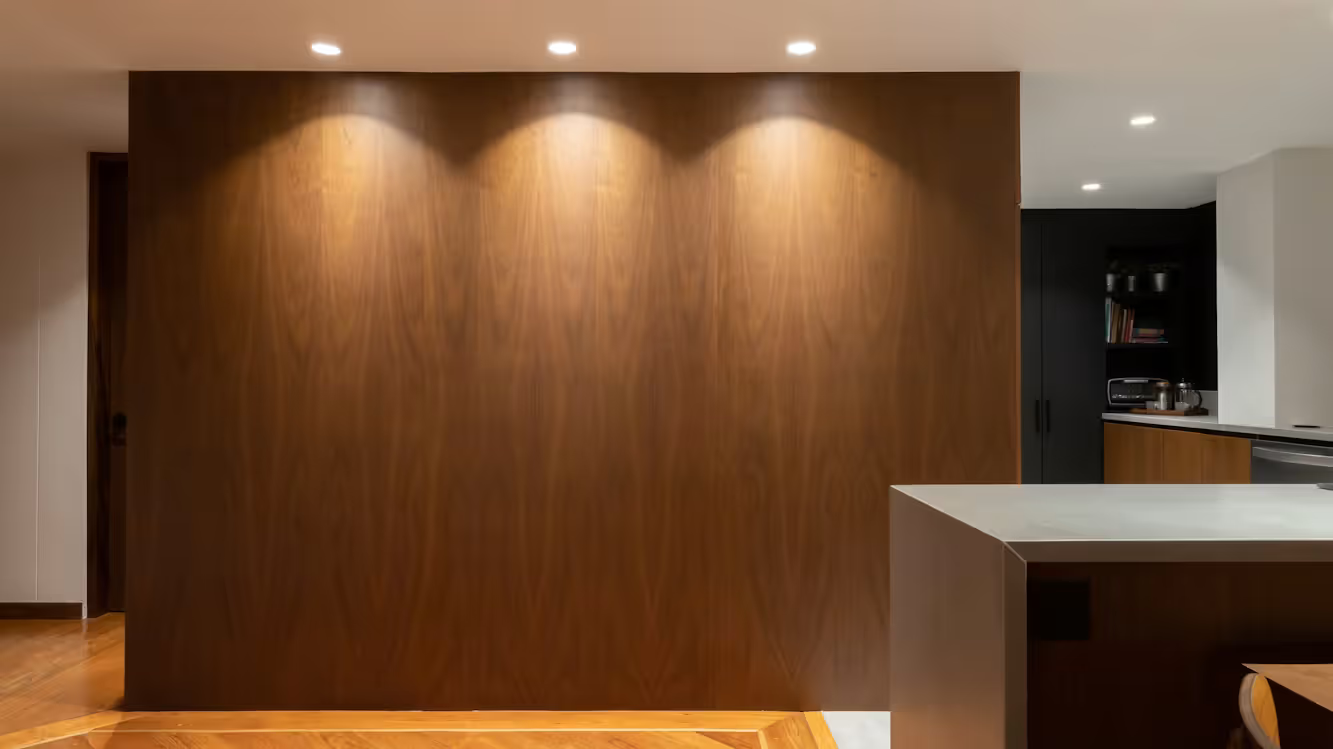
One effective way to create continuity is by repeating each timber finish in several locations throughout the home.
A walnut coffee table might be echoed by dining chairs or shelving, while oak flooring can reappear within kitchen cabinetry or bedroom furniture. These subtle repetitions establish rhythm without making interiors feel overly matched.
Accessories also contribute to this continuity. Timber picture frames, serving boards, stools, and lighting details reinforce the overall material palette while introducing additional warmth.
The objective is not symmetry but visual consistency that quietly connects each room.
Let Other Materials Create Balance
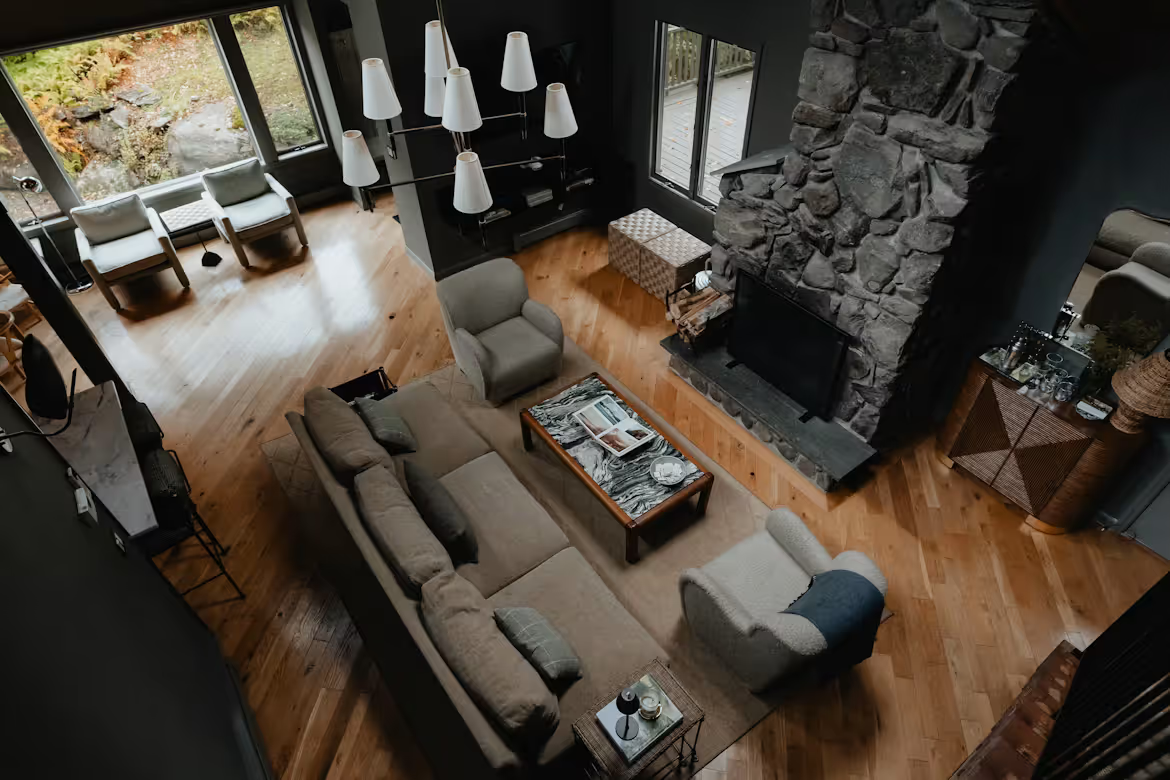
Wood rarely exists in isolation. Stone, linen, leather, glass, and metal all influence how timber is perceived within an interior.
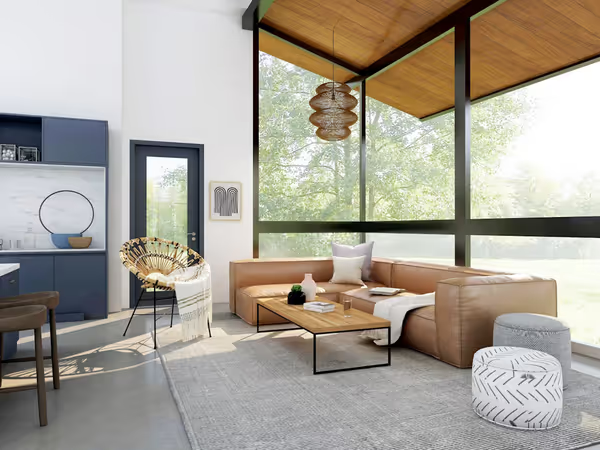
Natural stone provides cool contrast against warm timber, while linen upholstery softens stronger grain patterns. Black steel introduces architectural definition, brushed brass adds warmth, and ceramics create subtle texture between different finishes.
By surrounding timber with complementary materials, designers prevent interiors from becoming visually heavy while allowing each wood tone to remain distinct.
This balanced approach creates spaces that feel layered, sophisticated, and welcoming.
Final Thoughts
Mixing wood tones successfully is not about following rigid rules—it is about creating harmony through thoughtful contrast. By establishing a dominant timber, balancing undertones, repeating finishes, and introducing complementary materials, homeowners can design interiors that feel rich, authentic, and timeless.
Rather than striving for perfect uniformity, embracing natural variation allows every piece of furniture and architectural detail to contribute its own character. These subtle differences create homes that feel curated over time, reflecting craftsmanship and individuality instead of predictable coordination.
The most beautiful interiors remind us that nature never repeats itself exactly—and neither should exceptional design.


Comments