
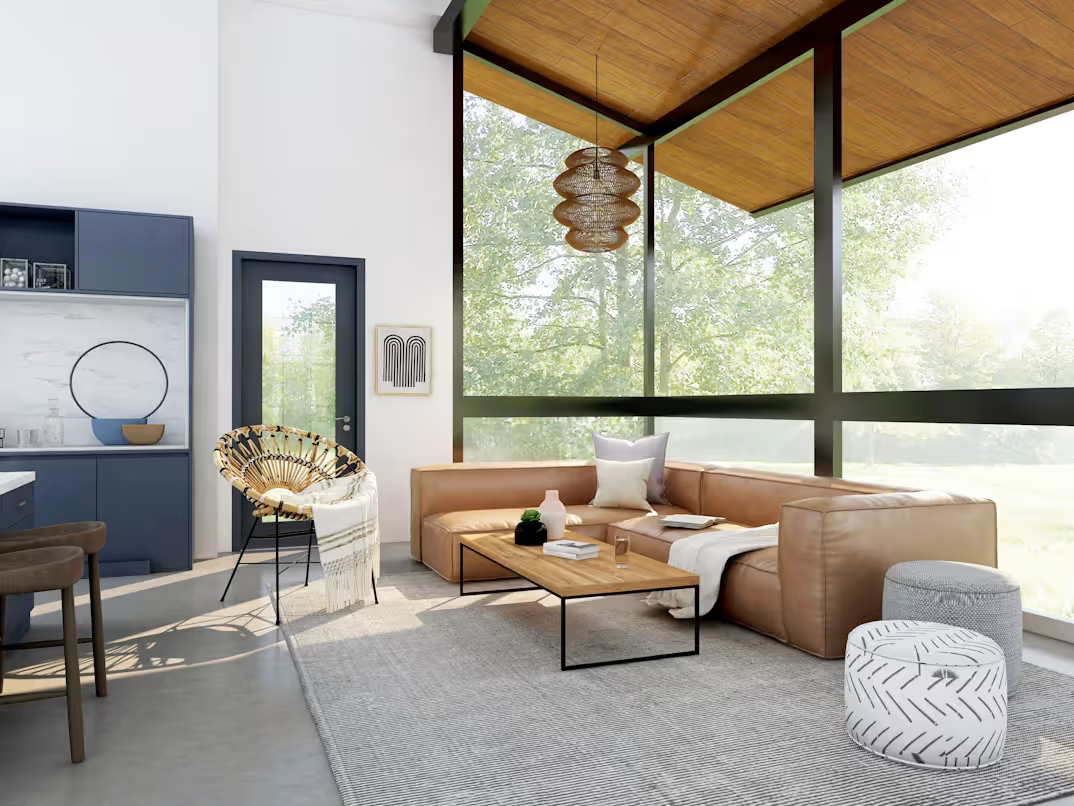
Natural materials have long shaped some of the world's most memorable interiors. From solid oak flooring and limestone walls to woven linen textiles and handcrafted ceramics, these elements introduce a sense of authenticity that manufactured finishes often struggle to replicate. Rather than competing for attention, they quietly establish atmosphere through texture, craftsmanship, and subtle imperfections.
In recent years, homeowners and designers alike have renewed their appreciation for materials that age gracefully. Instead of pursuing flawless surfaces, many contemporary interiors celebrate character—wood that develops a rich patina, stone that reveals natural variation, and fabrics that become softer with everyday use. These qualities create homes that feel lived in rather than staged.
The appeal extends beyond aesthetics. Natural materials also encourage slower, more thoughtful design decisions. Rather than replacing finishes with every changing trend, investing in quality materials creates interiors that remain welcoming for years while developing their own unique story.
Building a Foundation with Honest Materials
Warm interiors rarely depend on a single design feature. Instead, they are built upon carefully selected materials that complement one another while allowing each surface to retain its own identity.
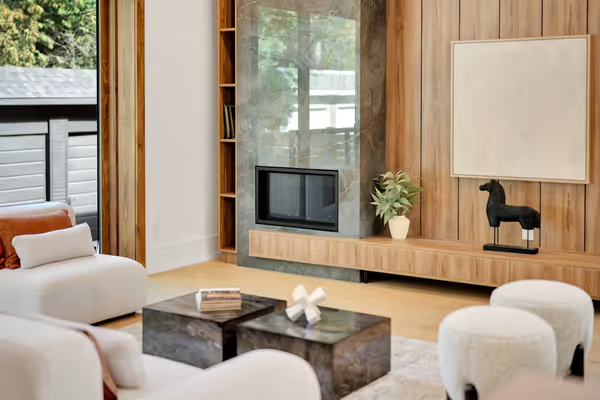
Wood remains one of the most versatile choices. Oak, walnut, ash, and maple each offer distinctive grain patterns and tones that bring warmth to contemporary spaces. Whether used for flooring, cabinetry, or furniture, timber introduces visual depth without overwhelming a room.
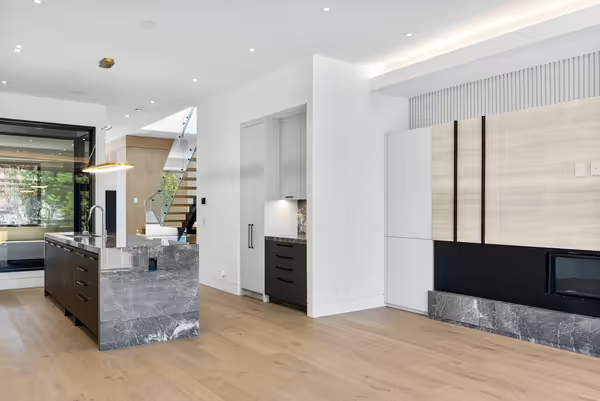
Stone provides a different kind of character. Limestone, travertine, and marble each reflect light in unique ways, adding texture through subtle color variation rather than decorative patterns. Even small stone elements, such as a coffee table or kitchen splashback, contribute a quiet sense of permanence.
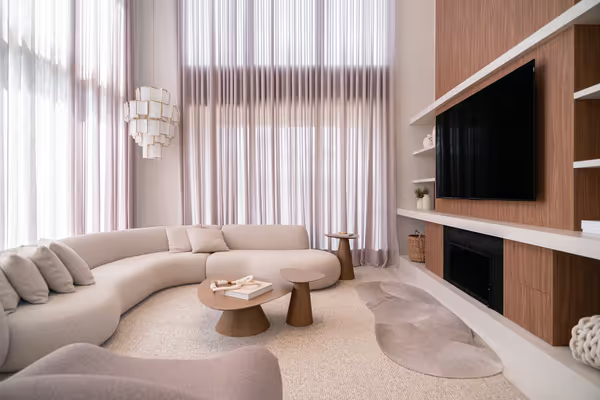
Natural textiles complete the composition. Linen curtains soften daylight, wool rugs absorb sound while adding comfort, and cotton upholstery creates an inviting place to gather. Together, these materials establish interiors that feel balanced and comfortable throughout every season.
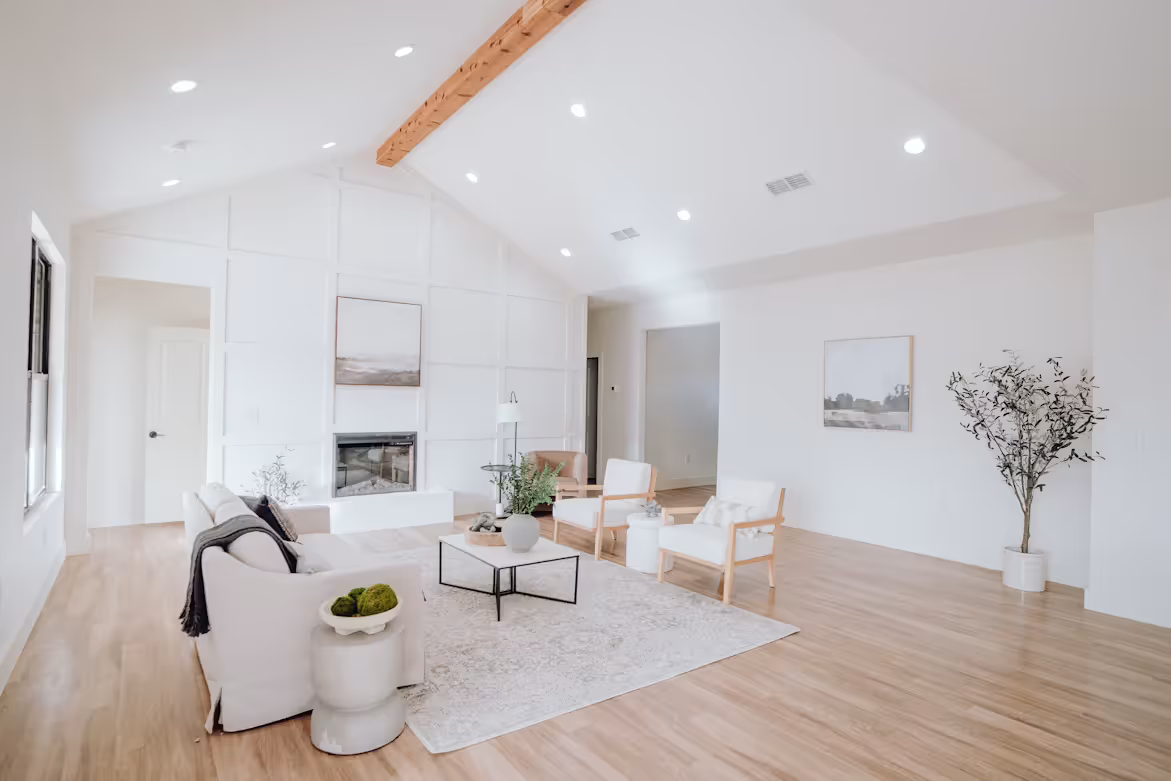
Layering Texture Instead of Decoration
One of the defining characteristics of thoughtfully designed interiors is their ability to create interest without excessive ornamentation. Texture often replaces decoration, allowing natural materials to become the focal point.
A smooth oak dining table paired with woven dining chairs immediately creates contrast. Linen upholstery introduces softness against polished timber, while handcrafted ceramics bring subtle variation to shelving and tables. None of these elements dominate individually, yet together they create visual richness.
Lighting also enhances texture. Morning sunlight highlights the grain of timber flooring, while evening illumination emphasizes the depth of stone and fabric. Throughout the day, the room continually changes, making natural materials feel dynamic despite their understated appearance.
This restrained approach allows interiors to remain visually calm while still offering depth and personality.
Choosing Materials That Age Beautifully
Some materials become more attractive with time rather than less.
Leather gradually softens while developing character unique to its owner. Solid timber furniture gains richness as natural oils and everyday use deepen its color. Brass hardware acquires a gentle patina that adds warmth instead of appearing worn.
These gradual changes contribute to a home's individuality. Rather than replacing furniture or finishes because they show signs of use, many designers embrace these subtle transformations as evidence of everyday living.
Durability also plays an important role in sustainable design. Investing in well-crafted furniture and quality finishes reduces unnecessary replacements, creating interiors that evolve naturally instead of requiring frequent renovation.
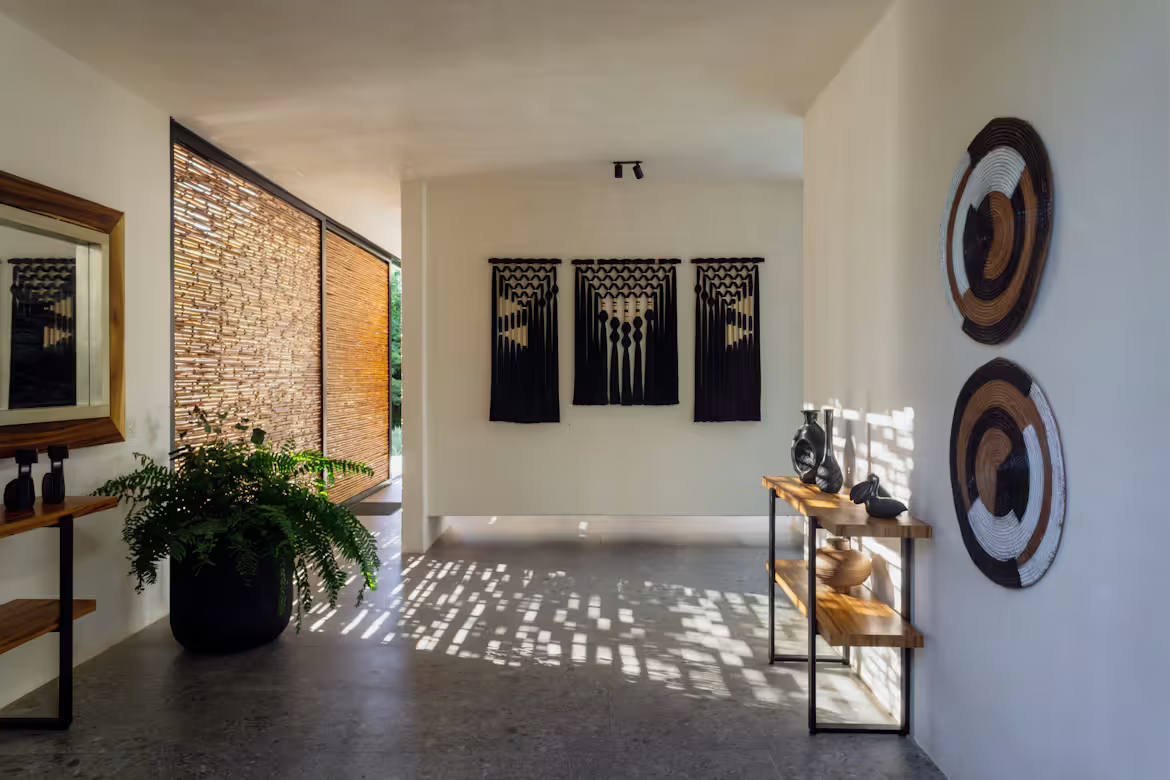
Designing Spaces That Feel Personal
The most memorable interiors rarely feel as though they were completed in a single weekend. Instead, they evolve gradually through meaningful additions that reflect the people who live there. Natural materials provide the perfect foundation for this process because they complement a wide variety of styles without losing their own identity.
A handcrafted wooden bench may eventually sit beneath a collection of framed artwork gathered over years of travel. A linen sofa becomes more inviting as it is layered with textured cushions and woven throws that change with the seasons. Stone surfaces pair effortlessly with ceramics, books, greenery, and decorative objects, allowing each item to contribute to the overall character of the room.
Rather than filling every available surface, thoughtful interiors embrace restraint. Empty space allows natural materials to stand out, while carefully selected furniture and accessories create balance without visual clutter. This approach encourages homes that feel calm, intentional, and genuinely lived in.
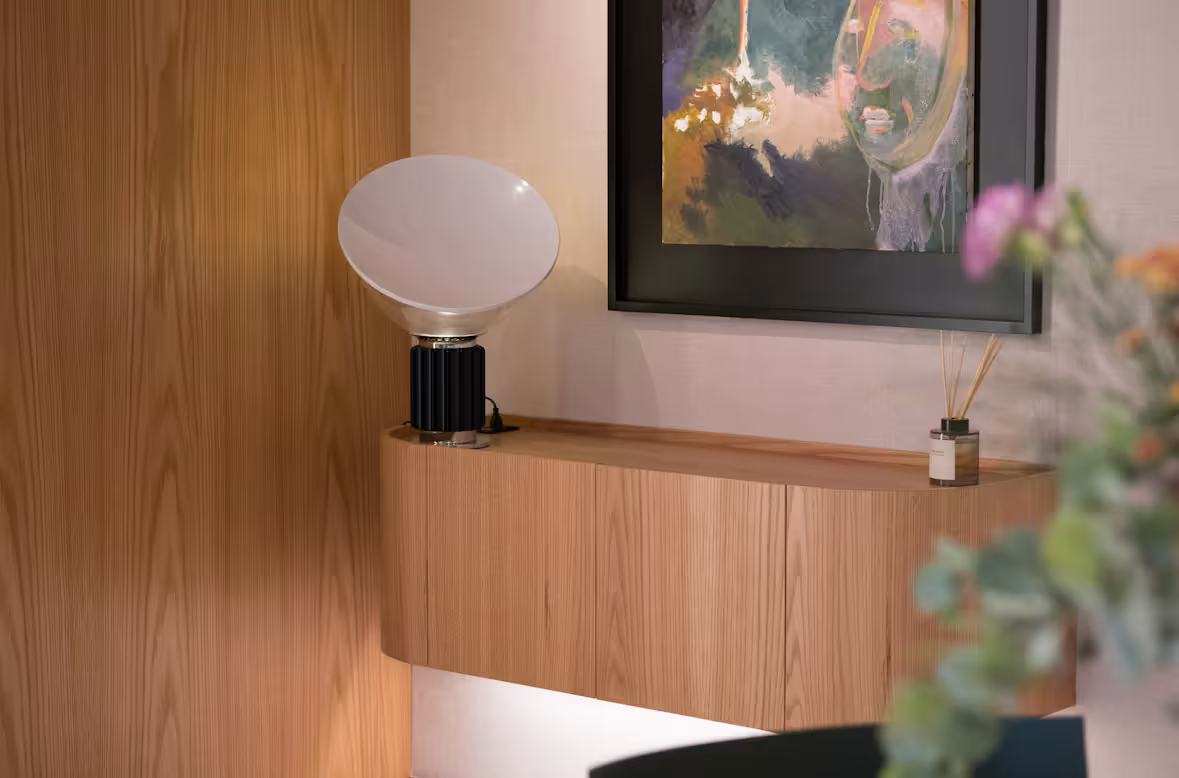
Why Natural Materials Never Go Out of Style
Design trends will always introduce new colours, finishes, and decorative ideas, but natural materials continue to remain relevant because they connect interiors to something timeless. Wood, stone, clay, wool, and linen have been used in homes for centuries, adapting effortlessly to changing architectural styles while maintaining their inherent beauty.
Their appeal lies in authenticity. Every timber grain is unique. Every slab of natural stone carries subtle variations. Handcrafted ceramics display gentle imperfections that remind us of the maker's touch. These characteristics create interiors that feel genuine rather than manufactured.
Natural materials also age gracefully. Instead of appearing worn, they develop character through everyday use. A wooden dining table becomes richer with time, leather upholstery softens beautifully, and brass hardware develops a warm patina that enhances rather than diminishes its appearance.
For homeowners seeking longevity, this makes natural materials one of the most rewarding investments in interior design. Rather than chasing short-lived trends, they provide a lasting foundation that continues to feel elegant year after year.
Final Thoughts
Warm interiors are created through thoughtful decisions rather than excessive decoration. By combining natural wood, stone, linen, wool, and handcrafted finishes, homeowners can create spaces that feel welcoming, balanced, and deeply personal.
Instead of designing around temporary trends, investing in authentic materials allows interiors to mature gracefully over time. Small imperfections become cherished details, surfaces develop character through everyday life, and each room gradually tells its own story.
Ultimately, the most enduring homes are not those filled with the newest products, but those built upon quality, craftsmanship, and materials that celebrate the beauty of nature. These choices create interiors that remain comfortable, timeless, and inspiring for generations to come.



Comments