
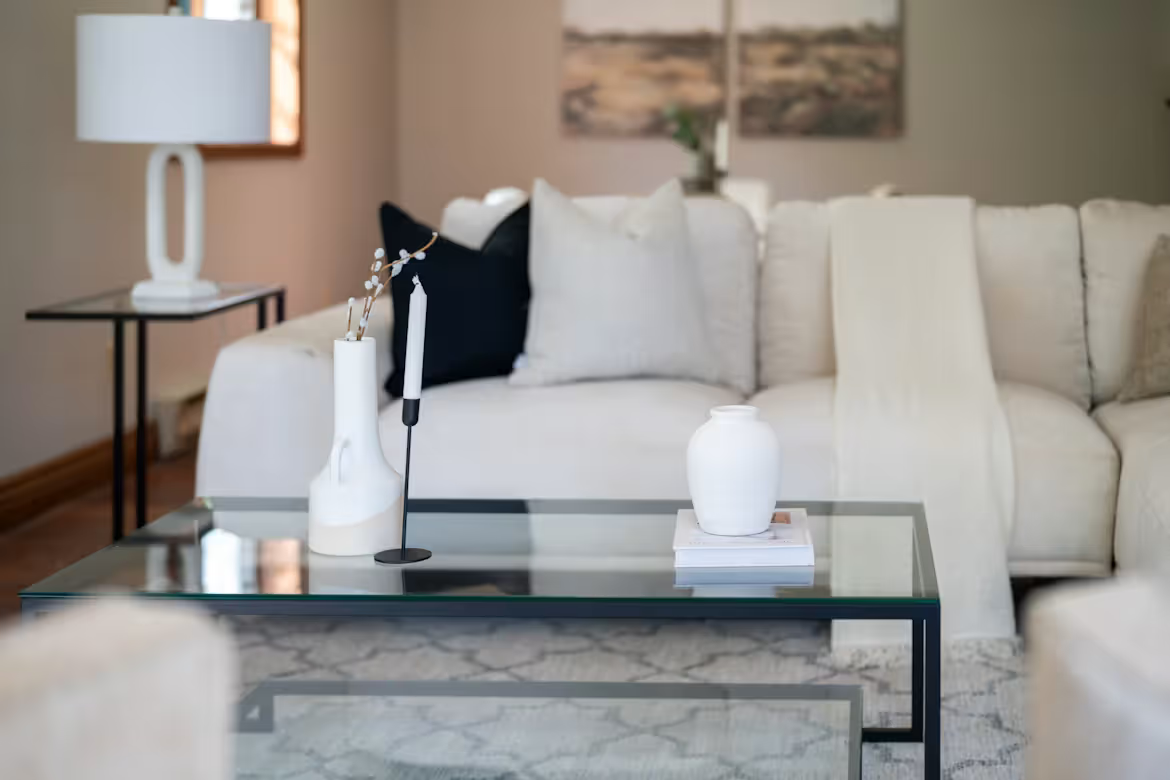
Some of the most inviting interiors are memorable not because they contain more decorative objects, but because every object has been placed with intention. Coffee tables and open shelving offer an opportunity to introduce personality into a room while reinforcing its overall design language. When thoughtfully styled, these everyday surfaces become visual focal points that tell a story without overwhelming the space.
Achieving this balance requires restraint. Rather than filling every shelf or arranging countless accessories on a tabletop, designers focus on composition, proportion, and material contrast. Books, ceramics, artwork, candles, and natural greenery work together to create displays that feel collected over time instead of purchased all at once.
The goal is not perfection, but harmony. Every element should contribute to the atmosphere of the room while allowing space for the architecture and furniture to remain the true foundation of the interior.
Start with a Simple Foundation
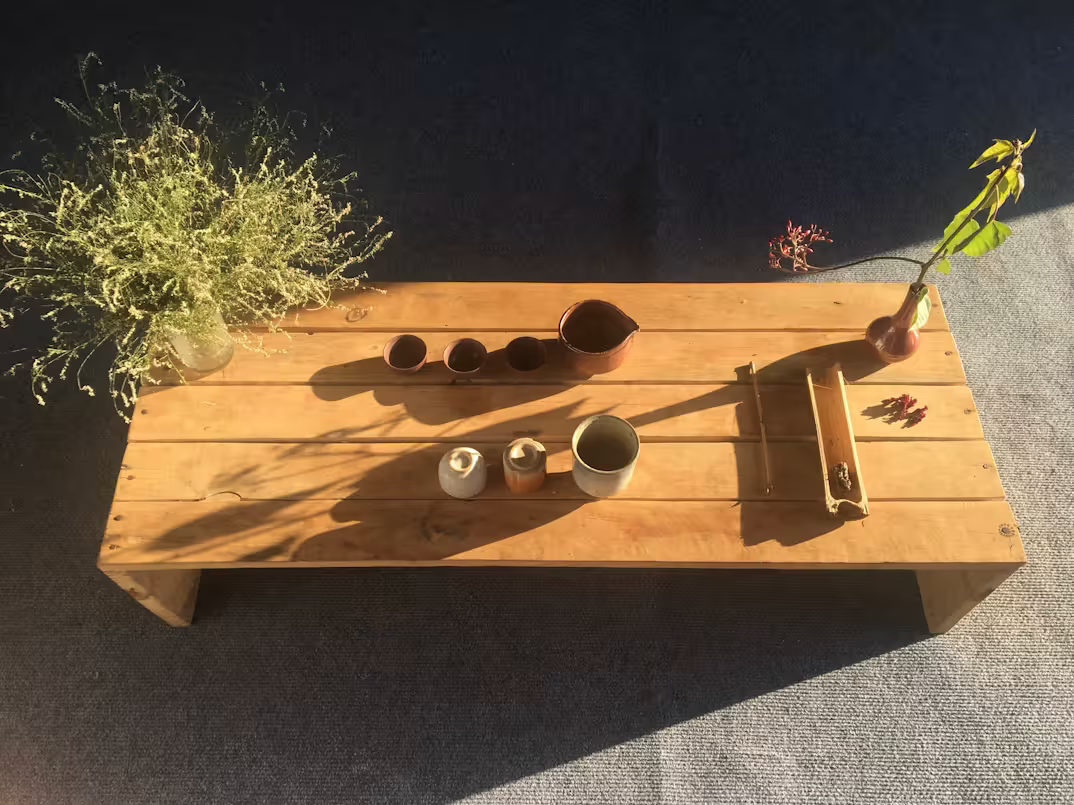
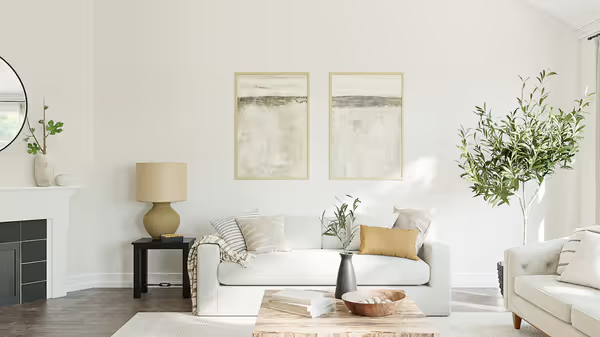
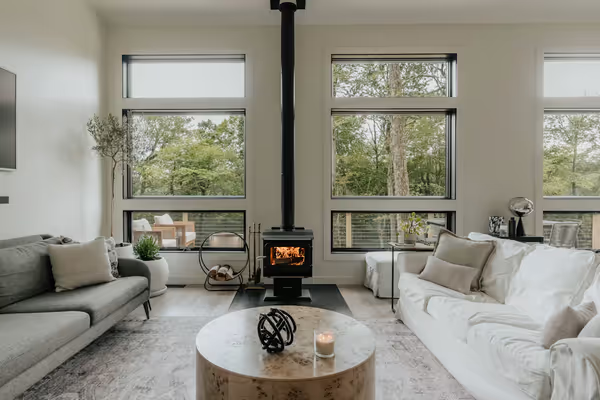
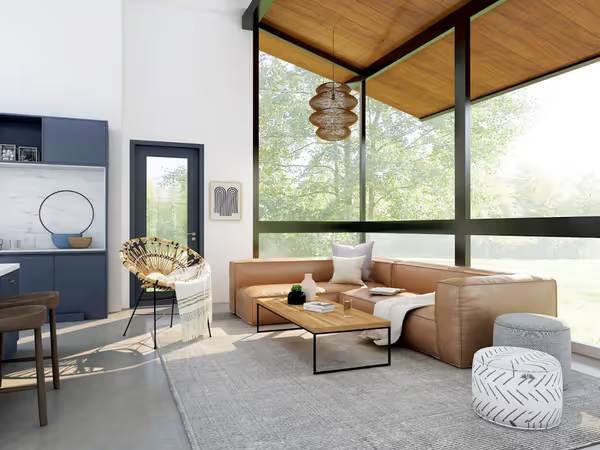
Styling becomes significantly easier when the furniture itself provides a strong foundation. A beautifully crafted timber coffee table or a well-designed shelving unit already contributes character through its proportions and materials.
Before adding decorative objects, clear unnecessary items and evaluate the available surface. Empty space should never be viewed as unfinished. In fact, leaving areas intentionally open allows every selected object to receive greater attention.
Books are often the ideal starting point. A small stack creates height while introducing colour and texture. Decorative trays help organise smaller objects, creating a sense of order without making the arrangement feel rigid.
Building gradually allows each addition to feel purposeful rather than excessive.
Create Balance Through Height and Texture
Successful styling depends on contrast. Combining objects of different heights, materials, and shapes creates visual rhythm that feels natural to the eye.
A ceramic vase paired with a stack of design books introduces vertical balance. A small candle placed beside a sculptural object adds warmth and softness. Woven baskets, natural stone accessories, and handcrafted bowls further enrich the composition through texture rather than colour alone.
Repeating similar materials found elsewhere in the room strengthens the overall design. Timber shelving can echo wooden flooring, while linen-bound books and ceramic vessels complement upholstered furniture nearby.
These subtle connections help displays feel integrated rather than separate from the surrounding interior.
Style Shelves Like Curated Galleries
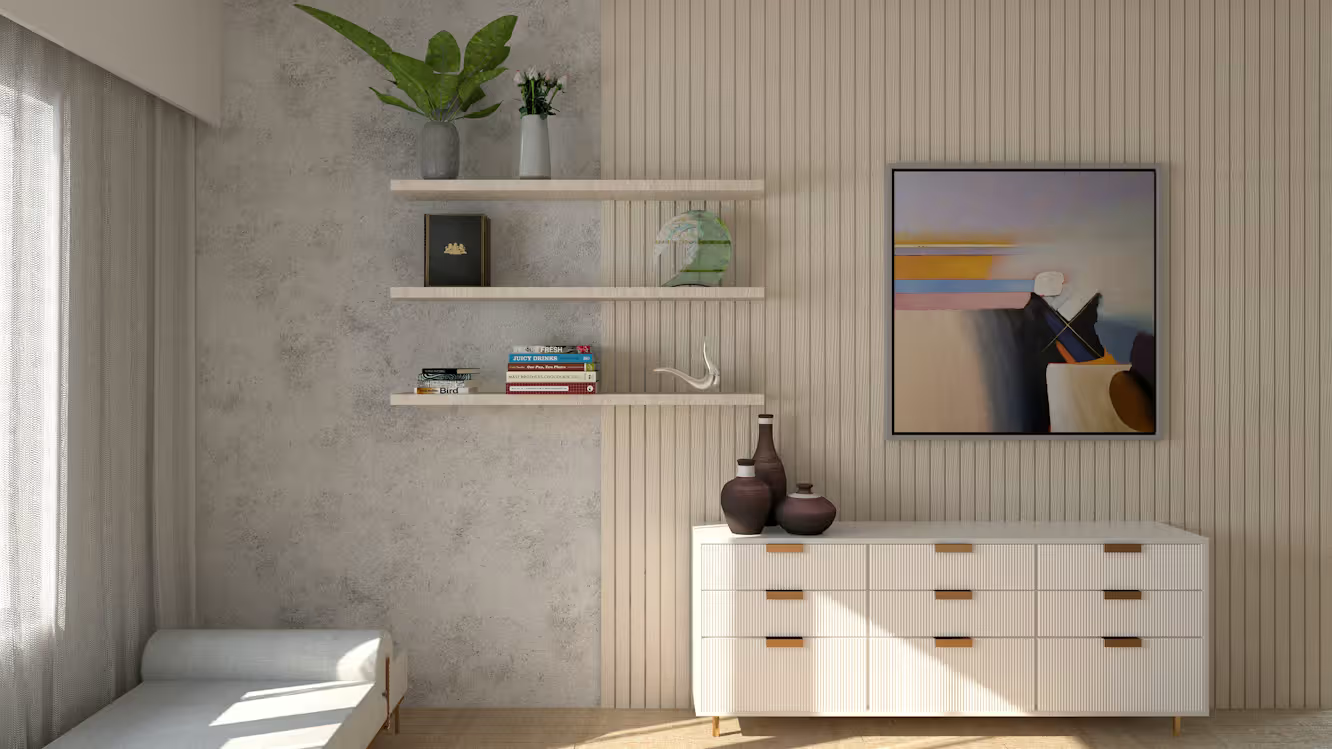
Open shelving should display objects that deserve to be seen rather than simply storing everything that doesn't fit elsewhere.
Instead of arranging items in perfectly symmetrical rows, designers often create groups with varying heights and negative space. Books can stand vertically beside framed artwork, while smaller ceramics and sculptures fill the gaps between larger pieces.
Greenery softens harder materials and introduces movement to otherwise static displays. Small trailing plants or sculptural branches add life without dominating the composition.
Rotating decorative objects seasonally also keeps shelves feeling fresh while preserving a carefully edited appearance.
Let Personal Collections Tell a Story
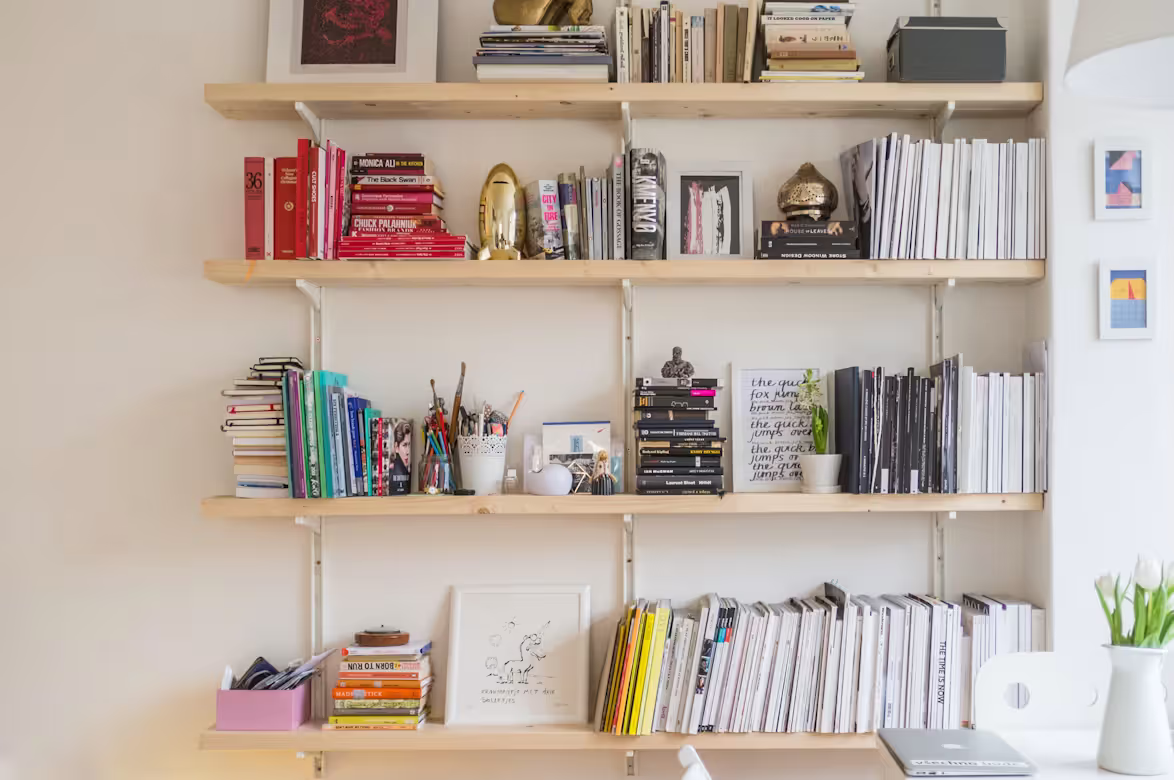
The most memorable interiors reflect the people who live within them. Coffee tables and shelving provide the perfect place to showcase meaningful collections gathered over time.
Travel photography, handcrafted pottery, vintage objects, favourite architecture books, or framed sketches all contribute personality while avoiding a generic showroom appearance.
Displaying these pieces thoughtfully encourages conversation and gives visitors insight into the homeowner's interests. Rather than purchasing accessories simply to fill empty spaces, choosing items with personal significance creates interiors that feel authentic and lived in.
Thoughtful curation always has greater impact than excessive decoration.
Refresh Styling Without Redesigning
One of the greatest advantages of decorative styling is its flexibility. Small seasonal updates can transform a room without replacing furniture or altering the architecture.
Fresh flowers during spring, woven baskets throughout summer, candles during autumn, and textured throws in winter subtly change the atmosphere while maintaining the same overall design language.
Rearranging books, rotating artwork, or introducing a new ceramic piece can refresh an interior in just a few minutes. Because the underlying furniture and materials remain timeless, these small adjustments are often all that is needed to keep a space feeling current.
This slower approach encourages thoughtful collecting rather than constant consumption.
Final Thoughts
Styling coffee tables and open shelving is less about decoration and more about storytelling. Through carefully selected books, handcrafted objects, natural materials, and meaningful collections, everyday surfaces become an extension of the home's personality.
The most successful displays embrace balance, texture, and restraint, allowing every object to contribute without overwhelming the room. As collections evolve over time, they create interiors that feel authentic, timeless, and deeply personal.
Beautiful styling isn't achieved by adding more—it comes from choosing better and displaying it with intention.


Comments