
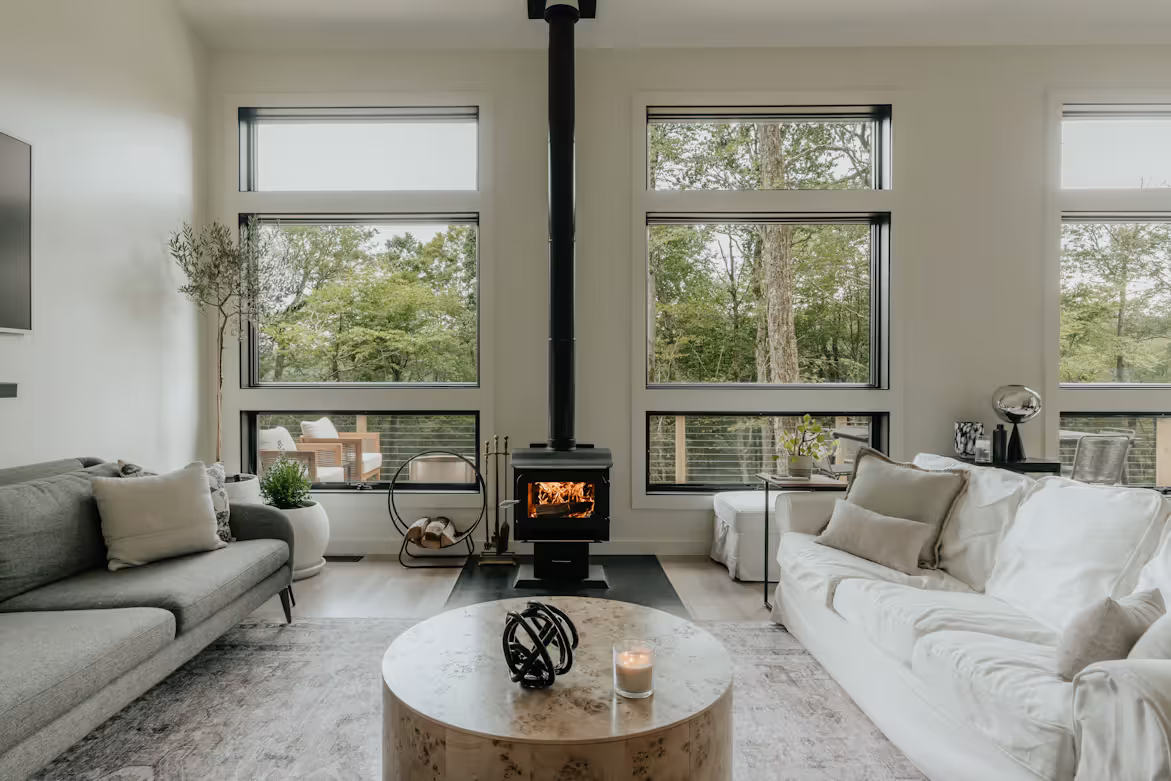
For decades, Scandinavian interiors have influenced homes far beyond Denmark, Sweden, Norway, and Finland. Their appeal lies not in following seasonal trends but in creating spaces that remain functional, comfortable, and visually calm year after year.
Rather than relying on decorative excess, Scandinavian design embraces thoughtful simplicity. Every material, piece of furniture, and architectural detail serves a purpose while contributing to a harmonious living environment.
Its lasting popularity proves that good design is rarely about having more—it is about choosing better.
Simplicity Creates Lasting Beauty
Scandinavian interiors are often described as minimalist, but they are never cold or empty.
The focus is on removing visual clutter while keeping spaces warm and welcoming. Furniture features clean lines, carefully balanced proportions, and honest materials that celebrate craftsmanship instead of decoration.
Rooms are intentionally designed to feel open, allowing natural light and thoughtful layouts to become defining elements of the interior.
This restrained approach creates homes that remain timeless even as trends change.
Natural Materials Bring Warmth
Wood is perhaps the most recognizable material in Scandinavian interiors.
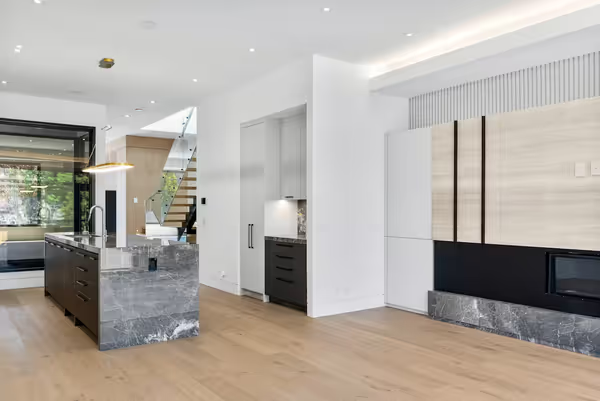
Oak, ash, pine, and birch introduce warmth through flooring, furniture, cabinetry, and architectural details.
These materials are often paired with stone, linen, wool, leather, and handcrafted ceramics to create subtle layers of texture.
Rather than polished luxury, the emphasis is on authenticity and quality.
As these materials age, they develop character that enhances the overall atmosphere of a home.
Designing Around Daylight
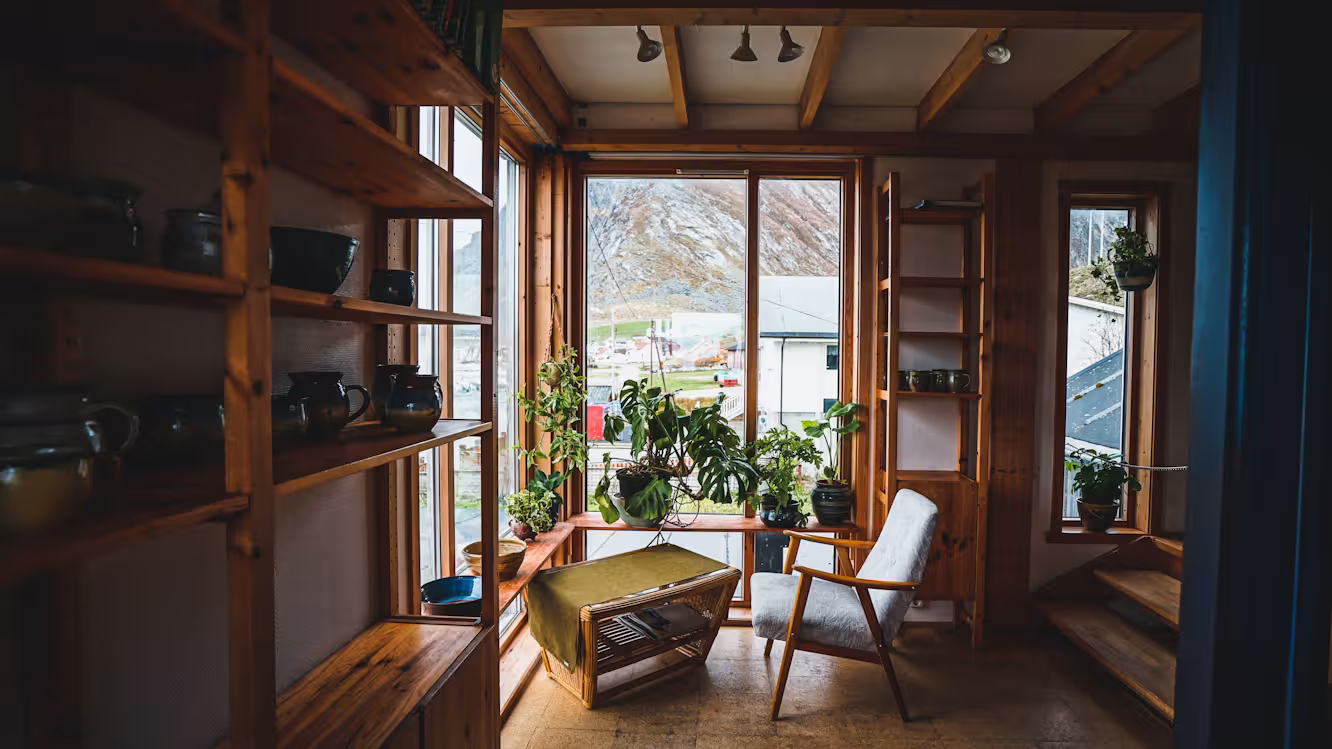
Northern Europe experiences long winters and limited daylight, making natural light one of the most valuable elements of Scandinavian design.
Large windows, light-colored walls, and open layouts help maximize available daylight throughout the home.
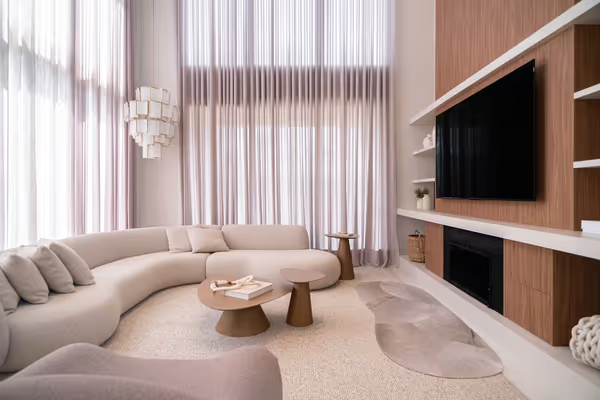
Curtains are often kept light and airy, allowing sunlight to filter naturally into living spaces.
Mirrors, pale wood finishes, and neutral color palettes further enhance brightness while creating interiors that feel calm and spacious.
Function Before Decoration
One of the defining principles of Scandinavian design is that every object should have a purpose.
Storage is integrated into furniture, shelving remains uncluttered, and layouts prioritize everyday living rather than visual display.
This philosophy encourages homeowners to invest in fewer, higher-quality pieces instead of filling rooms with unnecessary decoration.
The result is an environment that feels organized, practical, and relaxing.
A Neutral Color Palette
White, soft gray, warm beige, muted greens, and earthy tones dominate Scandinavian interiors.
These colors reflect natural light while providing a quiet backdrop for furniture, artwork, and architectural details.
Small accents of black or charcoal are often introduced to create contrast without overwhelming the space.
Seasonal textiles and greenery bring subtle changes throughout the year while maintaining the home's overall simplicity.
Comfort Is Essential
Scandinavian homes are designed to feel lived in.
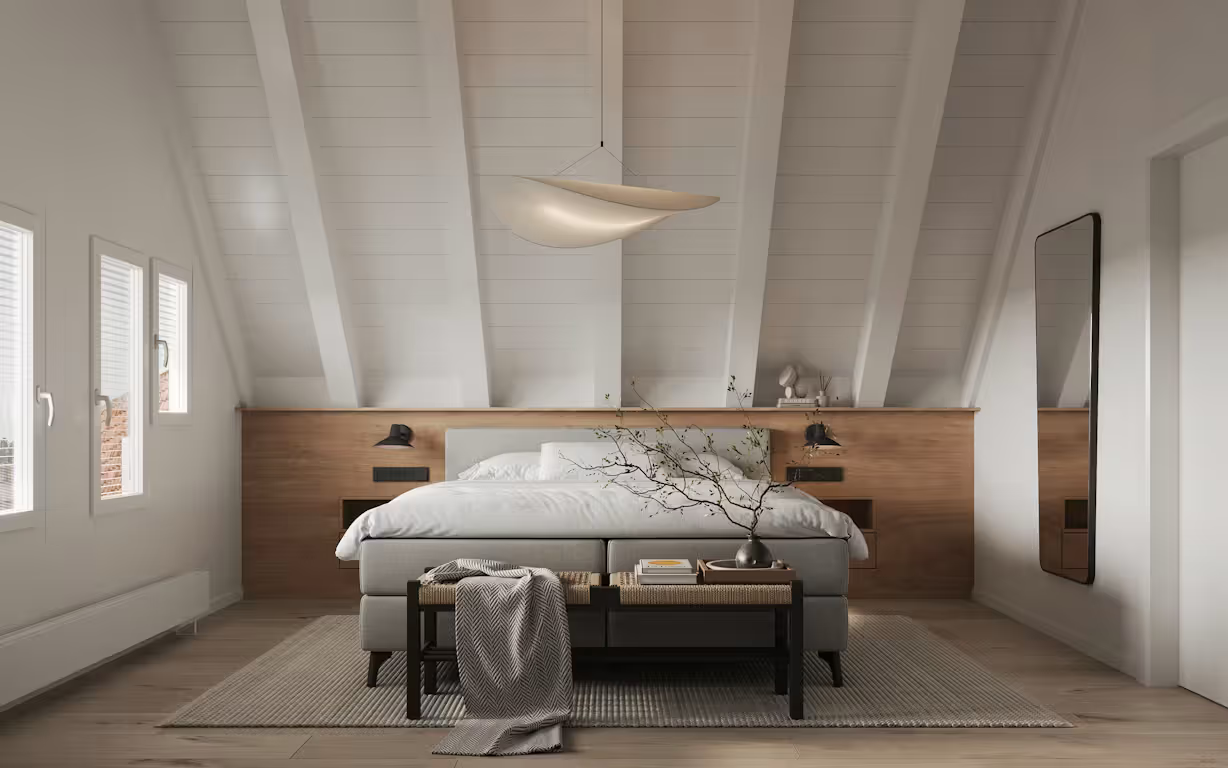
Soft textiles, comfortable seating, layered lighting, and natural textures create interiors that encourage relaxation.
This balance between simplicity and comfort reflects the Nordic concept of creating environments that support wellbeing throughout every season.
Rather than impressing visitors, these homes prioritize everyday quality of life.
Final Thoughts
Scandinavian design continues to inspire homeowners because it focuses on principles rather than passing trends.
Its thoughtful use of natural materials, balanced proportions, functional layouts, and timeless craftsmanship creates interiors that remain relevant for generations.
Whether renovating a single room or designing an entire home, these ideas offer valuable guidance for creating spaces that are beautiful, practical, and enduring.



Comments