
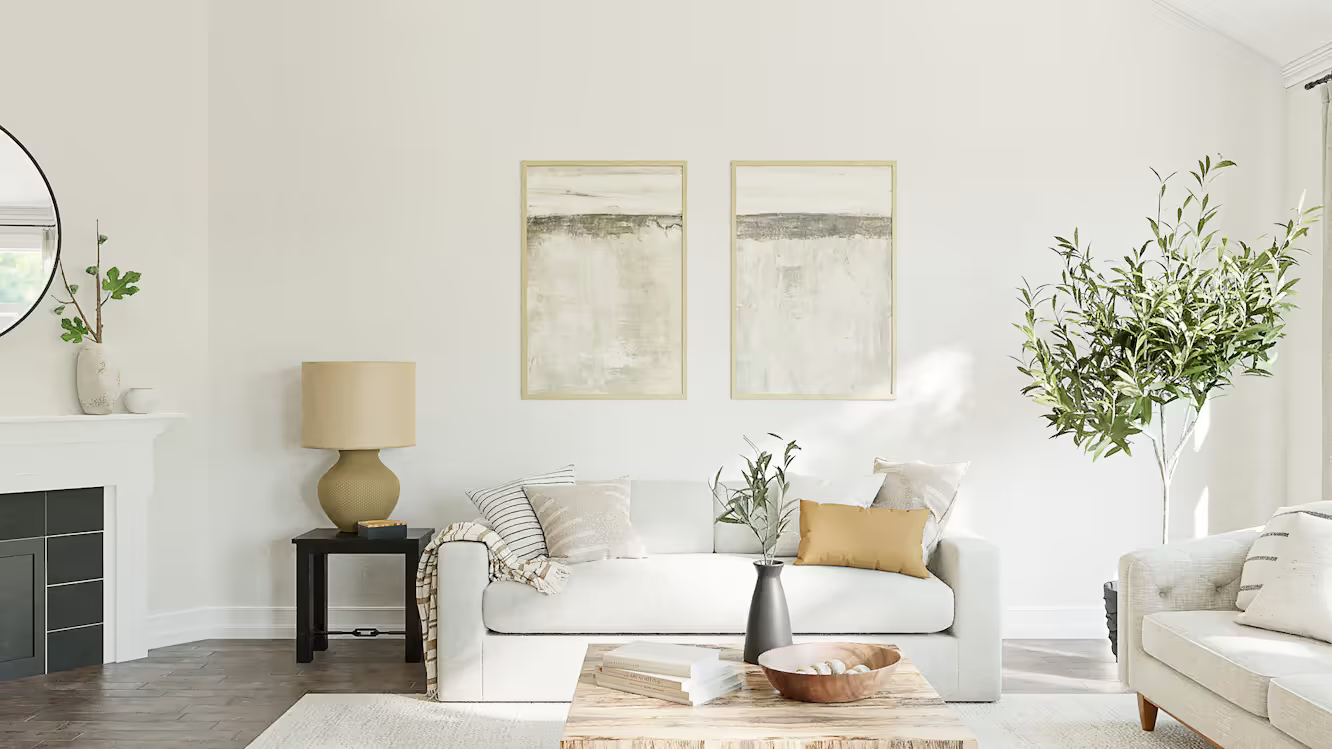
Natural light is often described as the most valuable material in architecture, yet unlike stone, timber, or concrete, it cannot be touched or purchased. It changes throughout the day, transforms every surface it reaches, and influences how we experience a home in ways that often go unnoticed.
Long before furniture is selected or color palettes are considered, designers study how daylight moves through a building. A well-lit room feels welcoming, spacious, and calm, while a poorly lit interior can appear confined regardless of its size or decoration.
Across some of the world's most admired homes, natural light has become one of the defining principles of exceptional interior design. Rather than relying on decorative excess, designers use daylight to create atmosphere, reveal textures, and establish a deeper relationship between architecture and daily life.
Understanding how light interacts with a space is one of the most valuable lessons for homeowners, architects, and interior designers alike.
Designing With the Sun, Not Around It
Successful interiors begin long before construction starts.
Architects carefully analyze the orientation of a site, considering where the sun rises and sets throughout the year. These observations influence everything from window placement and ceiling heights to room layouts and outdoor living areas.
Living spaces are often positioned to benefit from generous daylight, while bedrooms may be oriented to receive softer morning light. Workspaces, reading corners, and kitchens are increasingly designed to maximize natural illumination, reducing the need for artificial lighting during the day.
This thoughtful planning not only improves comfort but also creates homes that respond naturally to seasonal changes.
Instead of fighting the environment, contemporary architecture embraces it.
The Emotional Impact of Daylight
Natural light affects far more than appearance.
Research has consistently shown that well-lit environments contribute to comfort, productivity, and overall wellbeing. Interiors filled with daylight often feel calmer and more inviting, encouraging people to spend time within them.
Designers frequently describe light as the element that gives a room its personality.
Morning light introduces warmth and freshness. Afternoon sunlight highlights textures and architectural details. Evening light creates softer, more intimate spaces that transition naturally into carefully planned artificial lighting.
These subtle changes bring interiors to life, making them feel dynamic rather than static.
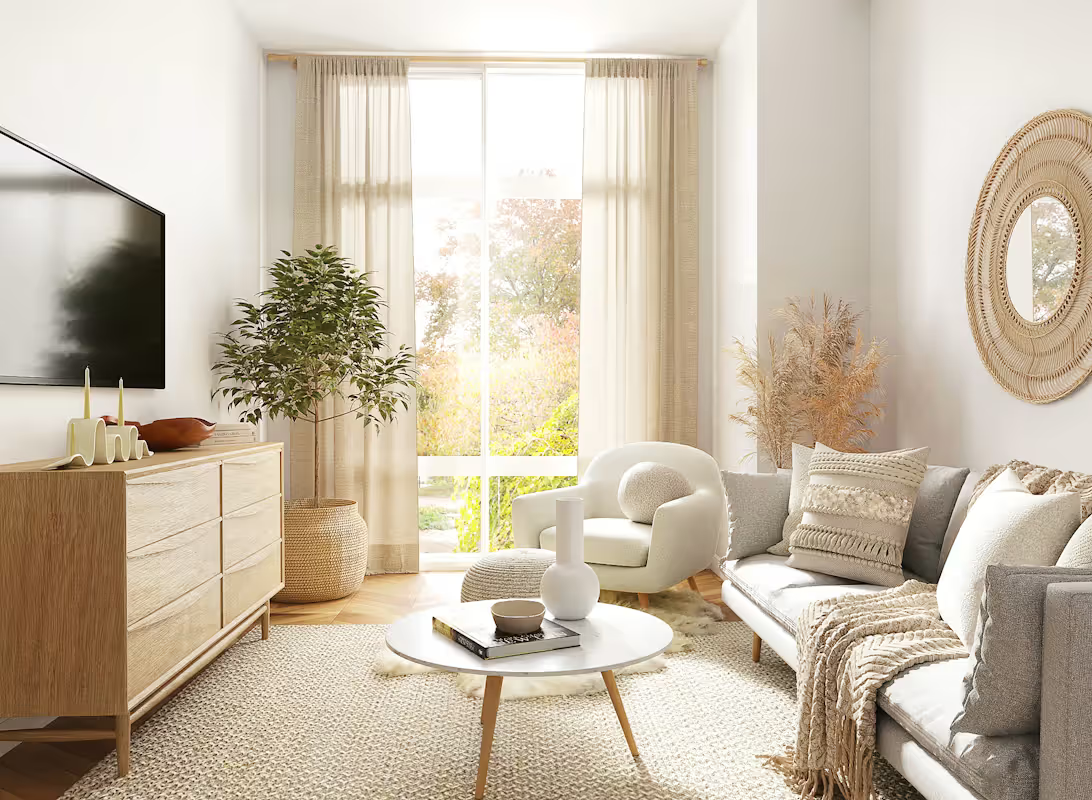
Windows That Frame More Than Views
Modern windows serve multiple purposes beyond providing outdoor views.
Large glazed openings create visual continuity between interior and exterior spaces while allowing changing weather, seasonal colors, and surrounding landscapes to become part of everyday living.
Floor-to-ceiling windows remain popular because they invite abundant daylight without interrupting the simplicity of contemporary architecture.
Corner glazing, clerestory windows, skylights, and internal courtyards provide additional opportunities to distribute natural light throughout a home.
When carefully positioned, these openings reduce shadows and create a balanced visual experience across every room.
Rather than dominating the architecture, windows become carefully composed frames that celebrate the landscape beyond.
Choosing Materials That Work With Light
The relationship between light and materials defines much of an interior's character.
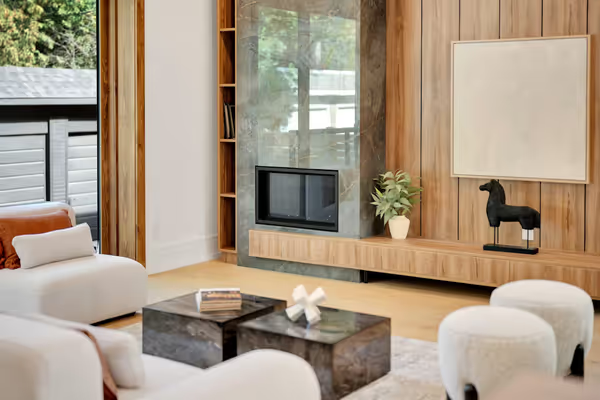
Natural oak flooring reflects warmth.
Limestone introduces softness.
Polished concrete responds differently throughout the day, revealing subtle variations in texture.
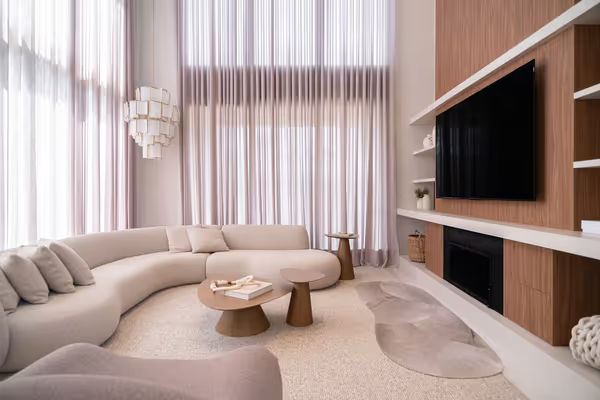
Linen fabrics gently diffuse sunlight, while matte finishes prevent unwanted glare.
Even wall colors influence how daylight behaves.
Neutral tones help distribute light evenly, creating interiors that appear brighter without relying on excessive decoration.
This restrained approach allows architecture itself to remain the primary focus.
Creating Flow Through Open Layouts
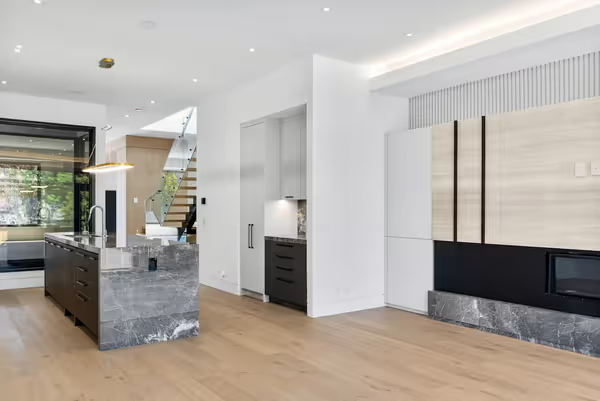
Natural light becomes even more effective when paired with thoughtful spatial planning. Rather than dividing homes into a series of enclosed rooms, contemporary interiors often embrace open layouts that allow daylight to travel freely throughout the home.
Living rooms, kitchens, and dining areas increasingly share connected spaces where sunlight can move uninterrupted from one end of the home to the other. This approach not only improves brightness but also creates stronger visual relationships between different functions within the home.
Interior designers often use furniture, rugs, shelving, and changes in ceiling height to define zones without constructing additional walls. As a result, spaces feel larger, more flexible, and better suited to modern lifestyles.
Open layouts also encourage interaction among family members while maintaining clear sightlines that strengthen the connection between architecture and landscape.
Balancing Natural and Artificial Light
Even the brightest home eventually transitions into evening.
For this reason, exceptional interior design treats artificial lighting as a continuation of natural daylight rather than a replacement.
Layered lighting creates flexibility throughout the day.
Ambient lighting provides overall illumination, task lighting supports activities such as cooking or reading, while accent lighting highlights artwork, architectural details, or textured materials.
Instead of relying on a single ceiling fixture, designers distribute multiple light sources throughout a room. Wall sconces, floor lamps, concealed LED strips, and pendant fixtures work together to create comfortable and visually balanced interiors.
Warm lighting temperatures are generally preferred in residential spaces because they complement natural materials and create a welcoming atmosphere after sunset.
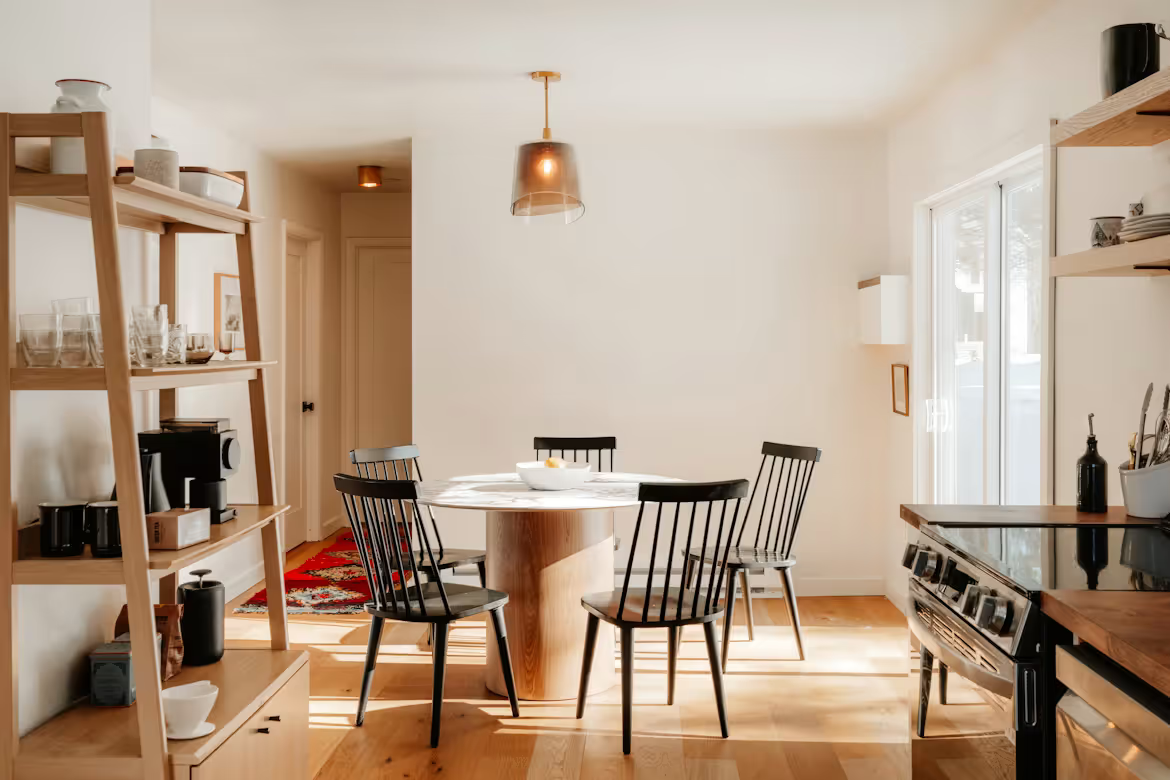
Common Mistakes That Reduce Natural Light
Creating a bright interior is not simply about installing larger windows. Several design decisions can unintentionally reduce the quality of daylight.
One common mistake is placing oversized furniture directly in front of windows, limiting the amount of light entering a room. Heavy curtains, dark wall finishes, and cluttered layouts can also absorb rather than reflect daylight.
Poorly positioned mirrors are another missed opportunity. When strategically placed opposite windows, mirrors can distribute light deeper into a room and create a greater sense of openness.
Ignoring orientation is equally problematic. West-facing rooms may experience excessive afternoon heat, while north-facing spaces often benefit from lighter finishes that maximize available daylight.
Thoughtful planning allows these challenges to become opportunities for more balanced interior design.
The Relationship Between Light and Well-Being
Beyond aesthetics, natural light contributes significantly to everyday comfort.
Bright interiors encourage productivity during the day while supporting healthier daily routines. Spaces that receive abundant daylight often feel more welcoming, helping residents feel connected to changing weather and seasonal rhythms.
Access to daylight also influences how colors appear throughout a home. Materials reveal greater depth, artwork becomes more expressive, and textures gain richness as sunlight changes throughout the day.
These subtle qualities are difficult to replicate through artificial lighting alone, making daylight one of the most valuable design tools available.
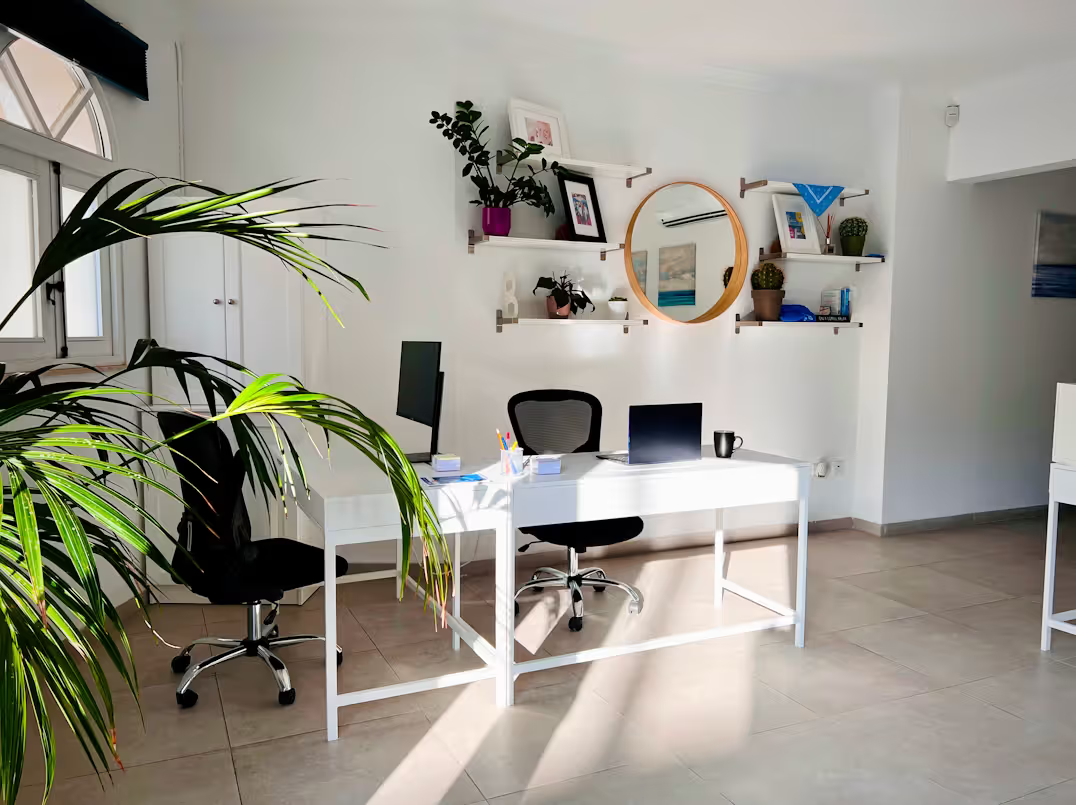
Designing Homes That Age Gracefully
Interior trends change regularly, but homes designed around natural light rarely lose their appeal.
Large windows, balanced proportions, durable materials, and flexible layouts continue to perform beautifully regardless of changing furniture styles or color trends.
This timeless quality explains why many of the world's most admired residences remain relevant decades after they were completed.
Rather than relying on fashionable details, these homes prioritize comfort, simplicity, and an enduring relationship with their surroundings.
Designing with daylight is therefore not only an aesthetic decision but also a long-term investment in how a home will continue to feel over time.
Final Thoughts
Natural light remains one of the most powerful elements in exceptional interior design.
It influences how spaces feel, how materials are experienced, and how people interact with their homes every day. From carefully positioned windows and open layouts to thoughtfully selected finishes and layered lighting, every decision contributes to creating interiors that are both functional and inspiring.
The finest homes remind us that great design is rarely about excess. Instead, it is achieved through careful observation, thoughtful planning, and a deep understanding of how people experience space.
When architecture welcomes daylight rather than competing with it, interiors become more than beautiful—they become places that genuinely improve everyday living.



Comments