
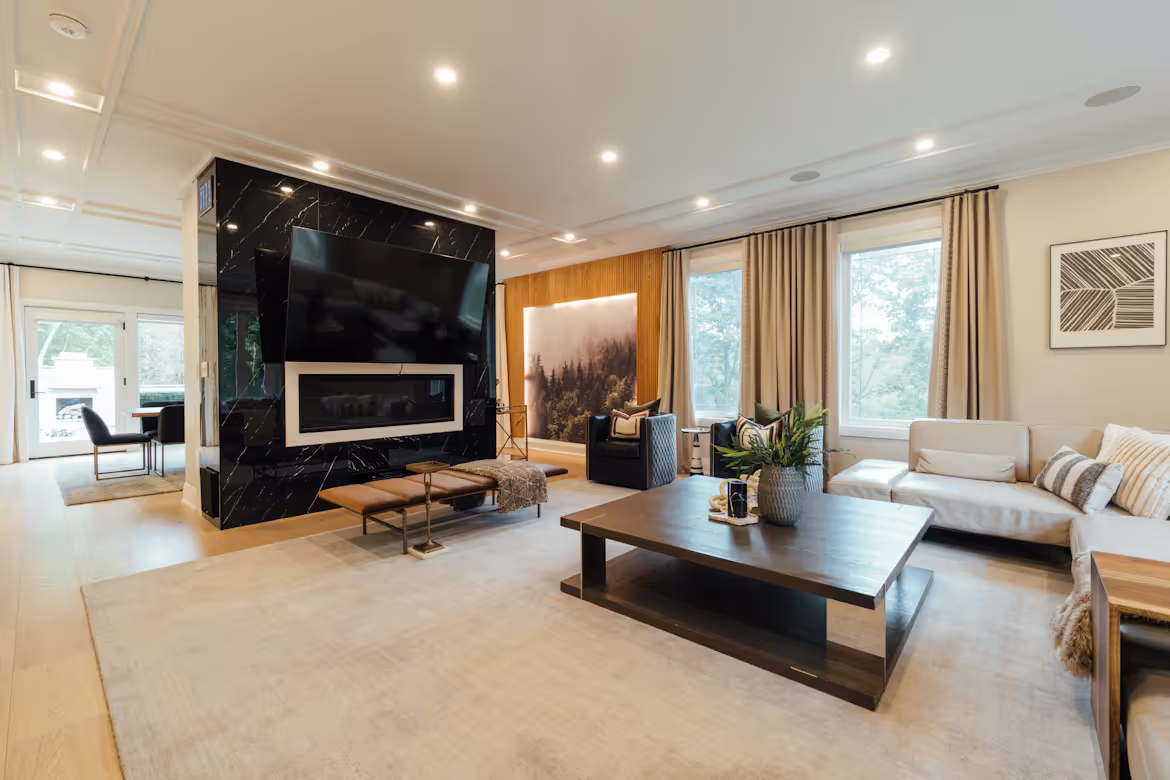
Some interiors leave a lasting impression not because of dramatic colours or expensive furniture, but because they feel rich, welcoming, and beautifully balanced. Often, that atmosphere comes from texture. It introduces warmth, depth, and visual interest while allowing a restrained colour palette to remain elegant rather than plain.
Professional designers rarely depend on a single material to define a room. Instead, they carefully combine wood, stone, woven textiles, glass, metal, and ceramics to create interiors that invite both visual appreciation and everyday comfort. Each material contributes something unique, making the overall composition feel layered rather than decorative.
Texture also changes with light. Morning sunlight highlights the grain of timber, afternoon shadows reveal the weave of linen, and evening lighting softens stone and plaster surfaces. These subtle shifts bring interiors to life throughout the day, proving that thoughtful material selection often has a greater impact than bold styling choices.
Begin with a Calm Foundation
Successful layering starts with simplicity. Before decorative accessories are introduced, the room should already feel balanced through its architecture, furniture, and material palette.
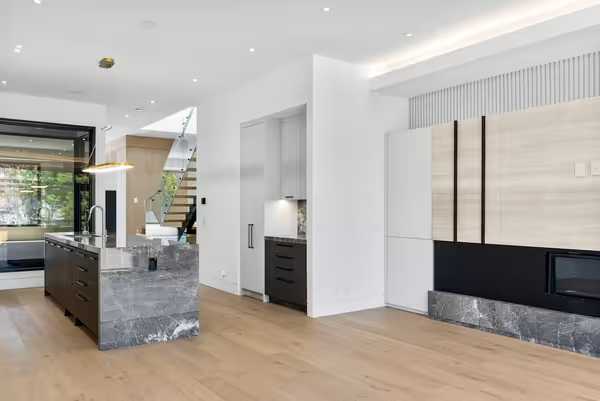
Neutral walls provide a quiet backdrop that allows natural materials to become the focal point. Oak flooring introduces warmth, while linen upholstery softens the space without adding visual clutter. A simple wool rug anchors the seating area and provides comfort underfoot.
By limiting the number of dominant colours, designers allow texture to create the visual interest. Instead of competing finishes, every material works together to establish harmony, making the room feel larger, brighter, and more cohesive.
Mixing Natural Materials with Intention
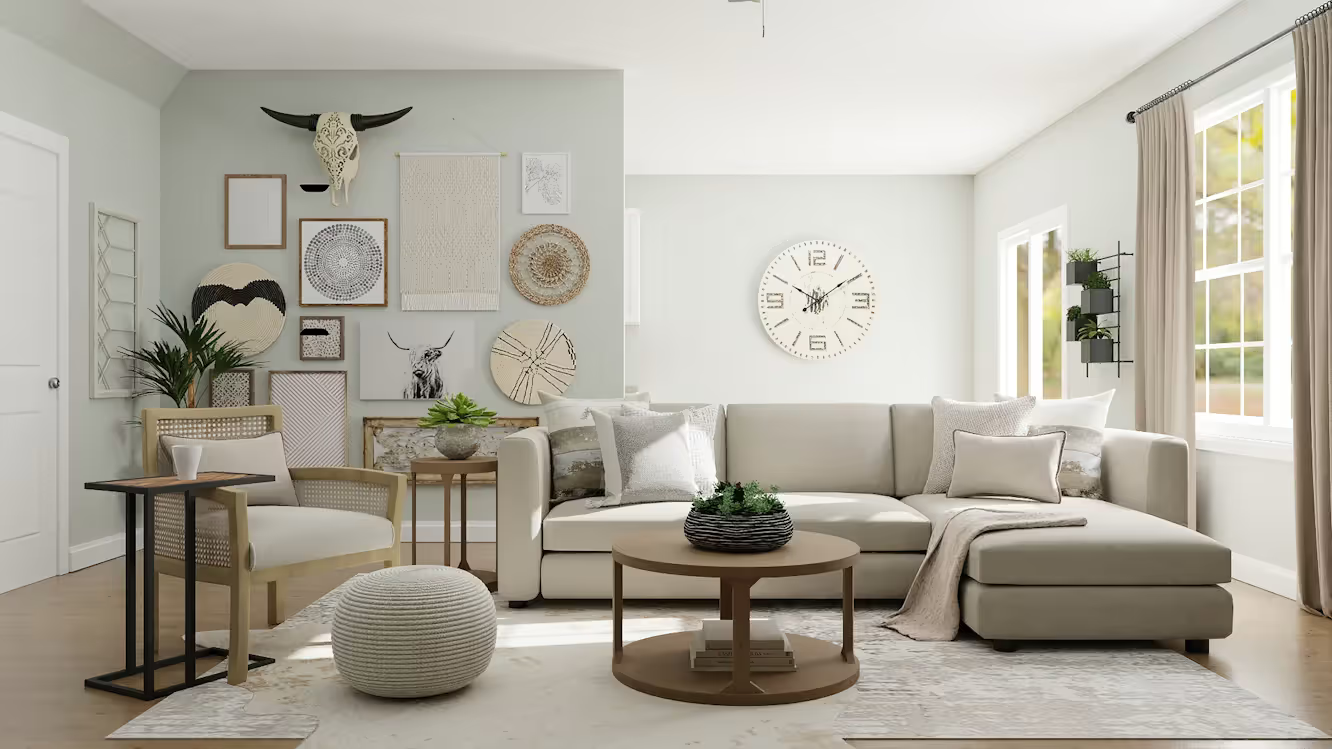
The most inviting interiors rarely rely on one material alone. Contrast is essential, but it should always feel considered rather than accidental.
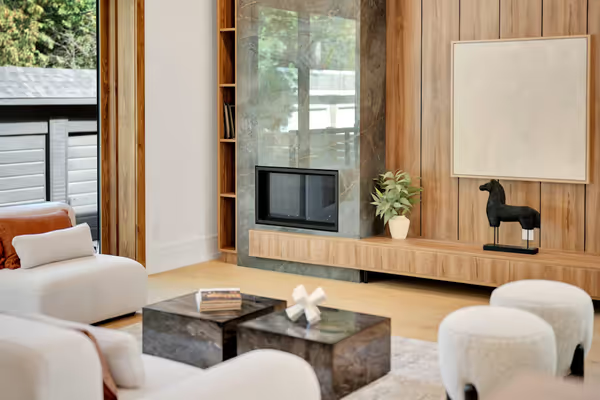
Smooth marble pairs beautifully with warm timber. Matte plaster walls complement polished brass details, while woven baskets and handcrafted ceramics soften contemporary furniture. These combinations create depth without overwhelming the room.
Plants also contribute an organic layer that connects indoor spaces with nature. Their changing forms and vibrant greenery provide gentle contrast against structured furniture and architectural lines.
Rather than introducing every available texture, choosing a few complementary materials creates interiors that feel refined and timeless.
Soft Furnishings Complete the Room
Textiles play an essential role in making interiors comfortable. Cushions, curtains, throws, and rugs absorb sound while introducing softness that balances harder surfaces like wood and stone.
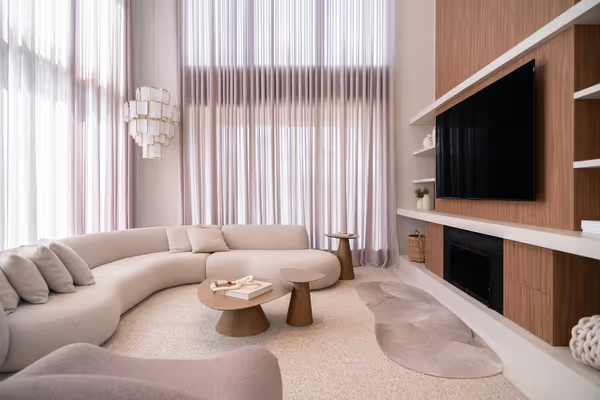
Layering different fabrics creates subtle variation. Linen curtains filter daylight beautifully, wool blankets provide seasonal warmth, and cotton upholstery remains practical for everyday living. Mixing these materials in similar tones creates depth without disrupting the overall colour palette.
Even in minimalist homes, textiles prevent interiors from feeling cold or unfinished. Their tactile quality encourages relaxation while making spaces feel genuinely lived in.
Decorative Objects Should Add Character
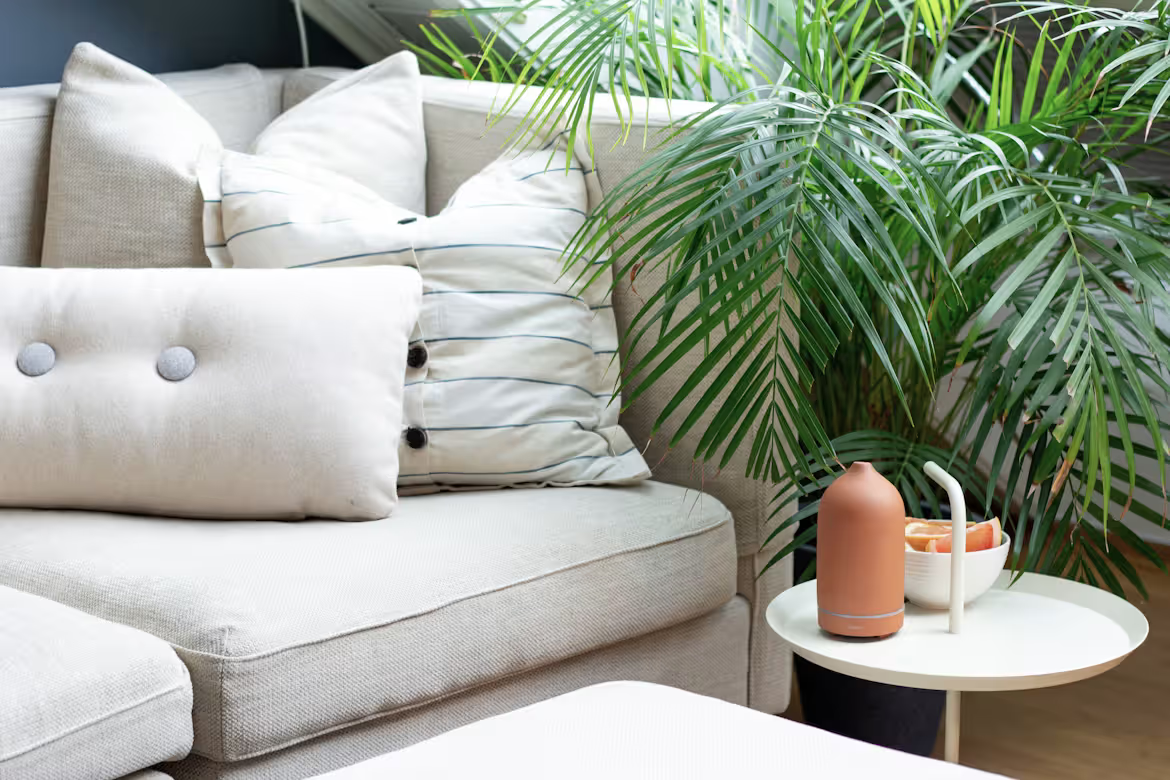
Accessories are most effective when they tell a story rather than simply filling empty shelves. A collection of handmade ceramics, carefully selected books, woven baskets, or sculptural objects can introduce personality while maintaining visual balance.
Spacing is equally important. Leaving room around decorative pieces allows each item to stand out while preventing surfaces from feeling crowded. This restrained approach creates interiors that appear thoughtfully curated rather than heavily styled.
Artworks, mirrors, and indoor plants further enhance layered spaces by introducing height, reflection, and natural movement without competing with the room's overall composition.
Light Reveals Every Texture
Texture becomes truly visible when supported by good lighting. Natural daylight reveals the grain of timber, the weave of fabric, and the subtle variations found in stone and plaster. As daylight changes throughout the day, these materials respond differently, creating an interior that constantly evolves.
During the evening, layered lighting enhances this effect. Table lamps, floor lamps, and wall sconces produce softer illumination than a single overhead fixture, highlighting textures while creating a welcoming atmosphere.
Warm lighting temperatures work especially well with natural materials, allowing wood, linen, and ceramics to appear richer and more inviting.
Final Thoughts
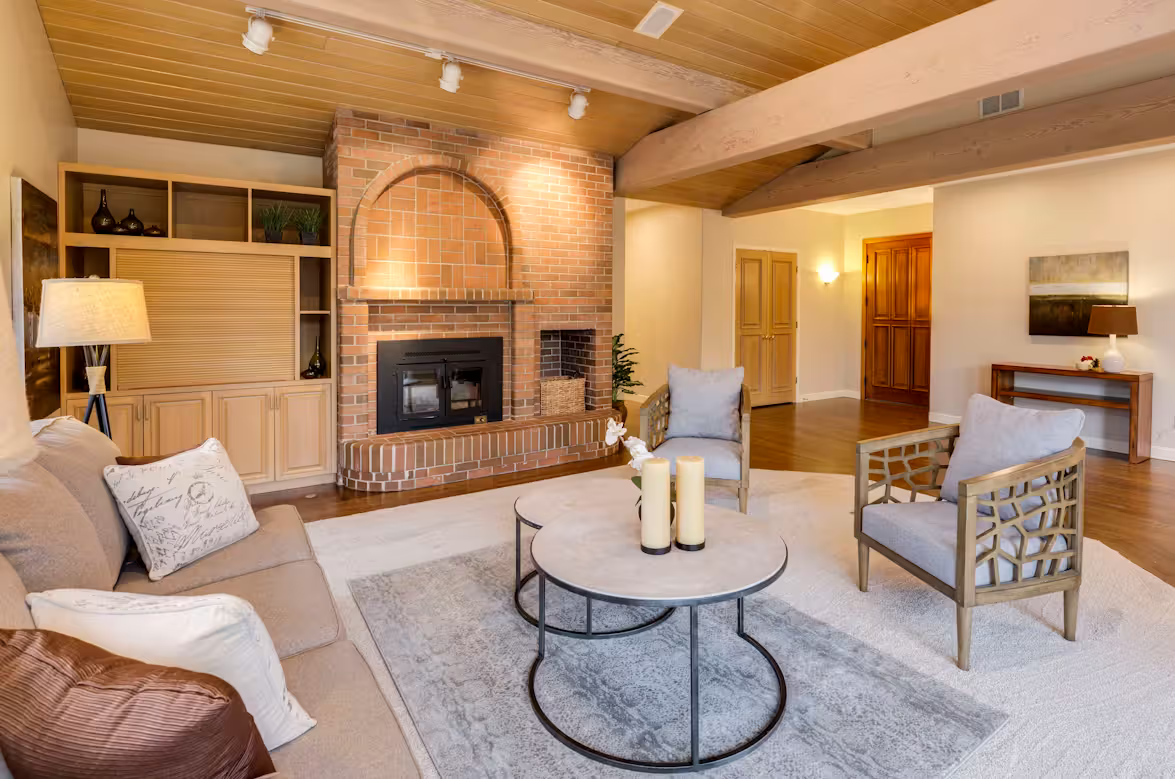
Beautiful interiors are rarely defined by colour alone. Instead, they achieve lasting appeal through carefully layered materials that bring warmth, comfort, and authenticity into everyday living.
Wood, stone, linen, wool, glass, and handcrafted objects each contribute their own unique qualities, but together they create spaces that feel balanced and timeless. By focusing on texture rather than excessive decoration, homeowners can design interiors that remain elegant through changing trends while reflecting their own personal style.
Ultimately, the most sophisticated rooms invite people to slow down, appreciate craftsmanship, and enjoy the quiet beauty found in natural materials and thoughtful design.



Comments