
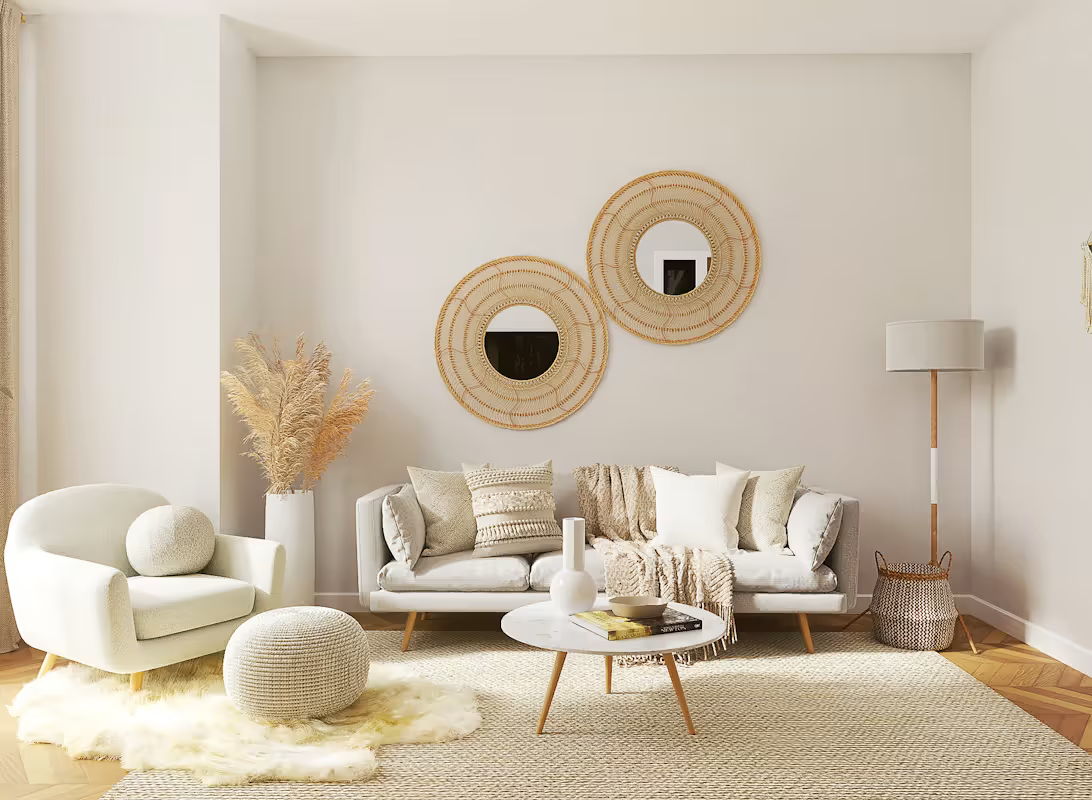
The living room has always been the heart of the home. It welcomes guests, hosts family conversations, provides a quiet place to unwind, and often serves multiple purposes throughout the day. Designing a space that feels both functional and beautiful requires more than selecting attractive furniture—it demands careful attention to comfort, proportion, and atmosphere.
While trends frequently introduce bold colors or dramatic furniture silhouettes, the most memorable living rooms are rarely built around temporary styles. Instead, they rely on timeless design principles that encourage flexibility as lifestyles evolve. Neutral foundations, quality materials, layered textures, and thoughtful lighting create spaces that continue to feel relevant year after year.
A successful living room is one that supports everyday life while expressing personality through carefully chosen details rather than overwhelming decoration.
Creating a Balanced Furniture Layout
The arrangement of furniture shapes how comfortably a room functions. Before choosing decorative accessories, it is worth considering how people naturally move through the space and where conversations are most likely to happen.
Rather than placing every piece against the walls, designers often create seating groups that encourage interaction. A sofa paired with comfortable armchairs and a well-proportioned coffee table creates a natural focal point while allowing circulation around the room.
Scale is equally important. Oversized furniture can overwhelm compact spaces, while pieces that are too small may leave larger rooms feeling incomplete. Maintaining visual balance between seating, storage, lighting, and open areas helps create an environment that feels relaxed rather than crowded.
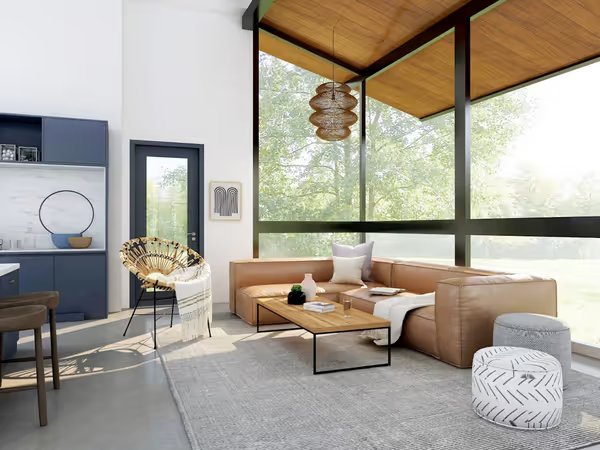
A thoughtful layout also allows natural light to move freely throughout the room, making the entire space feel brighter and more welcoming.
Layering Texture for Warmth and Comfort
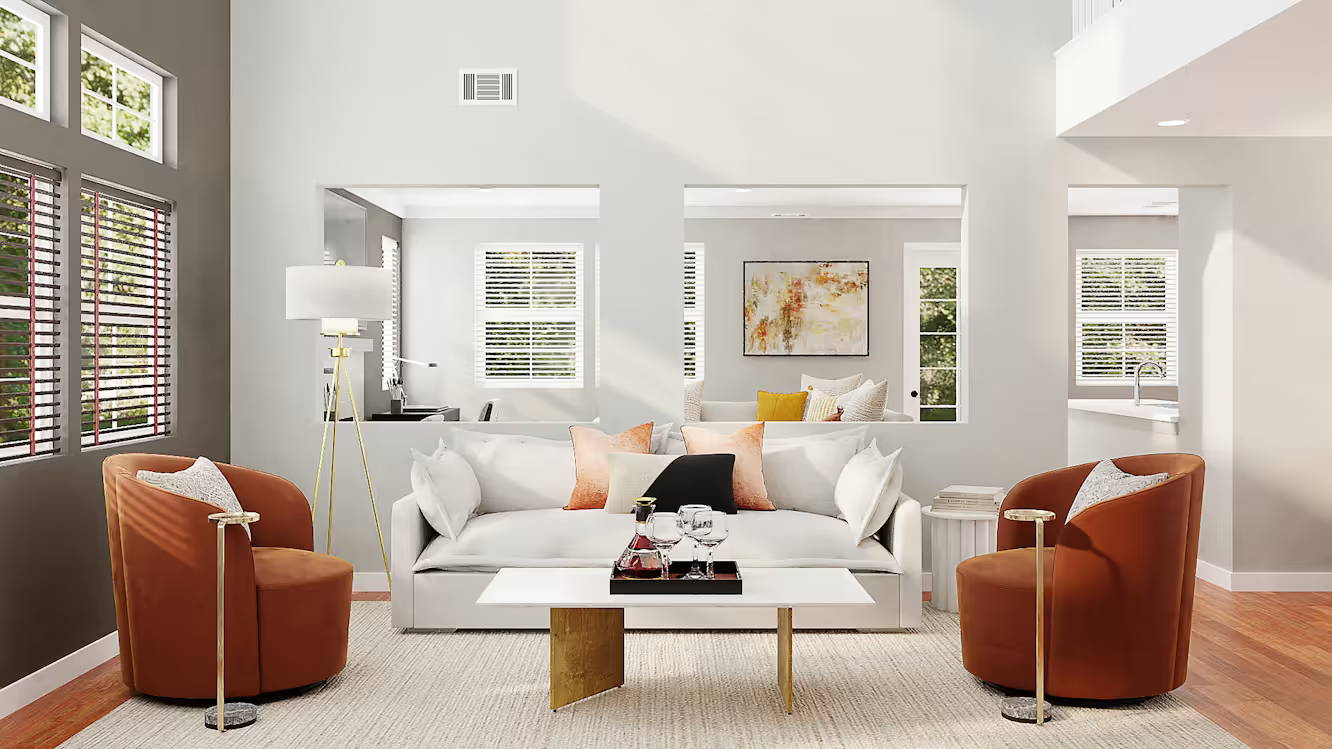
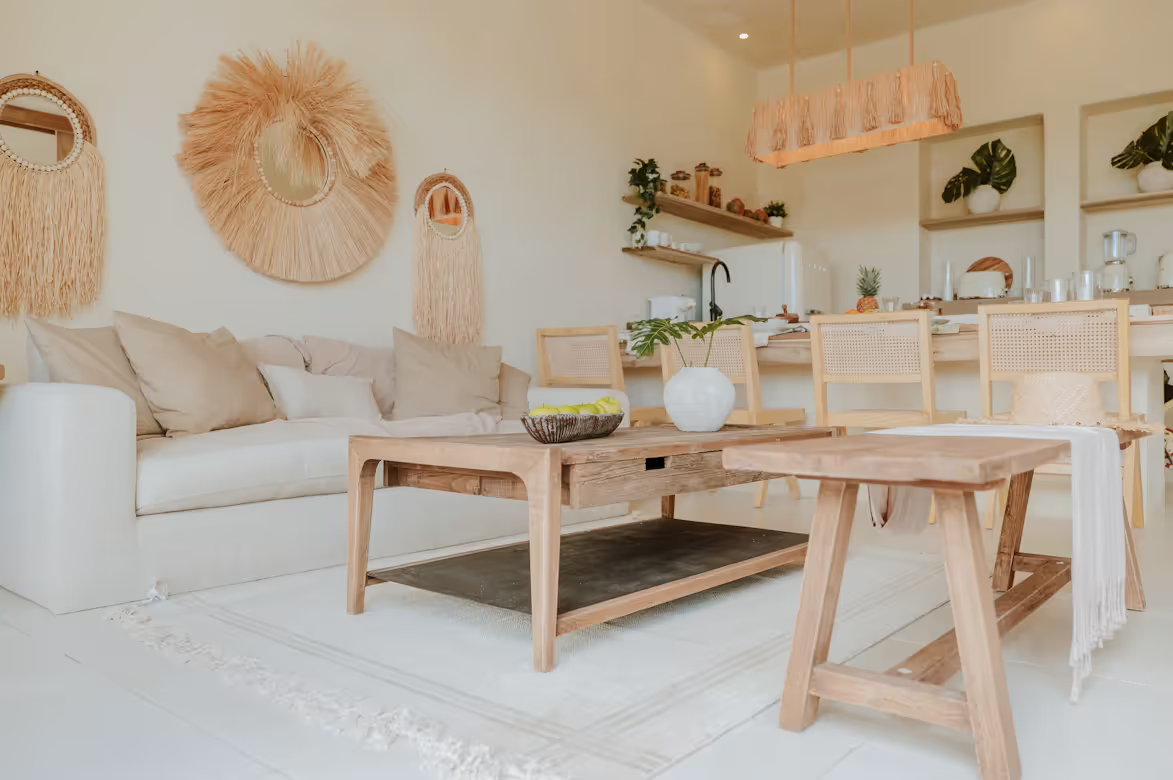
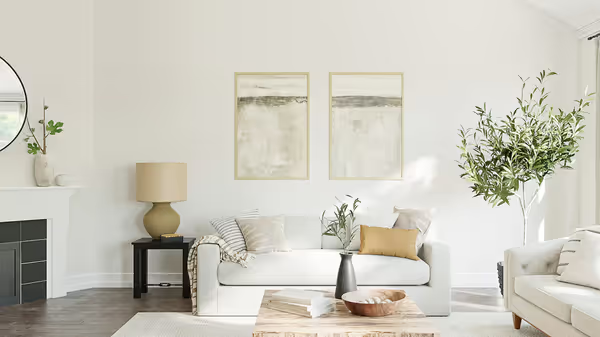
Neutral interiors often succeed because they rely on texture instead of excessive colour. Combining wood, linen, wool, cotton, and natural stone creates visual interest while maintaining a calm atmosphere.
Soft textiles make seating areas feel inviting. A woven rug defines the conversation zone, linen cushions introduce subtle variation, and knitted throws provide warmth without adding visual clutter. Wooden furniture contributes natural character, while handcrafted ceramics and greenery soften harder architectural surfaces.
Texture also responds beautifully to changing light throughout the day. Morning sunlight highlights timber grain, while evening lighting creates gentle shadows that enhance woven fabrics and natural finishes.
These layered elements give living rooms depth without depending on constantly changing trends.
Lighting That Creates Atmosphere
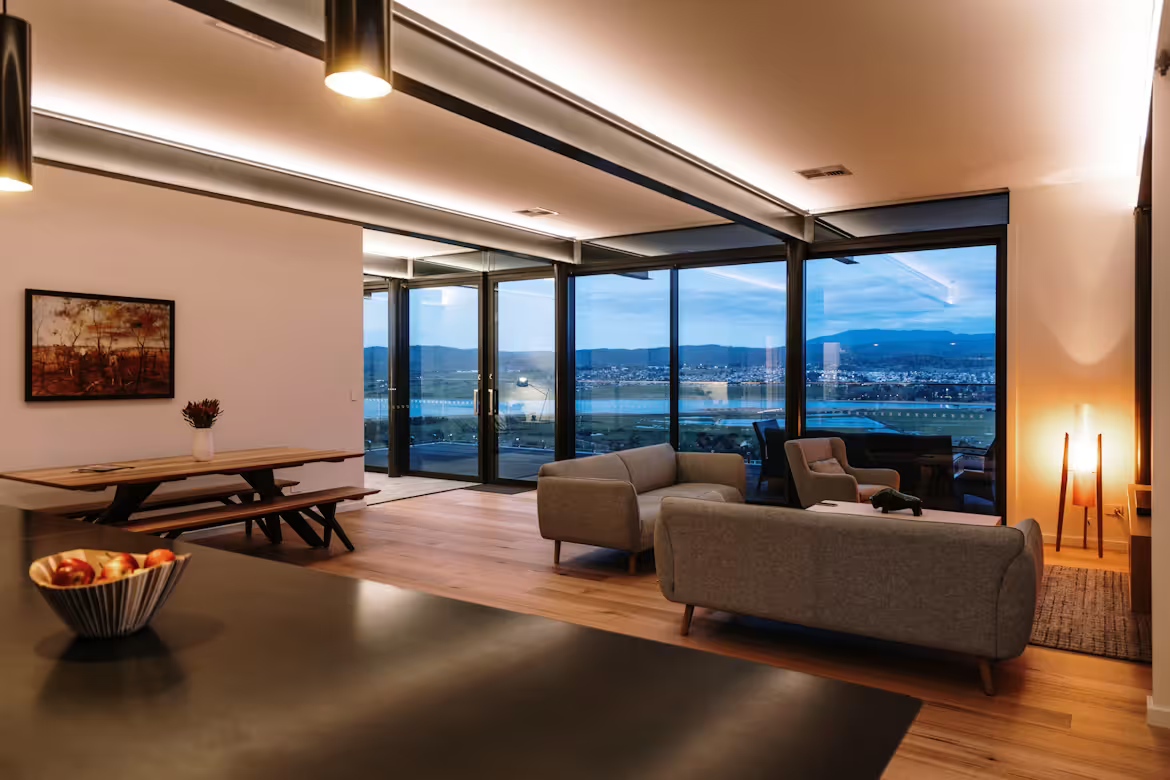
Lighting should be considered one of the most important design elements in any living room. Instead of relying solely on a central ceiling fixture, layered lighting creates flexibility for different activities and moods.
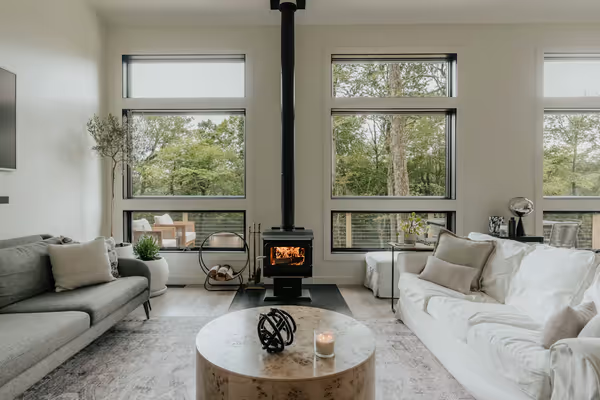
Floor lamps beside reading chairs, table lamps on sideboards, and subtle wall lighting all contribute to a softer environment during the evening. During the day, unobstructed windows allow natural light to become the room's primary feature, enhancing every material and surface.
Warm lighting temperatures complement wood and natural textiles particularly well, helping interiors feel comfortable throughout every season.
Decorating with Purpose Instead of Excess
The most elegant living rooms avoid filling every shelf and surface. Instead, decorative objects are selected thoughtfully and displayed with intention.
Books, ceramics, framed artwork, and plants all contribute personality without overwhelming the space. Leaving room for empty surfaces allows each object to be appreciated individually while maintaining visual balance.
As tastes evolve, accessories can easily be updated without replacing the furniture or redesigning the entire room. This flexibility is one reason timeless interiors continue to feel fresh despite changing design trends.
Final Thoughts
A timeless living room is not created by following every new trend but by building a strong foundation of thoughtful design. Comfortable furniture, balanced layouts, natural materials, layered lighting, and carefully chosen accessories work together to create spaces that remain welcoming for years.
Rather than pursuing perfection, successful interiors embrace authenticity. They evolve naturally through everyday living, reflecting personal stories and meaningful experiences instead of seasonal fashions.
When every design decision supports both comfort and longevity, the living room becomes more than a beautifully styled space—it becomes the place where daily life unfolds with ease.


Comments