
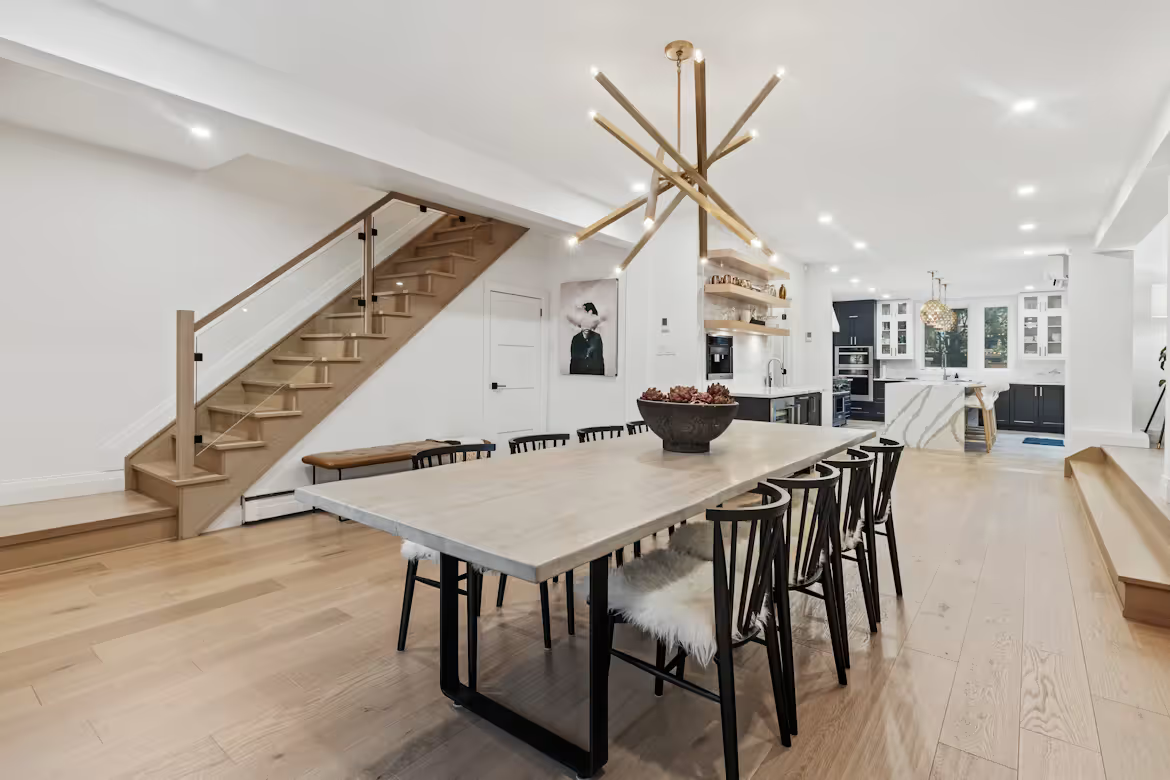
Some of life's most meaningful moments happen around the dining table. Family dinners, celebrations with friends, quiet weekend breakfasts, and long conversations often unfold in this shared space. While the dining room may not be the largest area of a home, it frequently becomes one of its most memorable.
Designing a dining room that feels welcoming begins with understanding how it will be used. Beautiful furniture certainly plays an important role, but comfort, circulation, lighting, and proportion are equally important. The most successful spaces encourage people to linger rather than rush through a meal.
Instead of following short-lived decorating trends, timeless dining rooms focus on craftsmanship, quality materials, and layouts that naturally bring people together. These principles create spaces that remain elegant while adapting to changing lifestyles and occasions.
Choose a Dining Table That Fits the Space
The dining table is the centrepiece of the room, making its size and proportions one of the most important design decisions. A table should comfortably accommodate everyday use while still allowing enough circulation around the room.
Solid timber tables remain a timeless choice because they combine durability with warmth. Oak offers a bright contemporary appearance, walnut introduces greater richness, and ash creates a softer Scandinavian-inspired aesthetic. Natural materials also develop character over time, allowing the table to become more beautiful with everyday use.
Round tables encourage conversation in compact spaces, while rectangular tables suit larger families and frequent entertaining. Whatever the shape, generous seating space should always take priority over squeezing in additional chairs.
A thoughtfully sized table creates a more comfortable dining experience for every occasion.
Comfortable Seating Makes Every Meal Better
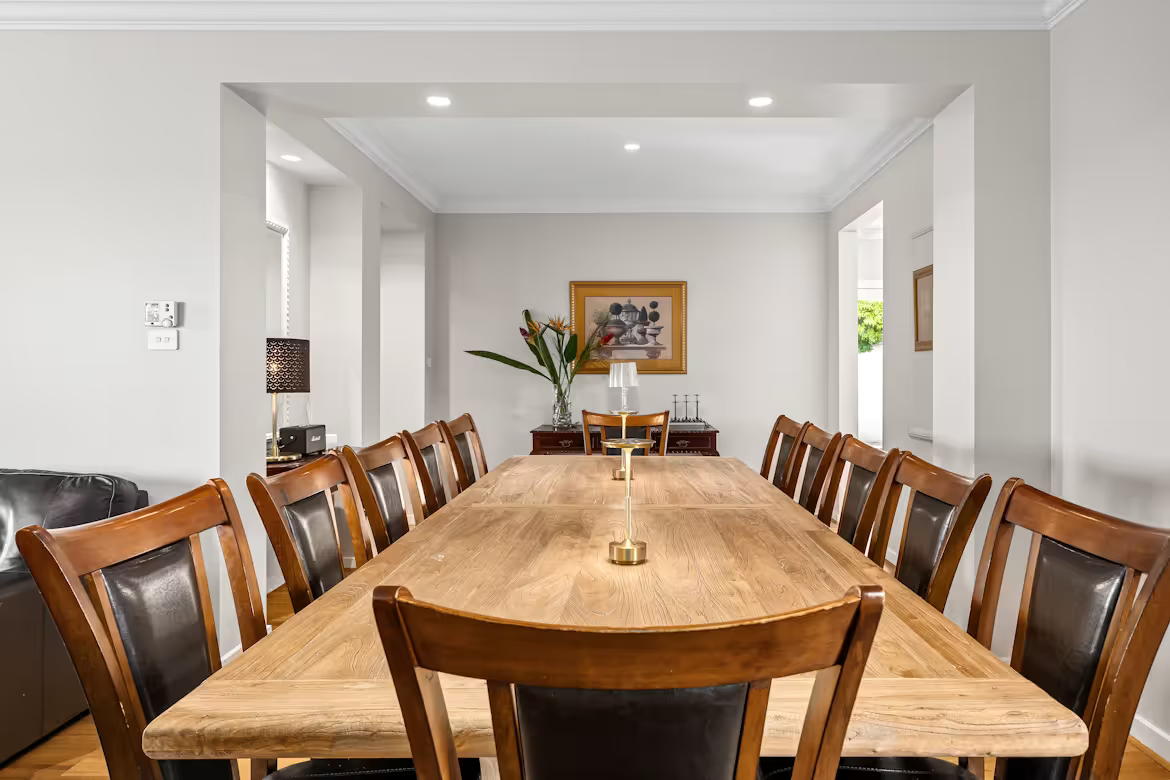
Dining chairs should support both comfort and visual balance. While sculptural chairs can become striking design features, they should remain comfortable enough for long meals and relaxed conversation.
Upholstered seating introduces softness and warmth, while timber chairs highlight craftsmanship and natural materials. Mixing chair styles has also become increasingly popular, provided they share similar proportions and finishes.
Spacing between chairs is equally important. Allowing each guest sufficient room creates a more relaxed atmosphere while improving circulation around the table.
When comfort is prioritised, the dining room naturally becomes a place where people choose to spend more time.
Layer Lighting Above and Around the Table
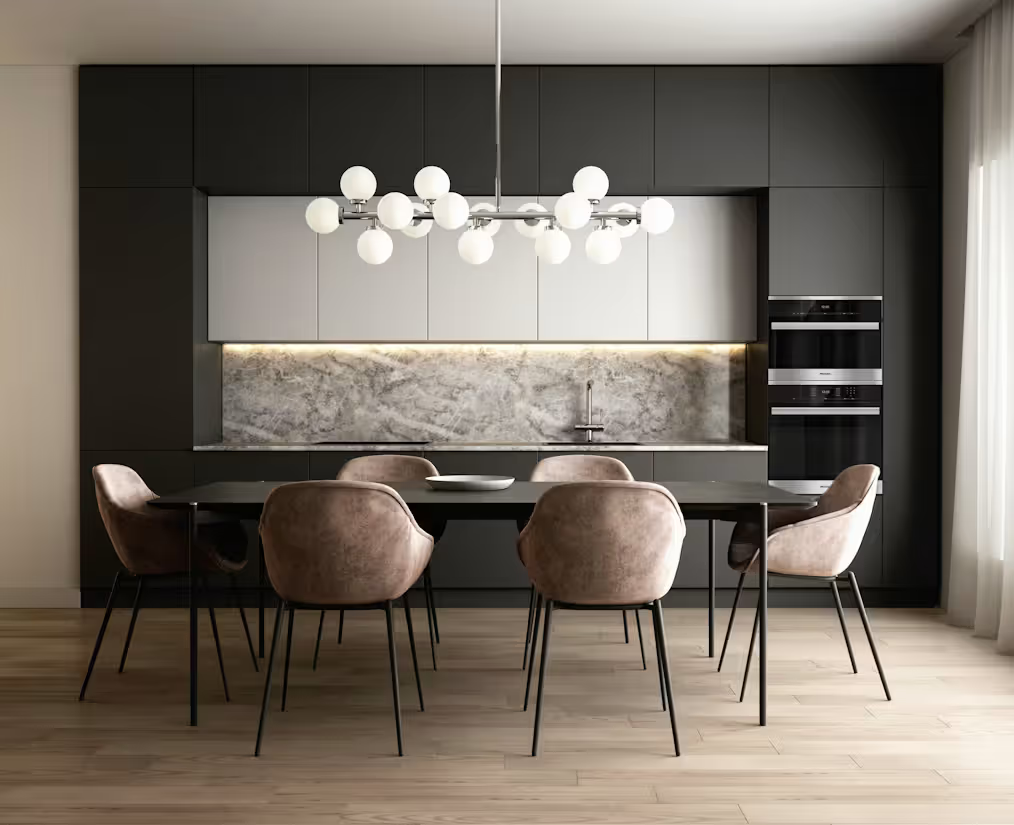
Lighting shapes the atmosphere of every dining room. A well-positioned pendant light creates an intimate focal point while defining the dining area within larger open-plan homes.
Pendant fixtures should be proportionate to the size of the table, providing even illumination without obstructing sightlines between guests. Dimmable lighting allows brightness to be adjusted from everyday family meals to evening entertaining.
Additional wall sconces, table lamps, or nearby floor lighting help soften the room after sunset, creating depth that a single ceiling fixture cannot achieve.
Warm lighting enhances timber furniture, natural textiles, and table settings, making every meal feel more inviting.
Add Character Through Materials and Styling
A dining room should feel personal without becoming overly decorative. Natural linen table runners, handcrafted ceramics, glassware, and simple floral arrangements introduce warmth while allowing the furniture to remain the focal point.
Artwork can establish the mood of the room, while a carefully positioned sideboard provides both storage and display space for favourite serving pieces. Mirrors also work beautifully in dining areas by reflecting light and creating a greater sense of openness.
Rather than filling every available surface, thoughtful restraint creates a calmer and more sophisticated atmosphere.
Seasonal updates can be introduced through fresh flowers, candles, and table settings without altering the room's timeless foundation.
Create a Space That Adapts to Every Occasion
Today's dining rooms often serve multiple purposes beyond shared meals. They become temporary workspaces, places for children to complete school projects, or gathering areas during celebrations with friends and family.
Flexible furniture supports these changing needs. Extendable dining tables accommodate additional guests, while sideboards provide discreet storage for serving ware, linens, and entertaining essentials.
Open-plan homes also benefit from dining spaces that visually connect with surrounding living areas through coordinated materials and colour palettes.
By designing for flexibility instead of a single function, the dining room remains relevant as household routines evolve.
Final Thoughts
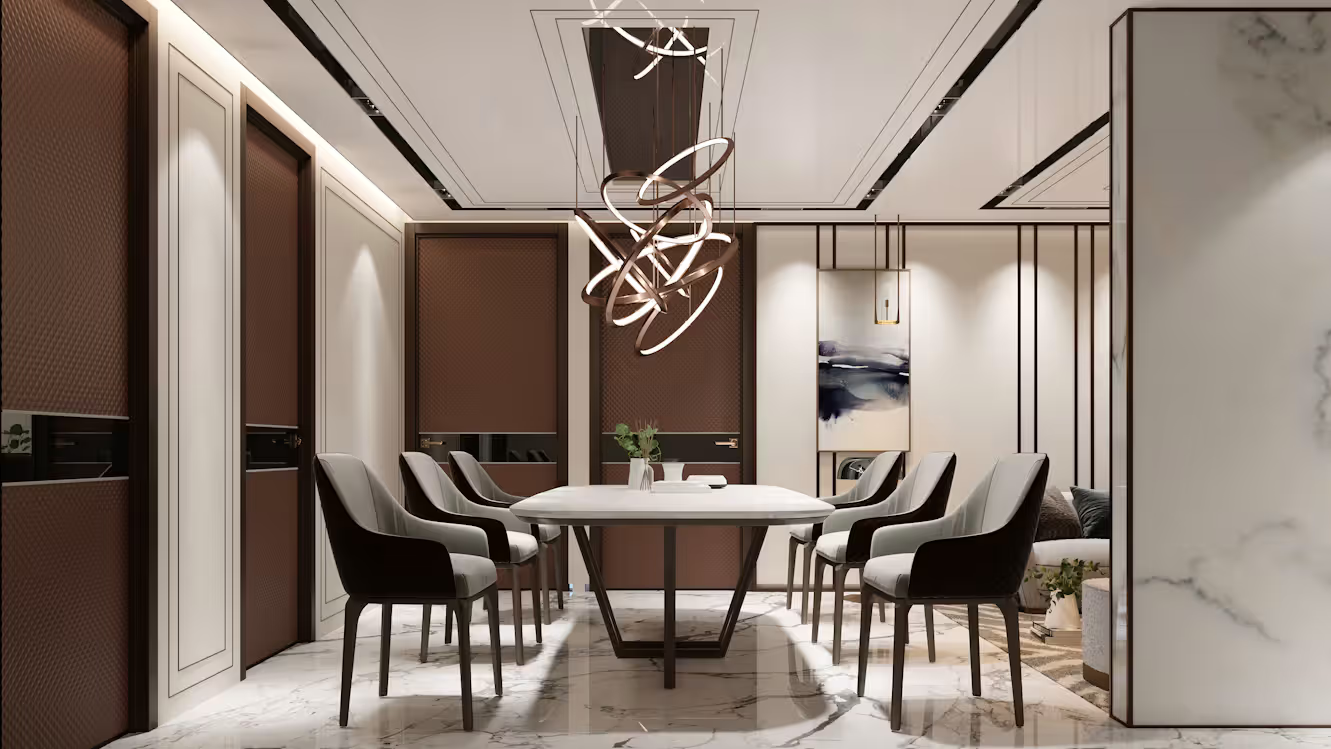
A thoughtfully designed dining room offers much more than a place to eat. It creates an environment where conversations unfold naturally, celebrations become memorable, and everyday routines feel more meaningful.
By investing in quality furniture, warm lighting, authentic materials, and timeless proportions, homeowners can create dining spaces that remain welcoming for decades. As trends come and go, these enduring principles continue to shape rooms that encourage people to slow down, gather together, and enjoy the simple pleasure of sharing a meal.



Comments