
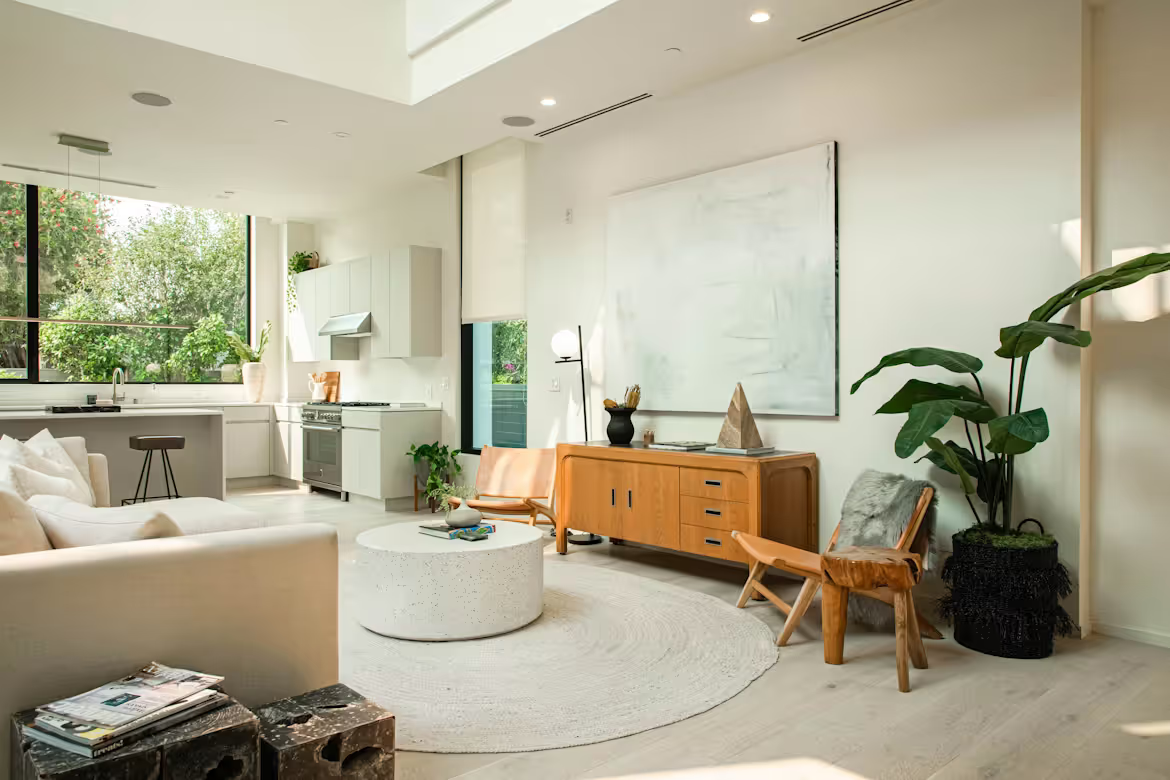
Furniture trends come and go with remarkable speed. One season celebrates sculptural curves and bold colors, while the next embraces minimalist silhouettes and muted palettes. Yet amid these ever-changing preferences, certain pieces remain quietly relevant, finding a place in homes across generations without losing their appeal.
Timeless furniture is rarely defined by a single style. Instead, it reflects thoughtful design, exceptional craftsmanship, and a deep understanding of how people live. Whether it's a handcrafted oak dining table, a beautifully upholstered lounge chair, or a solid walnut sideboard, enduring furniture creates spaces that feel comfortable today and equally inviting years from now.
Design professionals often encourage homeowners to view furniture as a long-term investment rather than a seasonal purchase. Choosing pieces with lasting quality not only creates more cohesive interiors but also encourages a slower, more intentional approach to decorating. Rather than replacing entire rooms every few years, timeless furniture allows interiors to evolve naturally through artwork, textiles, lighting, and personal collections.
Beautiful homes rarely rely on trends alone—they are built on foundations that continue to feel relevant long after design fashions have shifted.
Function Is the Foundation of Great Furniture
Furniture designed to last always begins with purpose.
The world's most admired pieces weren't created simply to follow aesthetic movements. They were designed to solve everyday needs with elegance and efficiency. A dining chair should encourage comfortable conversation over long meals, while a sofa should support relaxation without sacrificing proportion or durability.
When designers begin with function, visual beauty often follows naturally.
This principle explains why many classic furniture designs continue appearing in contemporary homes decades after they were first introduced. Their forms remain practical, their proportions feel balanced, and their usability never becomes outdated.
Rather than demanding attention through exaggerated shapes or decorative details, timeless furniture quietly supports daily life while contributing to a room's overall harmony.
Quality Materials Become More Beautiful Over Time
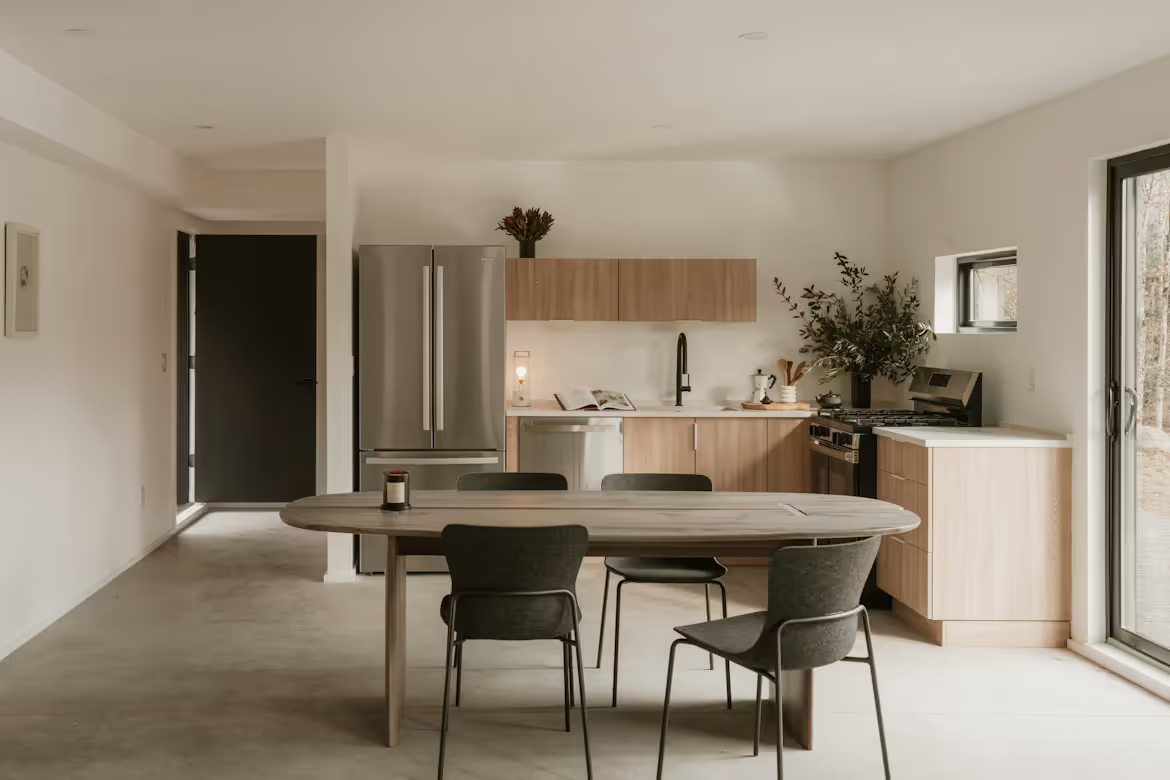
One of the defining characteristics of timeless furniture is the honest use of materials.
Natural wood develops a richer patina through years of everyday use. Leather softens gracefully while retaining its character. Linen gains texture without losing elegance, and stone surfaces reveal subtle variations that tell the story of a well-lived home.
Unlike synthetic finishes that often deteriorate with age, authentic materials reward patience. Small marks, softened edges, and gentle wear become reminders of shared meals, celebrations, quiet mornings, and everyday routines.
This emotional connection transforms furniture into something more meaningful than decoration. Pieces become part of family traditions and personal memories, carrying stories that cannot be replicated by mass-produced alternatives.
Quality materials also offer longevity through restoration. Wooden surfaces can be refinished, upholstery can be renewed, and carefully crafted furniture can continue serving new generations rather than being discarded after a few years.
Timeless Design Adapts to Changing Interiors
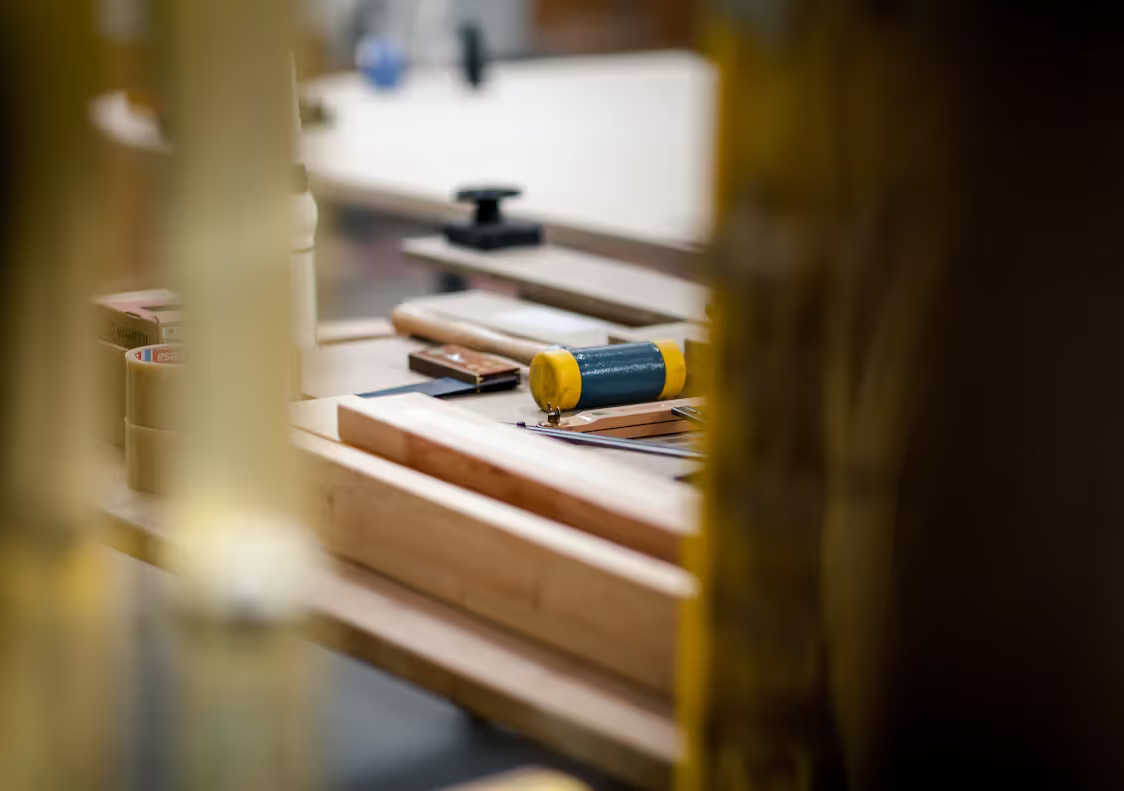
One of the greatest strengths of timeless furniture is its ability to adapt. Unlike trend-driven pieces that often feel tied to a specific era, well-designed furniture provides a flexible foundation that works across a variety of interior styles.
A simple oak dining table, for example, can feel equally at home in a Scandinavian apartment, a contemporary loft, or a traditional townhouse. Pair it with upholstered dining chairs for a refined look, or mix it with minimalist seating for a more modern expression. The furniture remains relevant while the surrounding décor evolves.
This versatility allows homeowners to refresh their interiors without replacing major investments. New artwork, updated lighting, textured rugs, or seasonal accessories can transform a room while timeless furniture continues to anchor the space.
Designers often recommend treating furniture as the architecture of an interior. Once the foundation is established with enduring pieces, decorative elements can evolve naturally as personal tastes change. This approach creates homes that feel layered and authentic rather than overly styled or tied to a passing trend.
Choosing adaptable furniture also encourages a slower, more thoughtful way of decorating. Rather than following every new design movement, homeowners can build collections over time, adding pieces that complement what they already own. The result is an interior that feels personal, curated, and lasting.
Investing in Furniture That Lasts for Decades
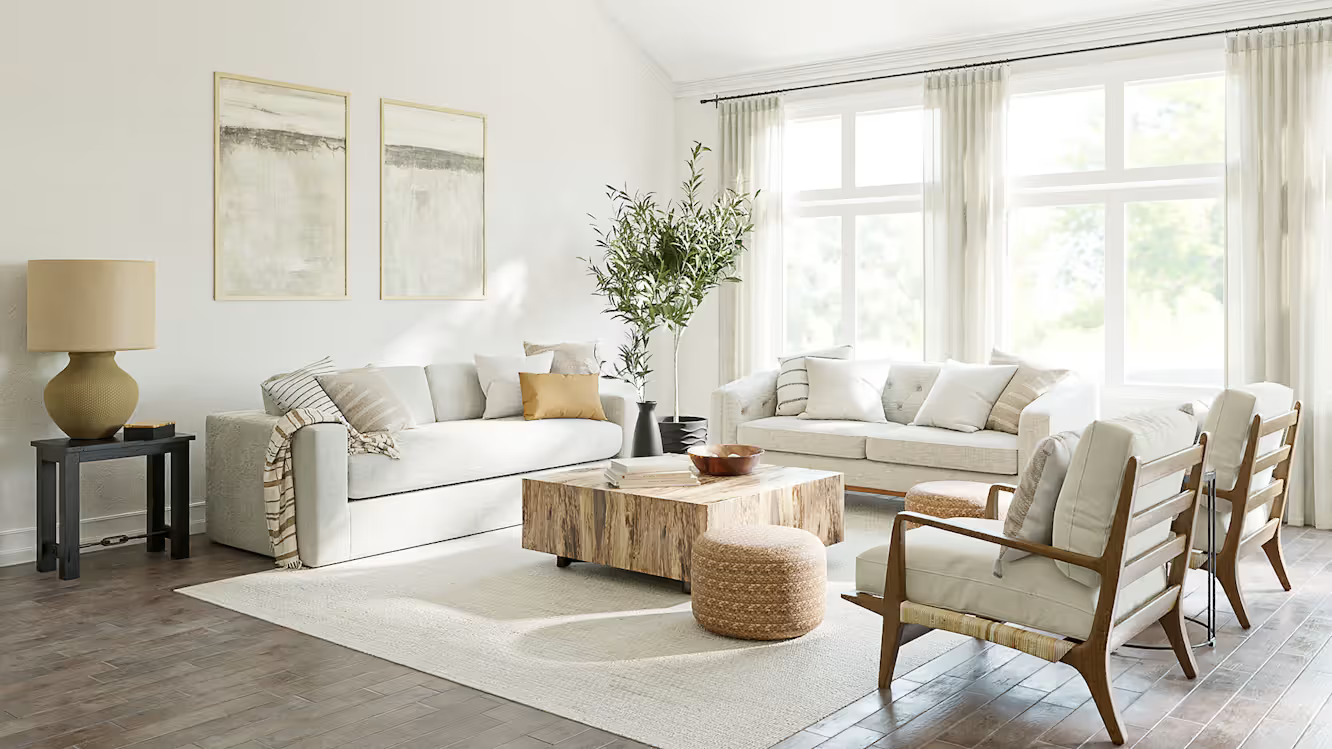
Choosing timeless furniture is ultimately an investment in quality rather than quantity.
While trend-driven pieces may appear appealing in the moment, their popularity often fades quickly, encouraging frequent replacements that increase both financial and environmental costs. Furniture built with durable materials and thoughtful craftsmanship offers a different kind of value—one measured not only in years but in everyday experiences.
A well-made armchair becomes the favorite place to read. A dining table hosts birthdays, celebrations, and quiet family dinners. A beautifully crafted cabinet stores treasured objects while adding character to the room. These pieces become woven into daily life, gaining significance with every passing year.
This philosophy also aligns with a more sustainable approach to design. Purchasing fewer, better-made pieces reduces unnecessary consumption and encourages responsible craftsmanship. Many high-quality furnishings can be repaired, refinished, or reupholstered, extending their lifespan rather than sending them to landfill.
Timeless interiors are rarely created overnight. They evolve gradually through considered decisions, meaningful purchases, and an appreciation for quality that extends beyond seasonal trends. By investing in furniture designed to endure, homeowners create spaces that remain elegant, functional, and deeply personal for years to come.


Comments