
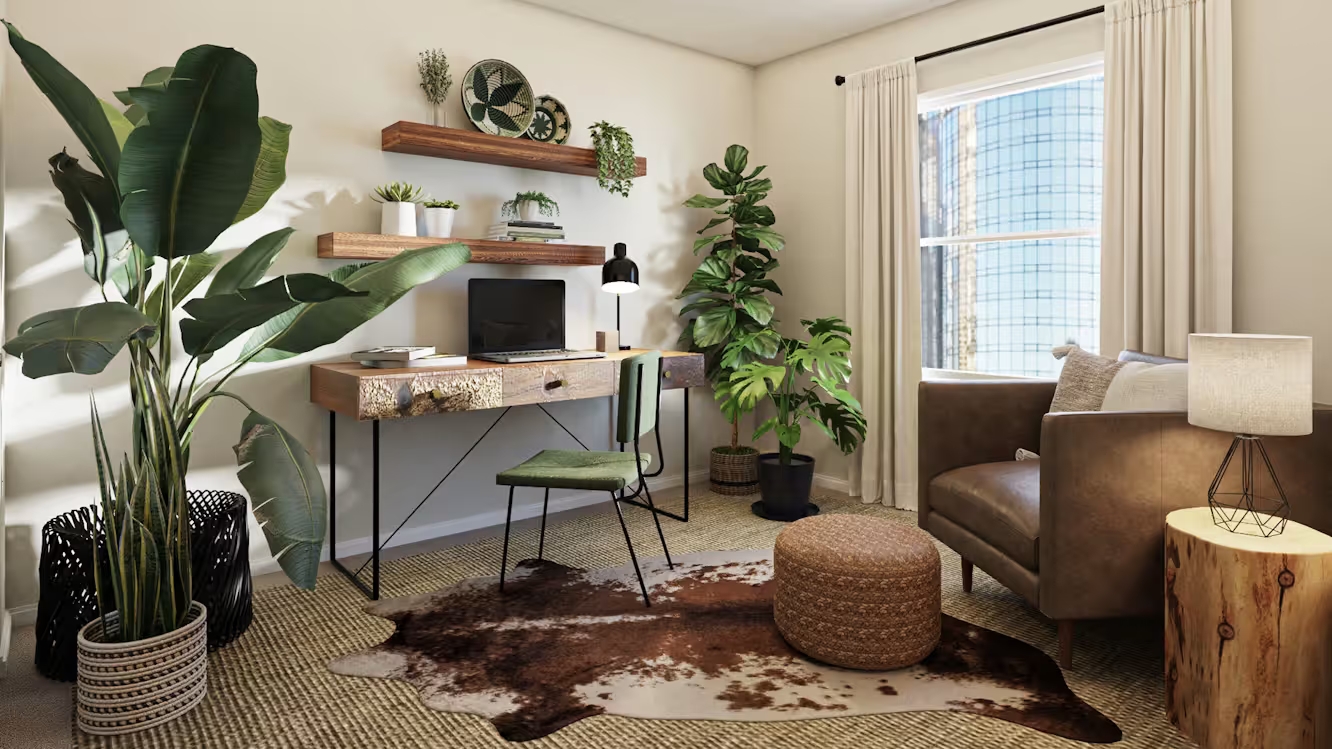
The modern home office has become an essential part of everyday life. Whether used for remote work, creative projects, or managing household responsibilities, it is a space that deserves the same level of attention as any other room in the home. A well-designed workspace can improve concentration, encourage creativity, and make long working hours feel considerably more comfortable.
Creating an inspiring home office is not simply about choosing a stylish desk or comfortable chair. Successful workspaces balance functionality with atmosphere, combining intelligent layouts, natural light, quality furniture, and thoughtful storage solutions. When every element has a purpose, the environment feels organised without becoming clinical.
Rather than separating work from design, today's best home offices demonstrate that productivity and beautiful interiors can exist together in perfect harmony.
Start with a Functional Layout
Every productive workspace begins with careful planning. Before selecting furniture, it is important to understand how the room will be used throughout the day.
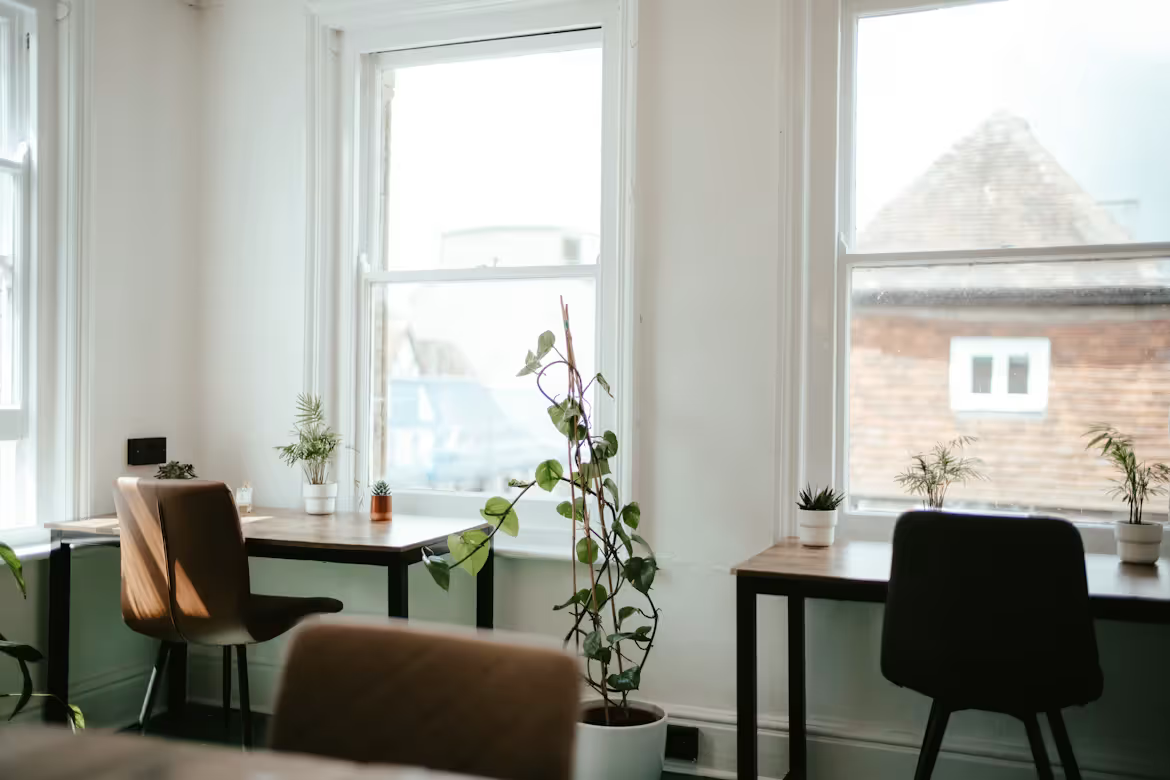
Positioning the desk near a window allows natural light to illuminate the workspace while reducing eye strain. At the same time, circulation around the room should remain unobstructed, creating an environment that feels open rather than confined.
Even compact spaces can become efficient offices with thoughtful furniture placement. Built-in shelving, floating desks, and multifunctional storage help maximise available space without overwhelming the room.
A well-planned layout allows work to flow naturally while keeping distractions to a minimum.
Invest in Furniture That Supports Everyday Comfort
Comfort plays a vital role in long-term productivity. A supportive ergonomic chair, a generously sized desk, and practical storage solutions contribute far more to daily wellbeing than decorative accessories alone.
Natural materials such as oak, walnut, and linen create a warmer atmosphere than synthetic finishes, making the workspace feel connected to the rest of the home. Adjustable seating and appropriate desk height encourage better posture, reducing fatigue during extended periods of work.
Rather than filling the office with unnecessary furniture, selecting fewer, higher-quality pieces creates a calmer environment that remains relevant for years.
Quality craftsmanship also ensures furniture continues performing beautifully despite everyday use.
Keep Storage Simple and Organised
Clutter can quickly interrupt concentration. Successful home offices integrate storage into the overall design, ensuring essential items remain accessible while work surfaces stay clear.
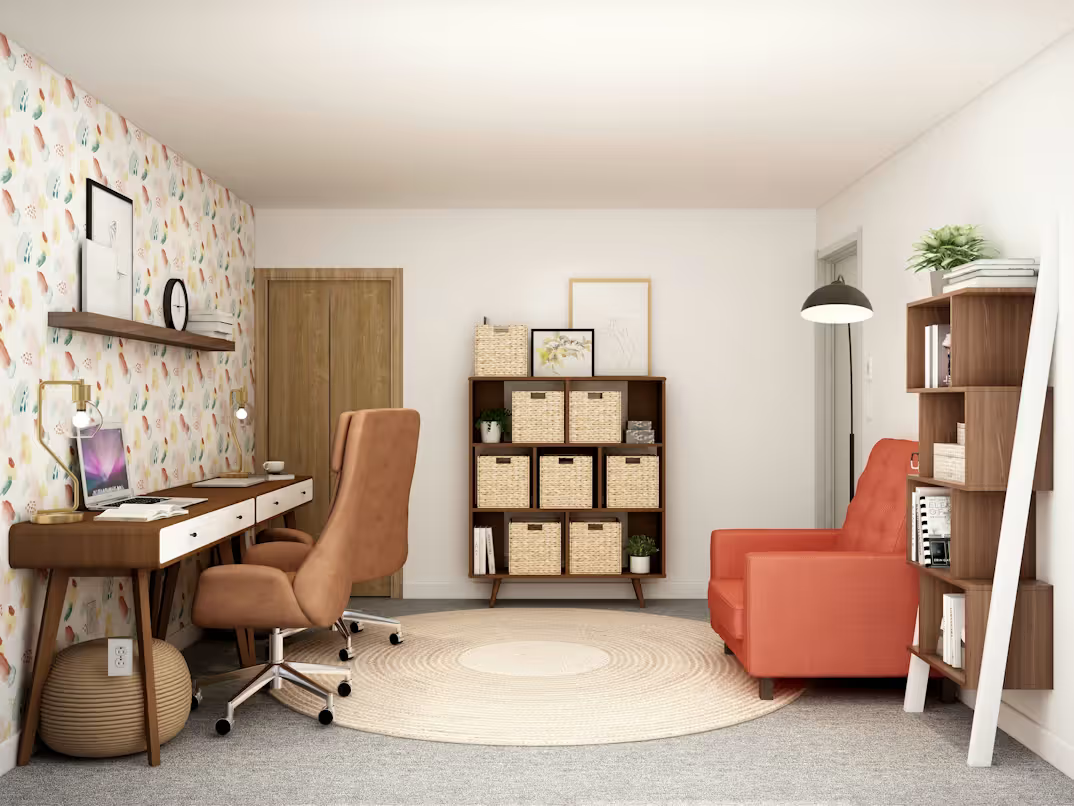
Open shelving can display books, ceramics, and carefully chosen decorative objects, while closed cabinets conceal documents and equipment. Cable management solutions further improve the room's appearance by eliminating visual distractions.
Maintaining organised storage not only improves efficiency but also contributes to a calmer atmosphere, making the workspace feel more intentional and enjoyable to use.
The most productive offices often appear remarkably simple because every item has its place.
Use Lighting to Improve Productivity
Lighting influences both comfort and concentration. Natural daylight should always be prioritised, but layered artificial lighting ensures the workspace remains functional throughout the day.
A desk lamp provides focused task lighting, while ambient lighting softens the room during early mornings or evening work sessions. Warm neutral lighting helps create a comfortable atmosphere without causing harsh glare on computer screens.
Positioning the desk to avoid direct reflections also improves visual comfort, allowing work to continue without unnecessary distractions.
Thoughtful lighting enhances both the practical and aesthetic qualities of the workspace.
Add Personality Without Creating Distractions
An inspiring office should reflect its owner while maintaining visual clarity. Carefully selected artwork, indoor plants, handcrafted ceramics, and a small collection of favourite books introduce personality without cluttering the space.
Natural greenery softens clean architectural lines and creates a stronger connection to nature, while framed artwork can provide inspiration during creative work.
The goal is balance. Decorative objects should enrich the environment rather than compete for attention. A workspace that feels calm and personal encourages both focus and creativity throughout the day.
Final Thoughts
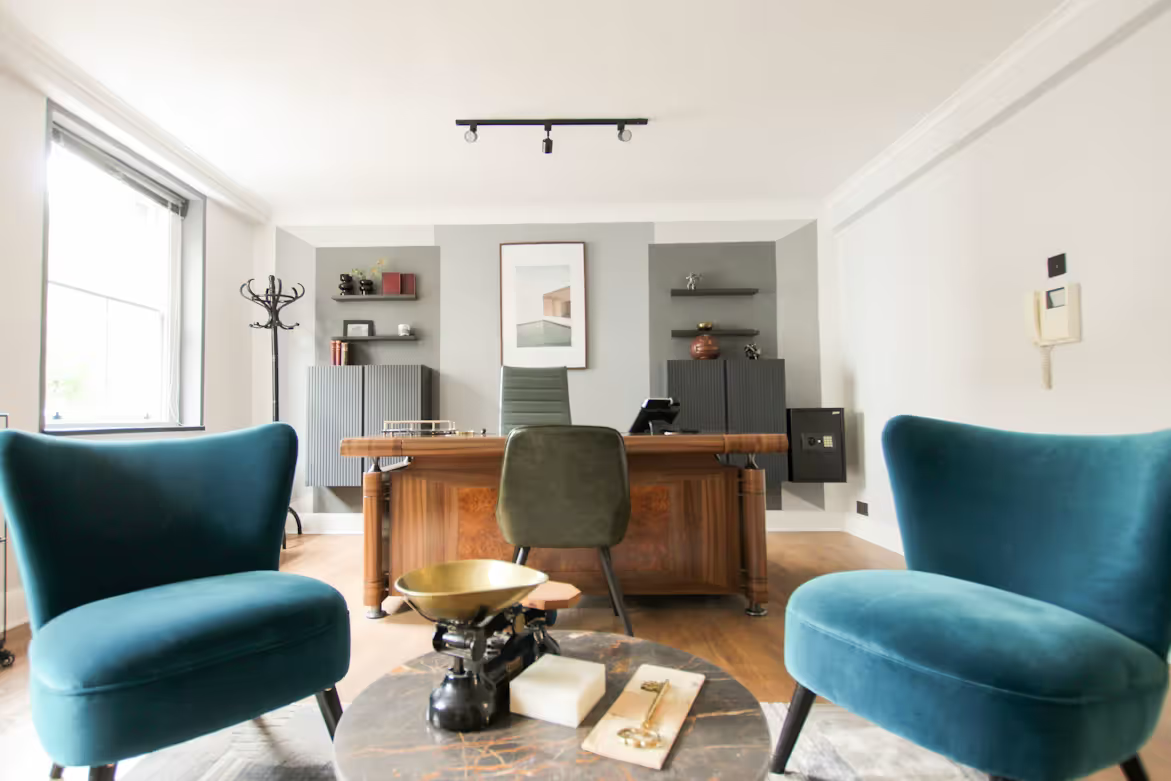
A thoughtfully designed home office supports more than productivity—it improves the overall experience of working from home. Intelligent layouts, quality furniture, generous natural light, and organised storage create spaces that feel comfortable, efficient, and inspiring.
Rather than treating the office as a purely functional room, integrating timeless design principles allows it to become a seamless extension of the home. The result is a workspace that encourages creativity, supports wellbeing, and continues to adapt as everyday routines evolve.



Comments