
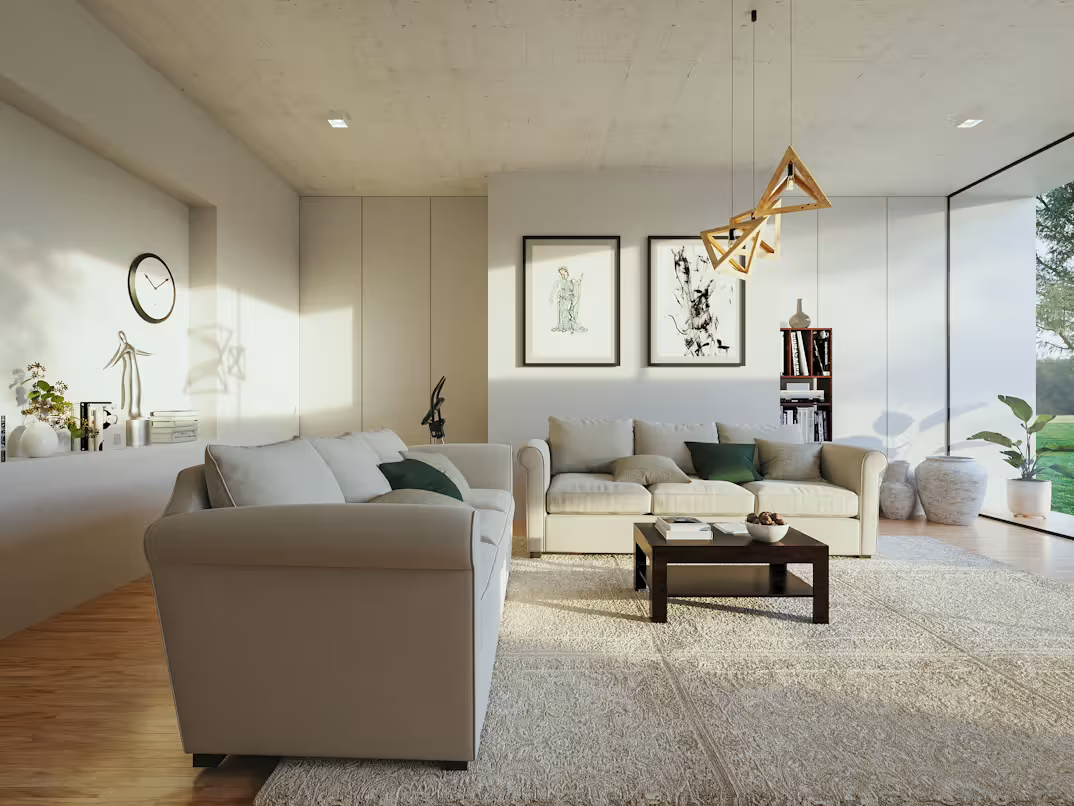
Few design philosophies have remained as influential as Scandinavian interiors. Decades after becoming internationally recognised, their principles continue to shape contemporary homes across the world. While colours, furniture collections, and decorative trends constantly evolve, Scandinavian design maintains its relevance by focusing on qualities that never lose their value—simplicity, craftsmanship, functionality, and comfort.
Originating in the Nordic countries, this design approach was born from a desire to create warm, welcoming homes despite long winters and limited daylight. Every element, from furniture placement to material selection, was intended to maximise light while promoting everyday wellbeing.
Today, Scandinavian interiors are appreciated not because they follow trends, but because they create spaces that feel calm, practical, and effortlessly elegant.
Simplicity Without Feeling Empty
Minimalism often risks creating interiors that appear cold or impersonal, yet Scandinavian design achieves something very different. Simplicity is balanced with warmth, resulting in homes that feel lived in rather than sparse.
Furniture features clean lines without excessive ornamentation, while decorative accessories are carefully selected instead of displayed in large numbers. Every piece contributes both beauty and function, creating rooms that feel organised but never sterile.
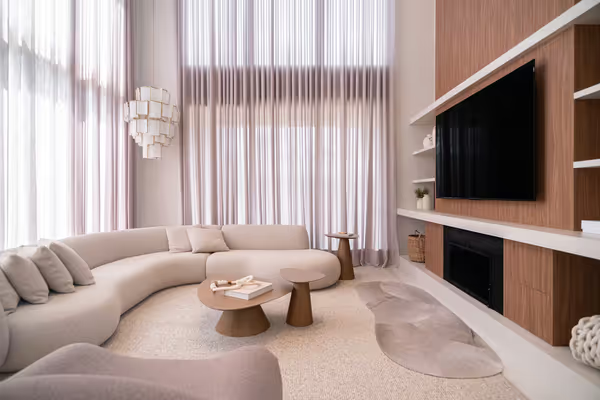
Neutral colours play an important role in maintaining this balance. Soft whites, warm greys, sandy tones, and muted earthy shades reflect natural light while providing a calming backdrop for everyday life.
The result is an interior that encourages relaxation without sacrificing personality.
Natural Materials Bring Warmth
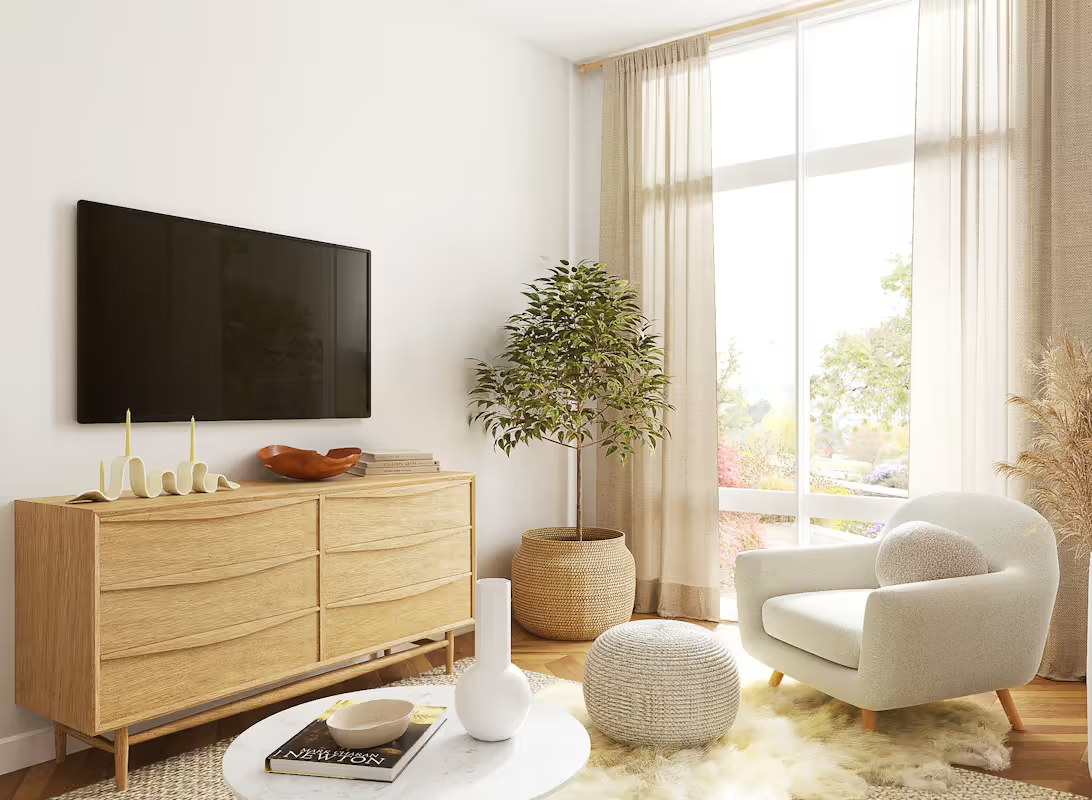
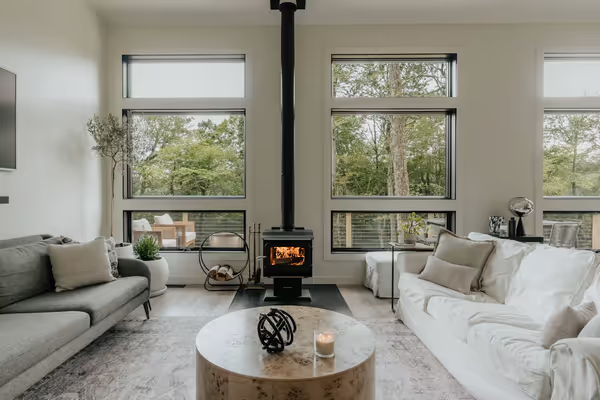
One of the defining characteristics of Scandinavian interiors is the extensive use of natural materials. Light-toned timber, linen, wool, leather, and stone introduce warmth while celebrating craftsmanship and authenticity.
Oak and ash are commonly used for flooring and furniture because they brighten interiors while maintaining a timeless appearance. Linen curtains soften daylight, wool rugs create comfort underfoot, and handcrafted ceramics add subtle texture to shelves and dining tables.
Rather than combining numerous finishes, Scandinavian interiors rely on a restrained material palette. This creates visual harmony while allowing each material to reveal its natural beauty.
These thoughtful combinations make even the simplest spaces feel welcoming throughout every season.
Function Guides Every Design Decision
Scandinavian homes demonstrate that beautiful interiors should also be practical. Furniture is selected not only for its appearance but also for its ability to support daily life.
Storage is often integrated into benches, sideboards, and shelving, helping interiors remain organised without appearing cluttered. Dining tables become gathering places for family meals, while comfortable lounge chairs create inviting reading corners near natural light.
This emphasis on functionality extends to the overall layout. Open circulation, balanced proportions, and flexible furniture arrangements ensure that homes remain adaptable as lifestyles evolve.
Rather than following decorative trends, Scandinavian design continues to prioritise comfort and usability above all else.
Let Daylight Become Part of the Design
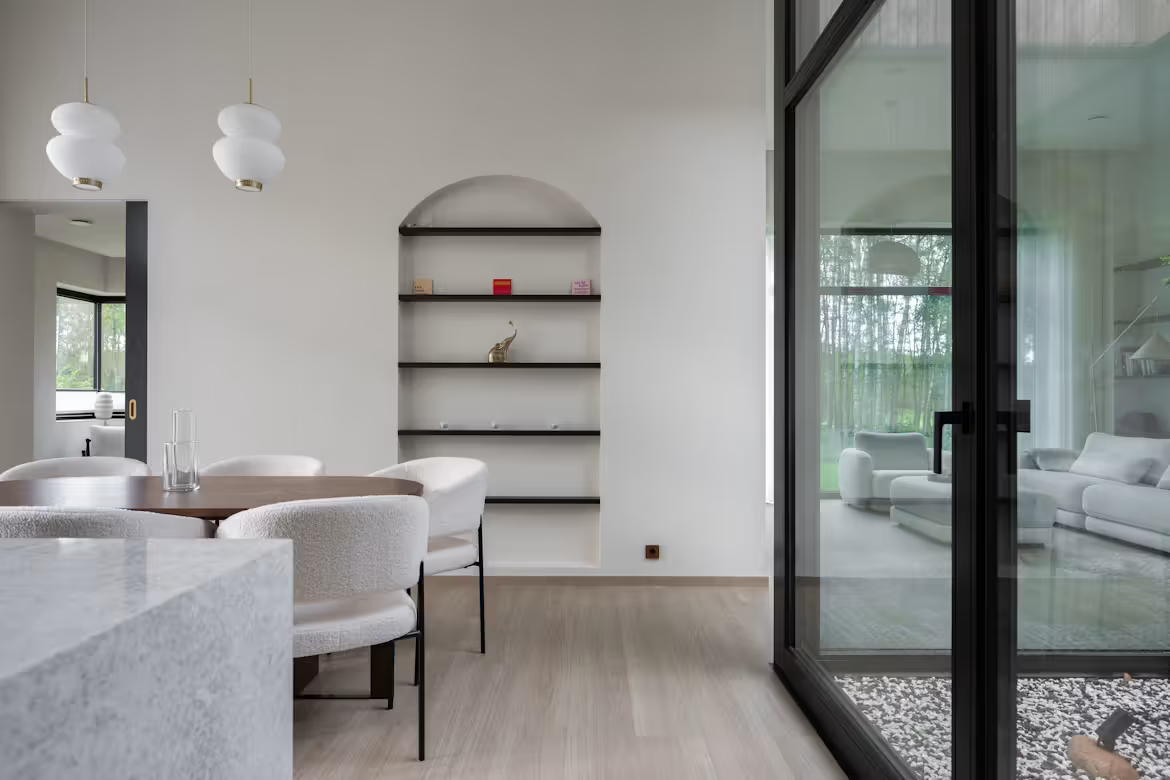
In Nordic countries, natural daylight is a valuable resource, particularly during the darker months of the year. As a result, Scandinavian interiors are carefully designed to maximise available light.
Large windows remain unobstructed whenever possible, while sheer curtains gently diffuse sunlight without blocking it. Mirrors are strategically positioned to reflect light deeper into the home, making smaller rooms appear brighter and more spacious.
Artificial lighting receives equal attention. Pendant lights, table lamps, and floor lamps work together to create soft layers of illumination that complement rather than replace daylight.
This thoughtful relationship with light contributes greatly to the calm atmosphere associated with Scandinavian homes.
Comfort Through Thoughtful Details
Beyond furniture and architecture, Scandinavian interiors embrace everyday comfort through subtle styling choices. Soft wool throws, textured cushions, handcrafted ceramics, indoor plants, and carefully selected artwork introduce personality while maintaining visual simplicity.
These elements are never excessive. Instead, they support the room's overall harmony, allowing natural materials and clean architectural lines to remain the focus.
Seasonal changes are equally understated. Fresh flowers during spring, woven baskets in summer, candles during autumn, and layered textiles throughout winter allow interiors to evolve naturally without requiring major redesigns.
This approach creates homes that feel timeless because they prioritise comfort over decoration.
Final Thoughts
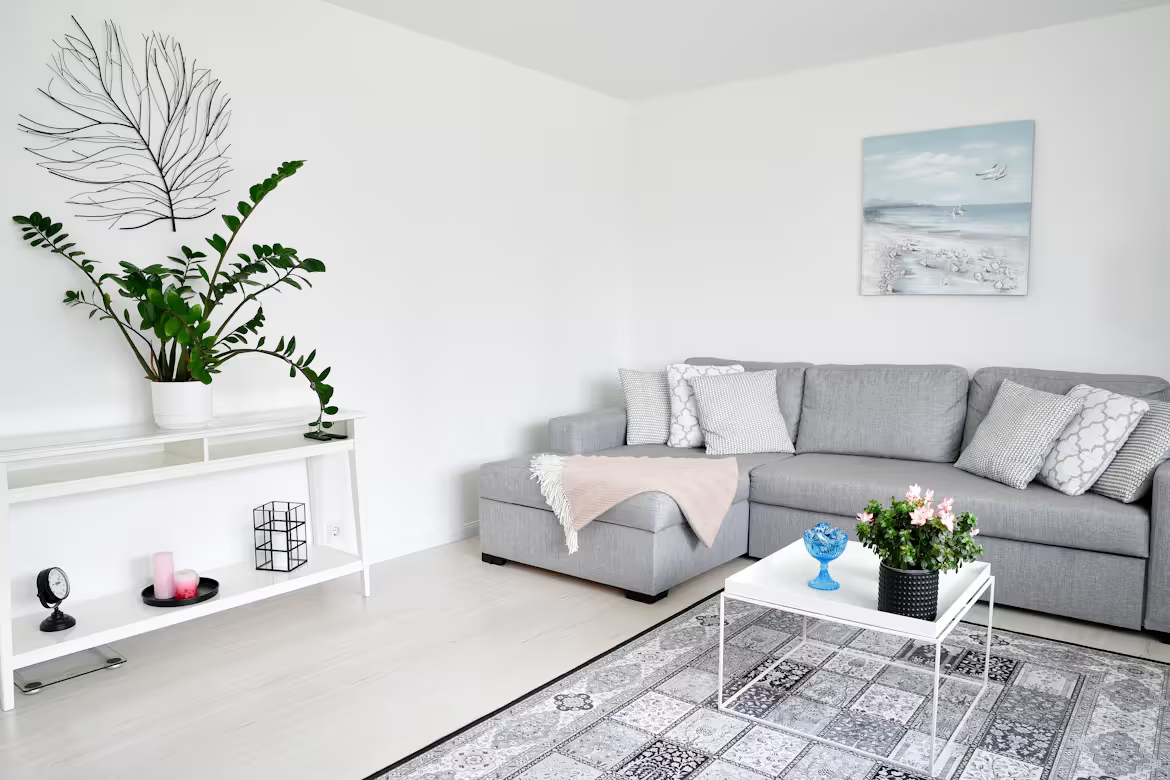
Scandinavian design has earned its lasting reputation by proving that simplicity and warmth can exist together beautifully. Through functional layouts, natural materials, generous daylight, and thoughtful styling, it creates interiors that support everyday living while remaining elegant for decades.
Rather than chasing changing trends, this philosophy encourages homeowners to invest in quality craftsmanship and timeless design principles. The result is not only a beautiful home but one that feels comfortable, welcoming, and deeply connected to the people who live within it.




Comments