
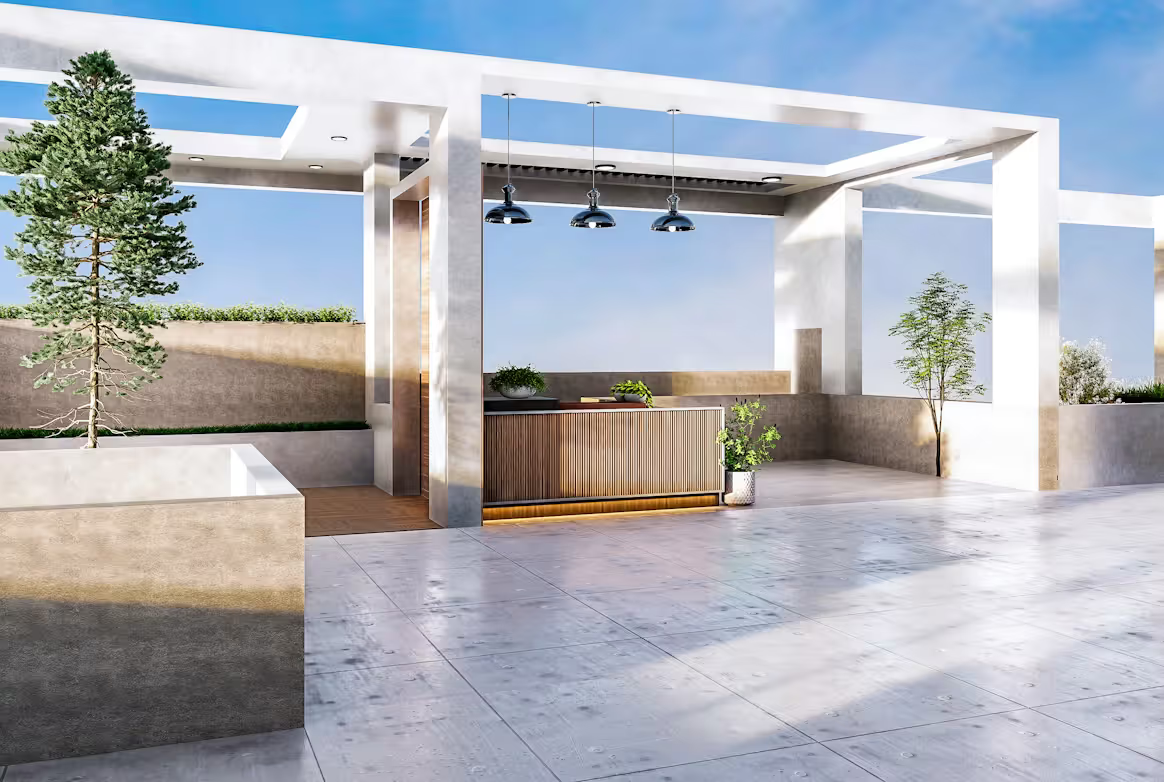
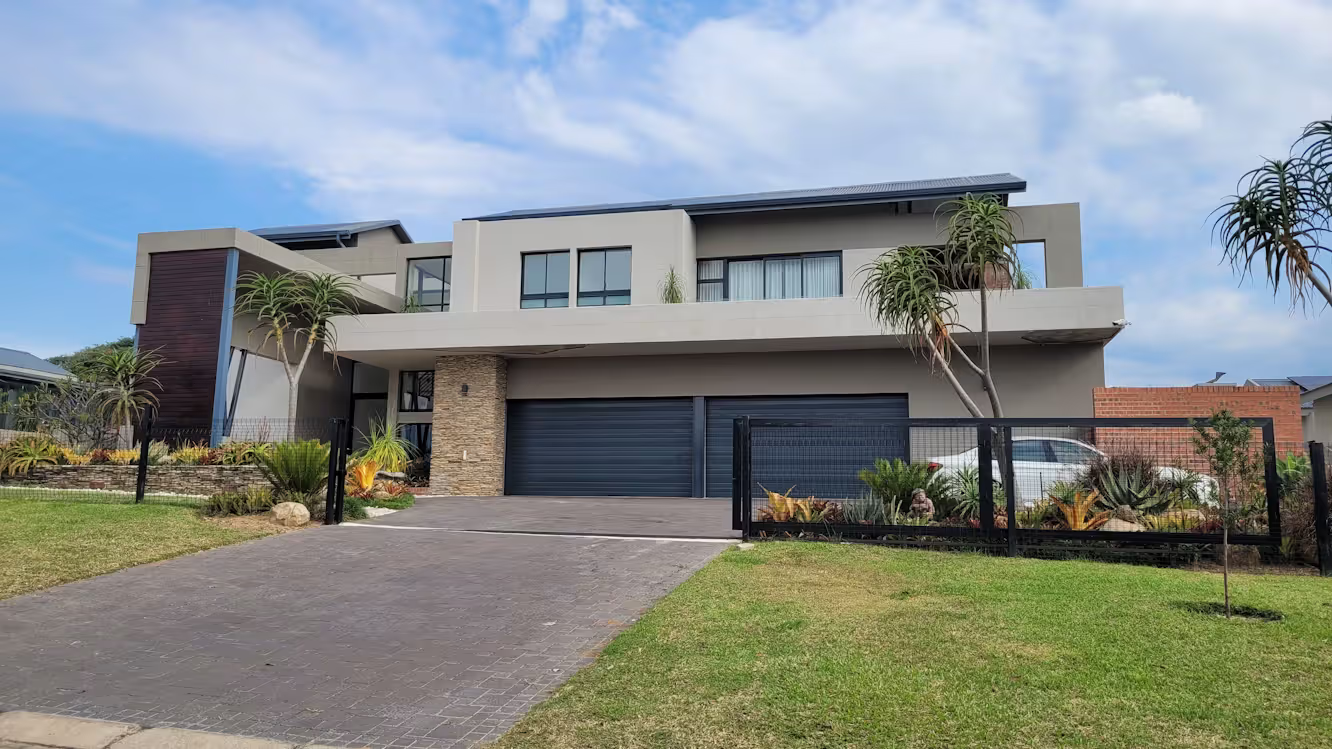
Outdoor living has become an essential part of contemporary residential design. Rather than viewing gardens, terraces, and patios as separate areas, architects increasingly design them as natural extensions of the home itself. The transition between indoors and outdoors is now more seamless than ever, allowing everyday life to unfold across both environments.
A thoughtfully designed outdoor space does far more than improve a home's appearance. It creates opportunities for relaxation, family gatherings, outdoor dining, and quiet moments surrounded by nature. Whether enjoying a morning coffee on a shaded terrace or entertaining friends beneath evening lighting, these spaces encourage people to spend more time outside while remaining closely connected to the comfort of home.
The most successful outdoor environments achieve this through simplicity. Durable materials, carefully planned landscaping, comfortable furniture, and architectural continuity combine to create spaces that feel timeless rather than seasonal.
Build a Strong Foundation with Natural Materials
The foundation of every outdoor living space begins with carefully selected materials. Since these areas experience changing weather throughout the year, durability is just as important as visual appeal.
Natural stone remains one of the most enduring choices for patios and pathways because it develops character over time while complementing surrounding planting. Timber decking introduces warmth beneath outdoor seating areas, while exposed concrete creates a contemporary architectural language that pairs beautifully with natural landscapes.
Using materials that also appear inside the home strengthens the connection between both environments. Extending limestone flooring or timber finishes outdoors creates visual continuity, making the transition feel almost effortless.
Rather than relying on decorative surfaces, timeless outdoor spaces celebrate authentic materials that improve through everyday use.
Create Comfortable Outdoor Rooms
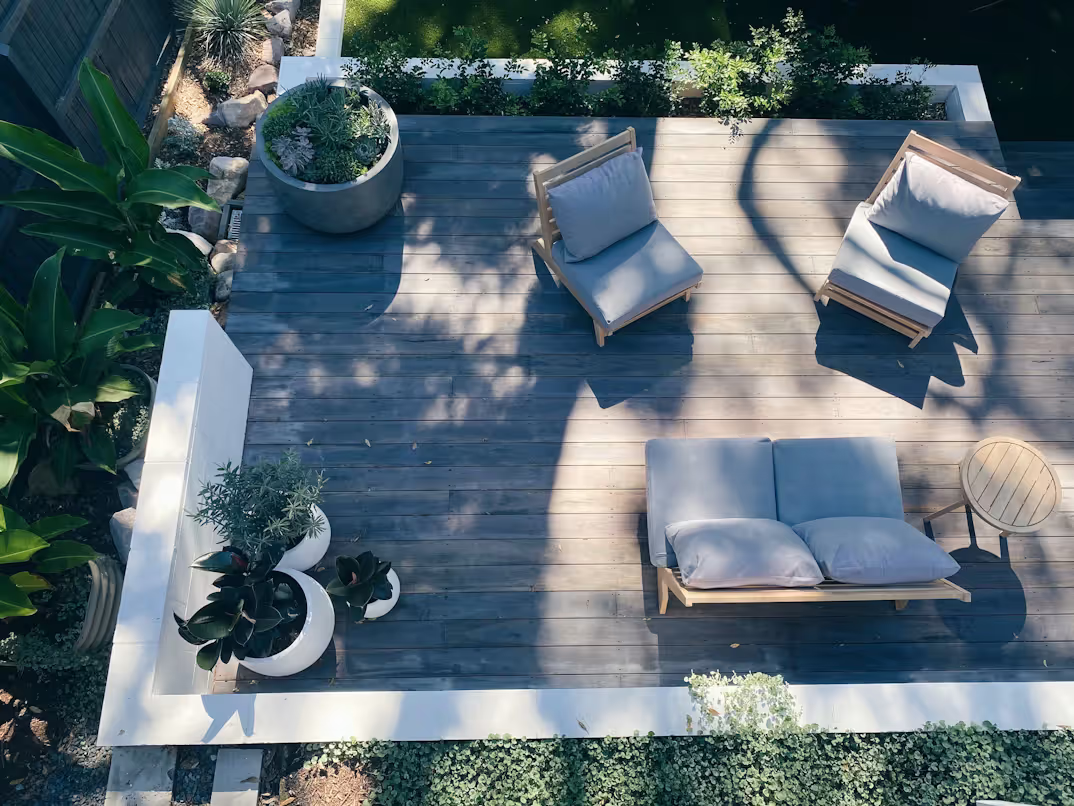
The most inviting gardens are designed as outdoor rooms rather than empty open spaces. Comfortable seating, carefully positioned tables, and flexible layouts encourage people to spend time outside throughout the day.
Lounge furniture arranged around a coffee table creates an inviting place for conversation, while dining areas positioned close to the kitchen simplify entertaining. Built-in benches maximise space and provide additional seating without overwhelming smaller terraces.
Shade is equally important. Pergolas, mature trees, or adjustable canopies allow outdoor spaces to remain comfortable during warmer months while contributing architectural interest.
When furniture is thoughtfully arranged, outdoor areas naturally become an extension of everyday living.
Landscape with Purpose
Successful landscaping is about much more than planting flowers. Every tree, shrub, and pathway should contribute to the overall experience of the home.
Layering plants of different heights creates depth while maintaining year-round visual interest. Native planting often requires less maintenance and supports local biodiversity, making it an increasingly popular choice for sustainable gardens.
Stone pathways encourage movement through the landscape, while ornamental grasses soften architectural edges. Water features can introduce gentle sound, creating peaceful outdoor environments without becoming dominant design features.
Rather than filling every available space, thoughtful planting allows architecture and landscape to complement one another naturally.
Extend Outdoor Living into the Evening
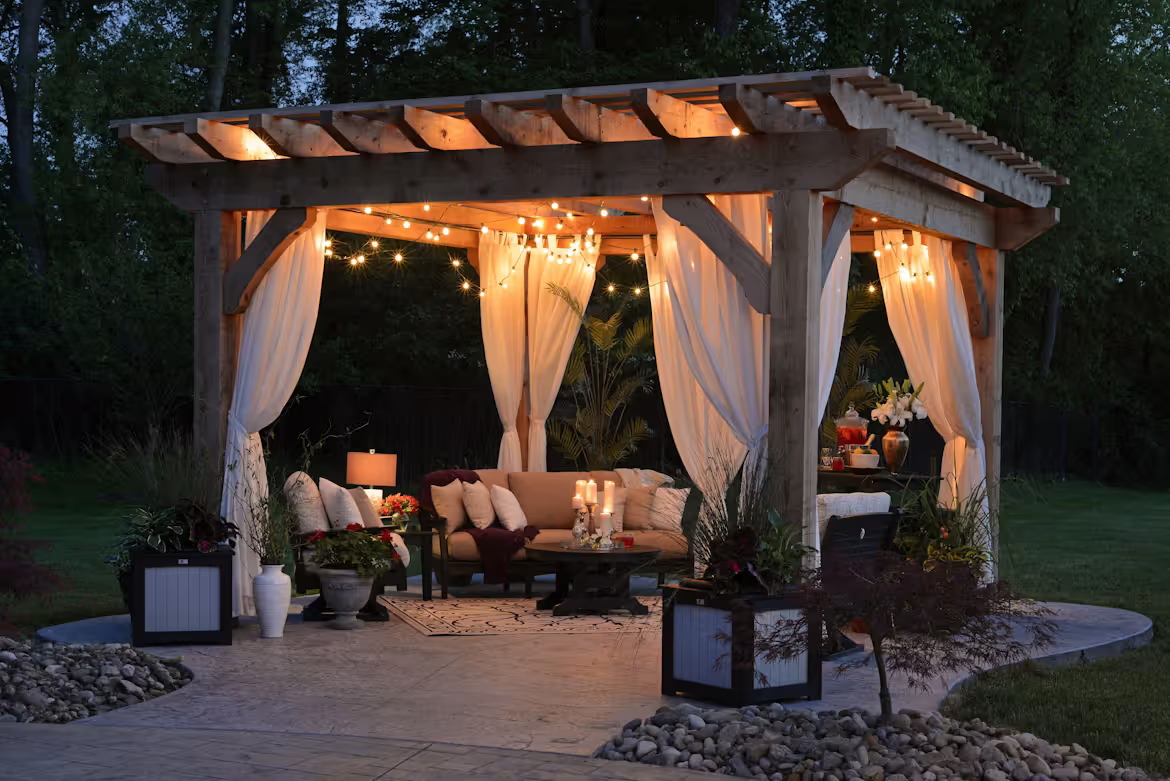
Outdoor spaces should remain enjoyable after sunset. Thoughtfully layered lighting transforms gardens into inviting environments while improving safety and highlighting architectural features.
Warm pathway lighting guides movement, subtle uplighting reveals the texture of trees and planting, and pendant lighting beneath covered terraces creates an intimate atmosphere for outdoor dining.
Fire pits and outdoor fireplaces introduce warmth during cooler evenings while naturally encouraging conversation. Combined with comfortable seating and soft textiles, these elements allow outdoor areas to remain welcoming throughout changing seasons.
Carefully planned lighting ensures the garden remains an active part of the home long after daylight fades.
Design for Sustainability and Longevity
Outdoor spaces should evolve naturally alongside the home rather than requiring frequent redesign.
Choosing durable materials, native planting, permeable paving, and efficient irrigation systems creates landscapes that remain resilient while reducing long-term maintenance. Rainwater harvesting and drought-tolerant gardens further support environmentally responsible design without compromising beauty.
Well-designed landscapes also mature gracefully. Trees provide increasing shade, planting becomes richer with time, and natural materials develop character through changing weather conditions.
This long-term perspective creates outdoor environments that continue improving year after year.
Final Thoughts
Exceptional outdoor spaces are not defined by their size but by how naturally they become part of everyday life. Through thoughtful planning, authentic materials, layered planting, and comfortable furniture, gardens and terraces evolve into welcoming living areas that support relaxation, entertaining, and quiet moments alike.
As architecture increasingly embraces stronger connections with nature, outdoor spaces continue to play an essential role in shaping healthier and more enjoyable homes. When designed with longevity in mind, they become lasting extensions of the architecture itself—beautiful, functional, and deeply connected to the landscape.

Comments