
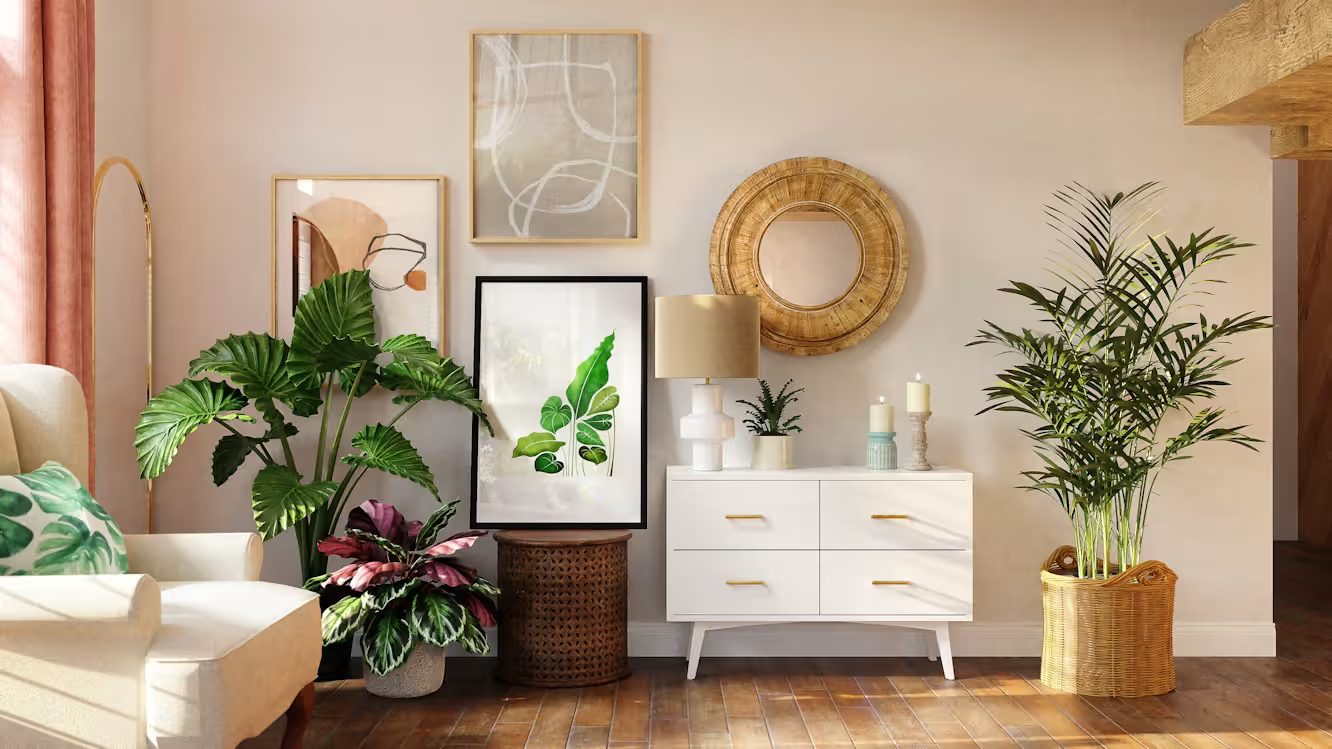
As cities become denser and daily life grows increasingly connected to technology, our homes have taken on a new role. They are no longer simply places to eat and sleep—they have become spaces for working, relaxing, entertaining, and recharging. In response, many homeowners are seeking interiors that offer a stronger connection to nature, creating environments that feel calmer, healthier, and more restorative.
This growing appreciation has brought biophilic design into the spotlight. Rather than treating plants as decorative accessories, biophilic interiors integrate natural elements into the architecture itself. Daylight, fresh air, timber, stone, water, and greenery work together to create spaces that feel balanced and welcoming throughout the year.
Far from being a passing trend, biophilic design reflects a timeless understanding that people naturally thrive in environments connected to the outdoors.
Designing with Natural Light
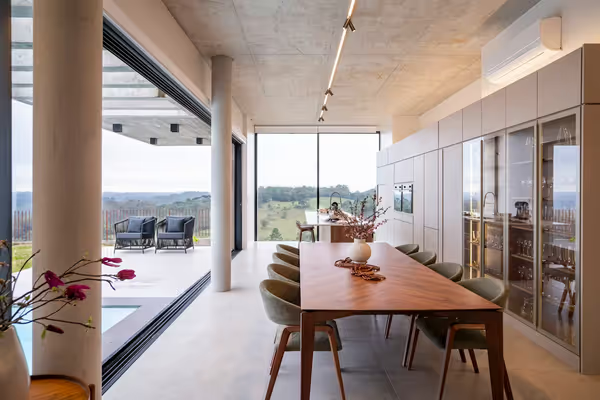
Natural light forms the foundation of every successful biophilic interior. Large windows, skylights, and glazed doors allow daylight to travel deeper into the home, reducing the need for artificial lighting while creating brighter, more uplifting spaces.
Instead of covering windows with heavy treatments, designers often choose sheer linen curtains that soften sunlight without blocking it. Open layouts further encourage light to move freely between rooms, enhancing both comfort and visual spaciousness.
Throughout the day, changing sunlight transforms interior surfaces. Timber flooring glows in the morning, textured stone reveals subtle detail during the afternoon, and warm evening light creates a softer atmosphere that encourages relaxation.
Thoughtfully planned daylight not only improves aesthetics but also strengthens the home's connection with its surroundings.
Natural Materials Create Authentic Spaces
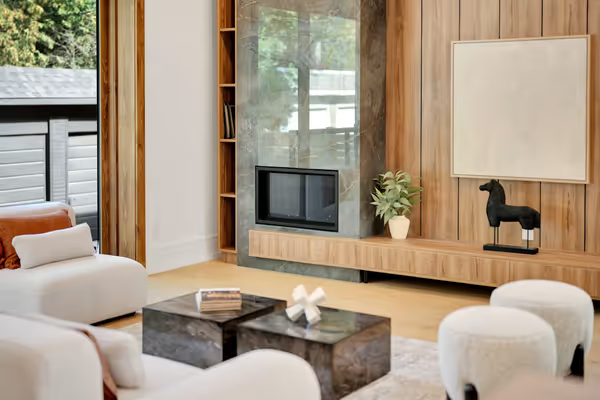
Biophilic interiors celebrate materials that feel genuine rather than manufactured. Solid wood, natural stone, clay, linen, wool, and rattan each introduce texture while reflecting the colours and patterns found in nature.
These materials age gracefully, developing character through everyday use instead of appearing worn. A wooden dining table acquires a richer patina, linen upholstery becomes softer, and handcrafted ceramics reveal the individuality of their makers.
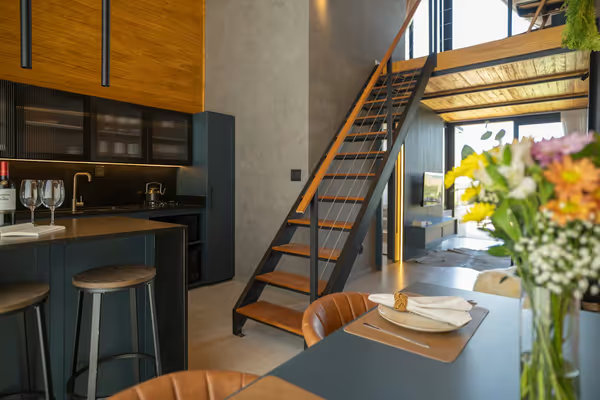
Combining several natural materials creates visual depth without excessive decoration. Oak cabinetry paired with limestone surfaces and woven textiles produces interiors that feel warm, sophisticated, and effortlessly timeless.
Rather than competing for attention, these finishes work together to create a calming atmosphere that encourages slower, more mindful living.
Greenery Beyond Decoration
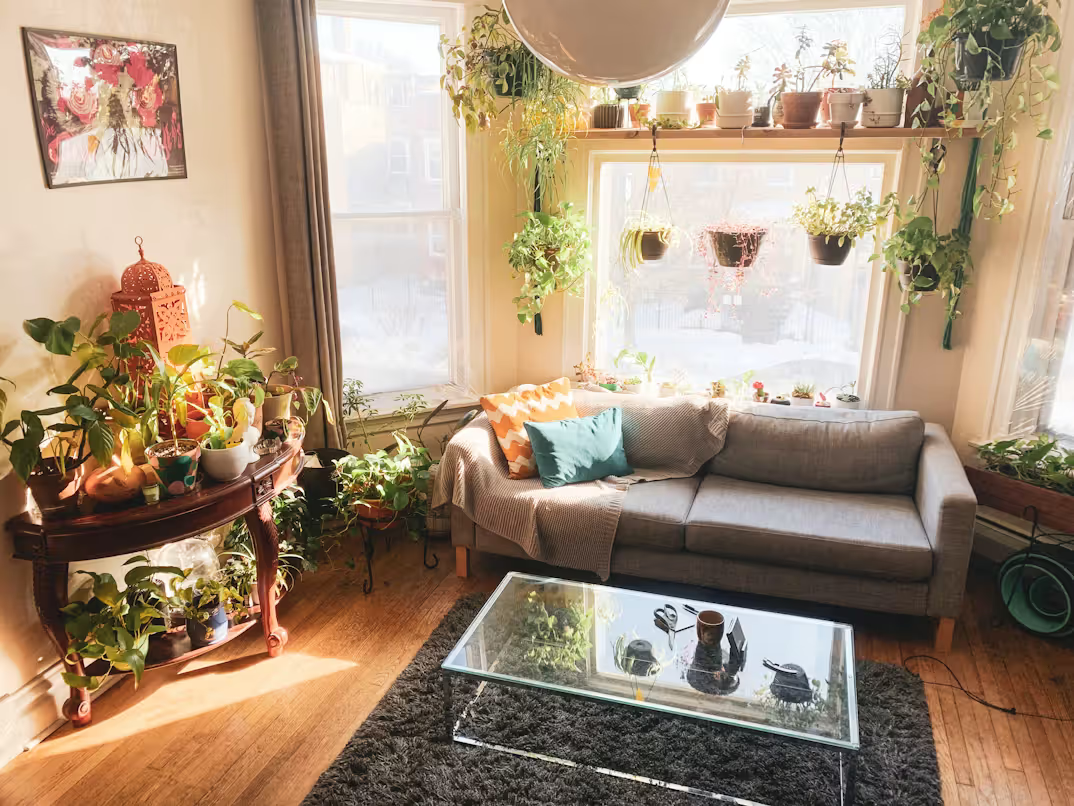
Houseplants have become one of the most recognisable features of biophilic design, but their role extends beyond aesthetics. Carefully positioned greenery softens architectural lines, introduces colour, and helps create a stronger visual relationship between indoor and outdoor spaces.
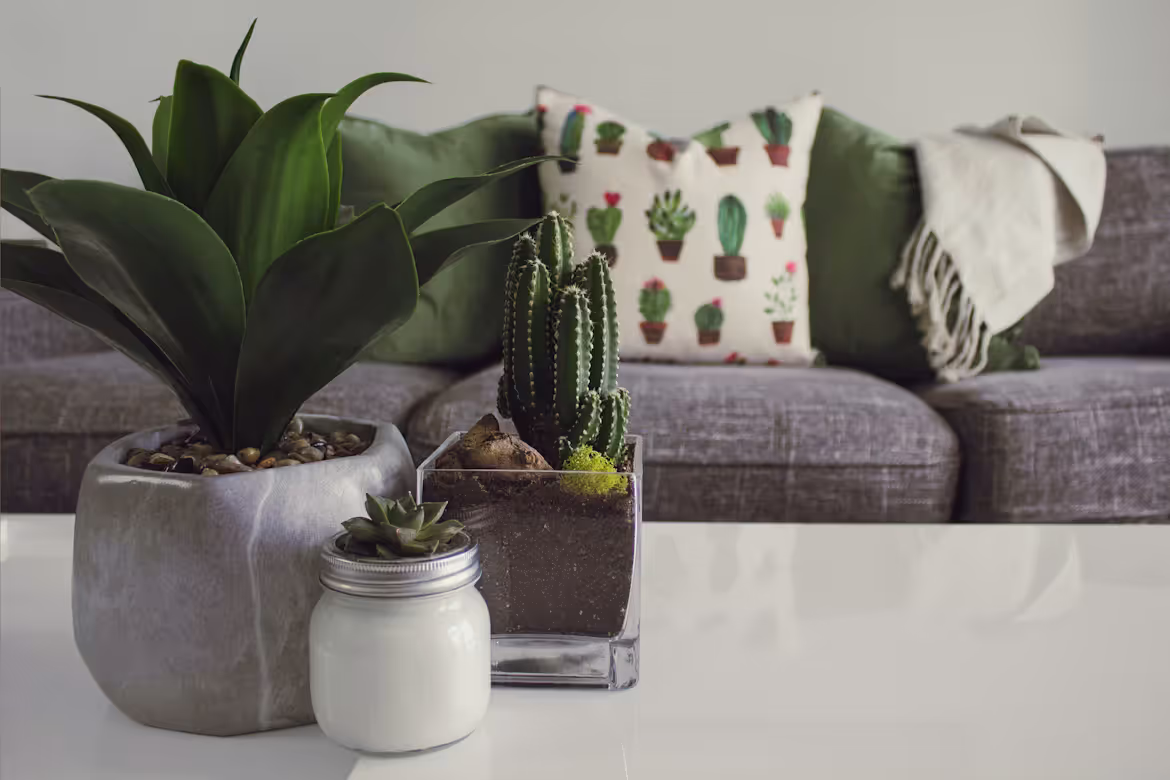
Large statement plants can anchor a living room, while smaller varieties add life to shelving, dining tables, and workspaces. Herb gardens in kitchens and planted courtyards further reinforce this connection, bringing seasonal change into everyday routines.
The goal is not to fill every corner with plants but to integrate them naturally into the overall design. When balanced with quality materials and generous daylight, greenery contributes to interiors that feel fresh without appearing overly styled.
Creating Spaces That Support Well-Being
Biophilic design is ultimately about how a home feels to live in. Fresh air, comfortable temperatures, natural views, and tactile materials all contribute to an environment that supports everyday wellbeing.
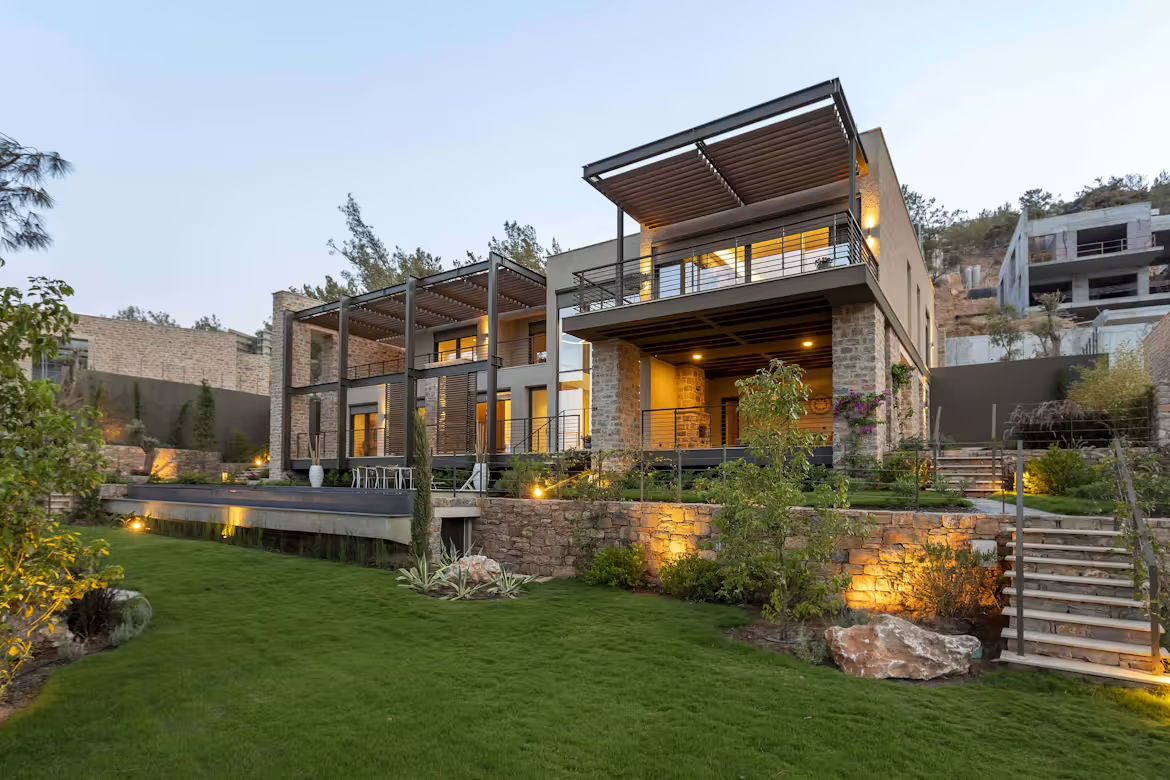
Operable windows encourage cross ventilation, reducing reliance on mechanical cooling during milder months. Outdoor terraces, courtyards, and gardens become natural extensions of interior spaces, encouraging residents to spend more time connected with nature.
Even in compact urban apartments, small changes such as introducing natural materials, maximising daylight, and incorporating greenery can significantly improve the atmosphere of a home.
Thoughtful design reminds us that comfort often comes from simplicity rather than excess.
A Lasting Approach to Sustainable Living
One reason biophilic design continues to gain popularity is its alignment with sustainable living. Durable natural materials, energy-efficient daylight strategies, and long-lasting craftsmanship all contribute to homes designed with longevity in mind.
Instead of chasing seasonal trends, biophilic interiors prioritise timeless principles that remain relevant for decades. They encourage thoughtful purchasing, quality construction, and spaces that evolve naturally alongside the people who inhabit them.
This long-term perspective creates homes that are not only beautiful but also more resilient, adaptable, and meaningful over time.
Final Thoughts
Biophilic design demonstrates that the most successful interiors are those that strengthen our relationship with the natural world. Through generous daylight, authentic materials, carefully placed greenery, and thoughtful planning, homes become places that encourage comfort, creativity, and everyday wellbeing.
Rather than following temporary design movements, this approach celebrates timeless principles that continue to enhance the way we live. By bringing nature indoors in meaningful ways, homeowners create spaces that feel healthier, more peaceful, and beautifully connected to their surroundings.


Comments