
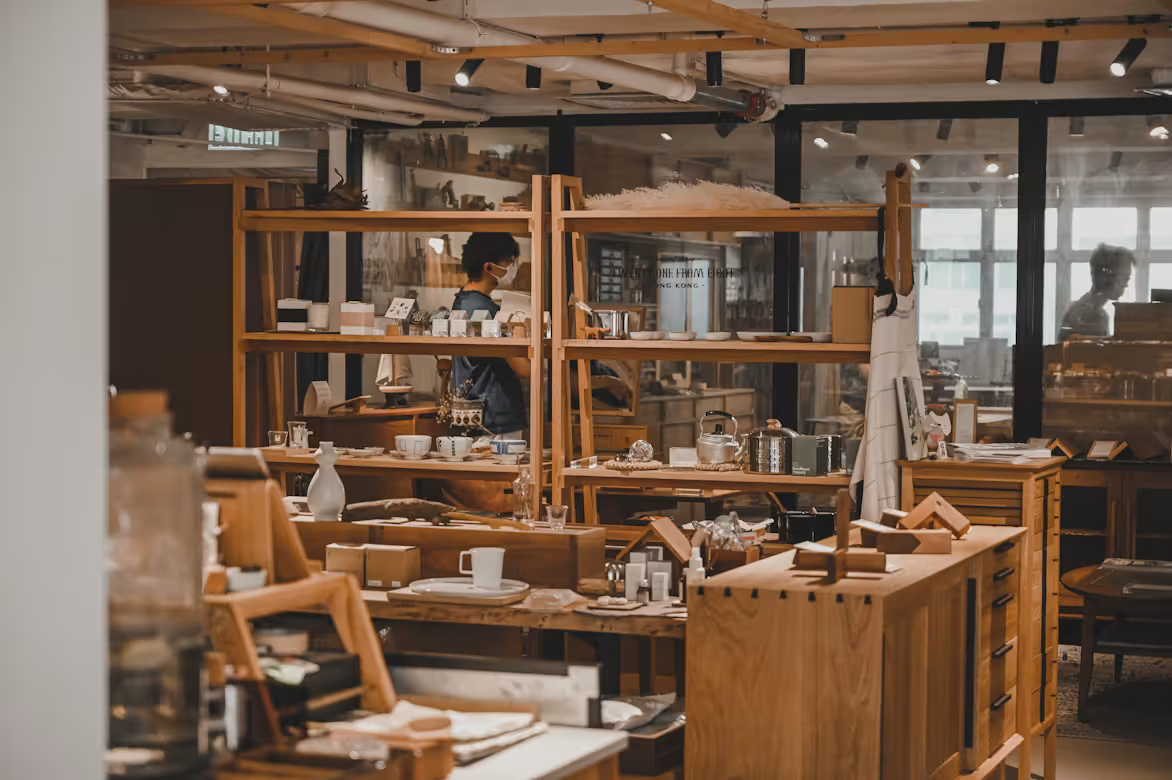
In an age where mass production has made furniture and home accessories more accessible than ever, many homeowners are rediscovering the value of craftsmanship. Rather than filling interiors with identical pieces produced at scale, they are choosing objects that reflect skill, authenticity, and the subtle imperfections that only handmade work can offer.
This renewed appreciation for handcrafted design is not simply a reaction to changing trends. It represents a broader shift toward thoughtful living, where quality is valued over quantity and meaningful purchases replace impulse buying. Handmade furniture, ceramics, textiles, and decorative objects introduce warmth that manufactured products often struggle to replicate.
The appeal lies in their individuality. Every hand-finished table, woven textile, or ceramic vessel carries slight variations that make it unique. These details give a home personality while celebrating the people and traditions behind the craftsmanship.
Craftsmanship That Tells a Story
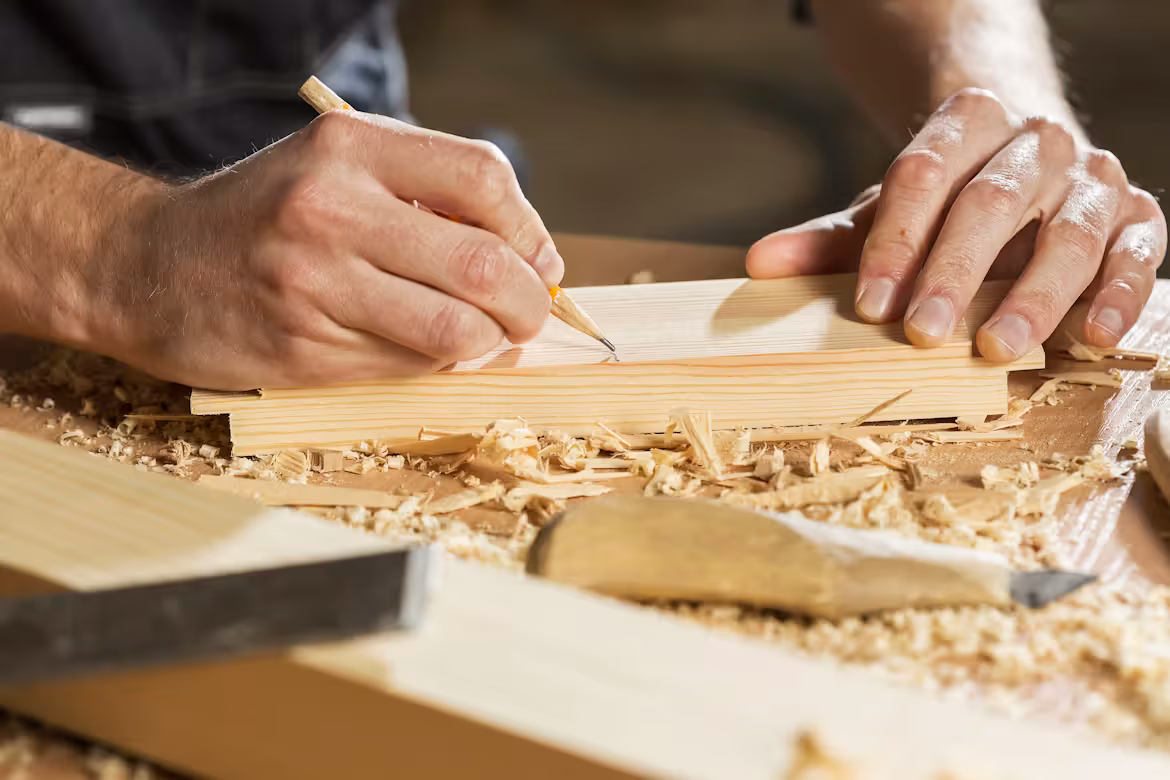
Handcrafted furniture reflects time, patience, and expertise. Every carefully shaped edge, precisely joined corner, and hand-applied finish reveals the attention invested throughout the making process.
Unlike factory-produced pieces designed for efficiency, handcrafted furniture celebrates the natural qualities of its materials. Timber grain remains visible, joints become part of the design, and finishes highlight rather than conceal the character of the wood.
These details create furniture that feels genuine. Over time, each piece develops its own history through daily use, becoming part of family life rather than simply another household object.
Investing in craftsmanship often means investing in furniture that can be enjoyed for generations.
Natural Materials Enhance Authenticity
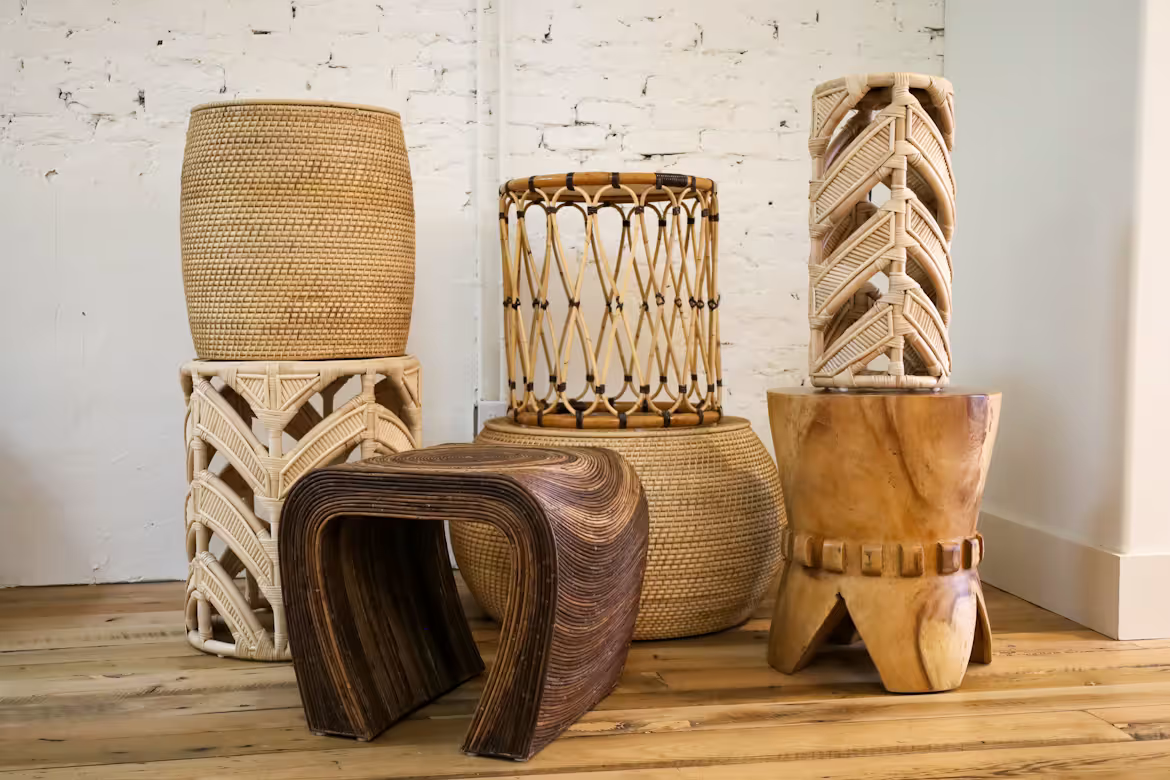
Handcrafted design is closely connected to the materials from which it is made. Solid timber, natural stone, clay, linen, leather, and woven fibres each bring unique textures that cannot be reproduced artificially.
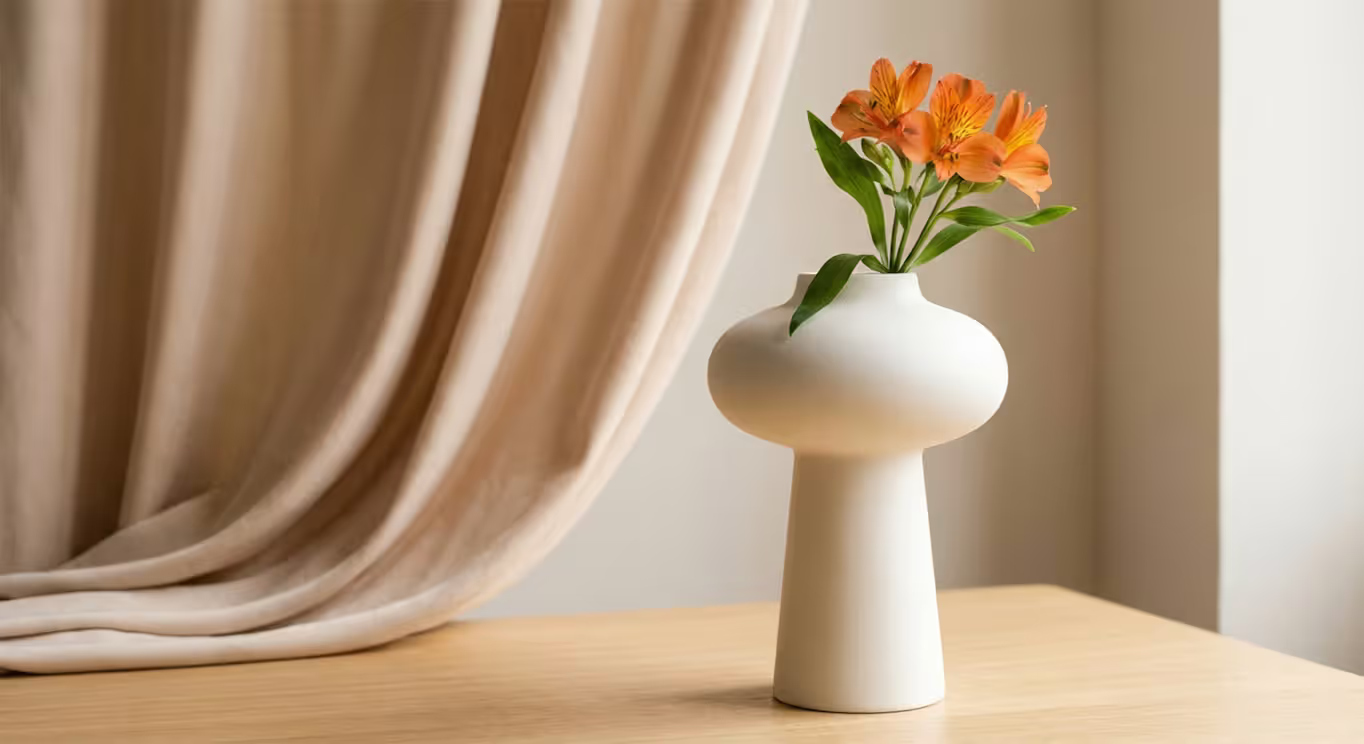
A handmade ceramic vase reveals subtle variations in glaze, while a woven wool rug introduces depth through its irregular pattern. Timber furniture displays distinctive grain that makes every table or cabinet one of a kind.
Combining these materials creates interiors with remarkable richness despite maintaining a restrained colour palette. Instead of relying on decorative excess, handcrafted homes celebrate authenticity through texture and materiality.
These natural finishes also age beautifully, gaining character rather than losing appeal.
Small Details Create Lasting Impact
Not every handcrafted addition needs to become the focal point of a room. Often, it is the smaller details that quietly enrich an interior.
Hand-thrown pottery displayed on open shelving, woven baskets used for storage, carved wooden bowls, linen cushions, and artisan lighting all contribute warmth without overwhelming the space.
These carefully selected objects complement contemporary architecture while softening clean lines and minimalist layouts. Their tactile qualities encourage closer appreciation, creating interiors that feel collected over time instead of assembled from a catalogue.
Thoughtful details remind us that beautiful homes are built gradually through meaningful choices.
Supporting a Slower Approach to Design
The growing appreciation for handcrafted work also reflects a broader movement toward slower, more sustainable living.
Rather than frequently replacing inexpensive furniture, homeowners are increasingly choosing pieces designed to endure. Well-made furniture can be repaired, refinished, and passed between generations, reducing unnecessary waste while strengthening emotional connections with the objects we live alongside.
This philosophy encourages more considered purchasing decisions. Instead of asking what is fashionable today, it asks what will continue to bring value years from now.
Homes designed around lasting craftsmanship naturally feel more personal because every addition has been chosen with intention.
Balancing Handmade Pieces with Contemporary Interiors
Handcrafted objects are remarkably versatile. They work just as comfortably within minimalist apartments as they do in traditional homes, providing warmth without compromising clean architectural lines.
A handcrafted oak dining table pairs effortlessly with contemporary chairs. Ceramic table lamps soften modern bedrooms, while woven textiles introduce texture into neutral living rooms. Even a single artisan-made object can become a focal point that elevates an otherwise simple interior.
The key is restraint. Allowing handcrafted pieces room to breathe ensures their craftsmanship can be appreciated without competing with surrounding décor.
Quality always creates a stronger impression than quantity.
Final Thoughts
Handcrafted design reminds us that exceptional interiors are shaped by more than appearance alone. They reflect the care, knowledge, and creativity invested in every carefully made object.
By choosing furniture and décor created through genuine craftsmanship, homeowners build spaces filled with authenticity, warmth, and lasting character. These pieces continue to improve with age, carrying stories that mass-produced products rarely possess.
As contemporary interiors increasingly favour timeless materials and meaningful design, handcrafted work continues to prove that the human touch remains one of the most valuable elements a home can contain.


Comments