
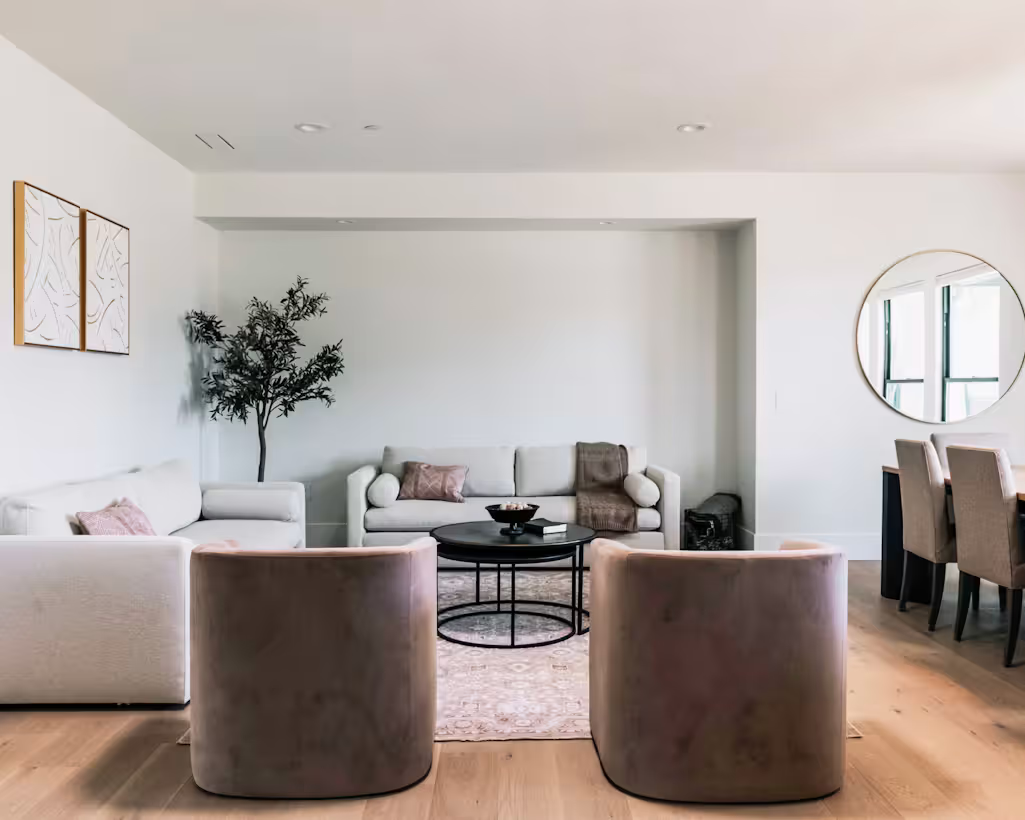
Lighting is one of the most influential yet often overlooked elements of interior design. A beautifully furnished room can feel flat under harsh illumination, while a modest space can become warm and inviting through carefully planned lighting. Beyond helping us see, light shapes atmosphere, highlights architectural details, and influences how colours, textures, and materials are perceived throughout the day.
Professional designers rarely think of lighting as the final decorative touch. Instead, it is considered from the very beginning of a project, working alongside architecture, furniture, and finishes to create a cohesive environment. Whether natural daylight pours through large windows or carefully positioned lamps illuminate a quiet reading corner, thoughtful lighting transforms the experience of living within a space.
The most memorable interiors embrace both daylight and artificial lighting, allowing every room to adapt effortlessly from bright mornings to relaxed evenings.
Let Natural Light Shape the Design
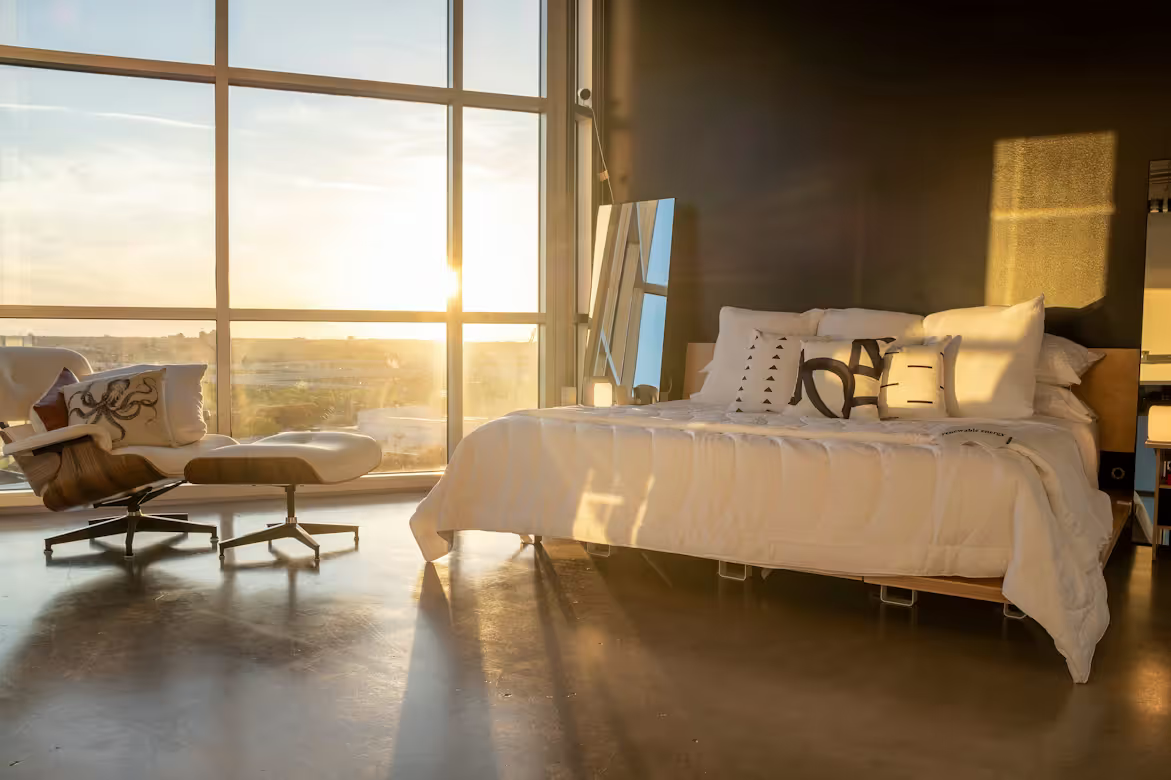
Natural daylight remains the most valuable source of illumination in any home. It reveals the true colour of materials, enhances textures, and creates an ever-changing atmosphere that artificial lighting cannot fully replicate.
Rather than blocking windows with heavy furnishings, designers often position seating areas where daylight can be enjoyed throughout the day. Lightweight linen curtains soften sunlight without preventing it from entering, while mirrors help reflect light into darker corners.
Open layouts also encourage daylight to travel freely between spaces, making homes feel larger and more connected. Even small apartments benefit from maximizing available sunlight through thoughtful furniture placement and light-reflective finishes.
A room designed around natural light feels healthier, brighter, and more welcoming from the moment the day begins.
Layer Light Instead of Depending on One Source
A single ceiling fixture rarely provides the flexibility needed for everyday living. Successful interiors combine multiple light sources to support different activities while creating depth and comfort.
Ambient lighting establishes overall brightness, task lighting improves visibility for reading or cooking, and accent lighting highlights artwork, shelving, or architectural features. Together, these layers create balance and eliminate harsh shadows.
Table lamps placed beside sofas, floor lamps beside lounge chairs, and discreet wall sconces all contribute to a softer atmosphere than overhead lighting alone. The result is a room that feels comfortable rather than overly bright.
Layered lighting also allows homeowners to adjust the mood throughout the day without changing the overall design of the room.
Use Lighting to Highlight Materials
Natural materials respond beautifully to thoughtful illumination. Warm timber reveals its grain, textured stone gains greater depth, and woven fabrics appear softer under carefully positioned light.
Instead of flooding every corner with brightness, designers often allow certain areas to remain gently shaded. This subtle contrast creates visual interest while drawing attention toward key architectural features or carefully selected furniture.
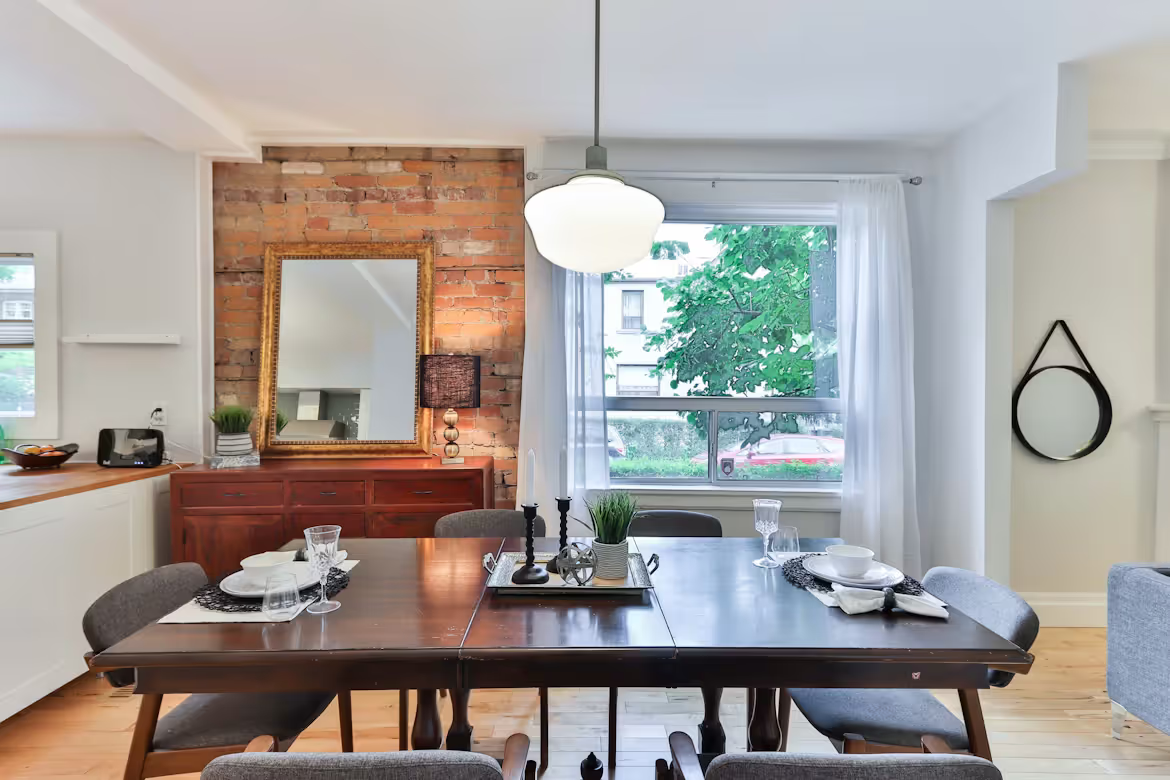
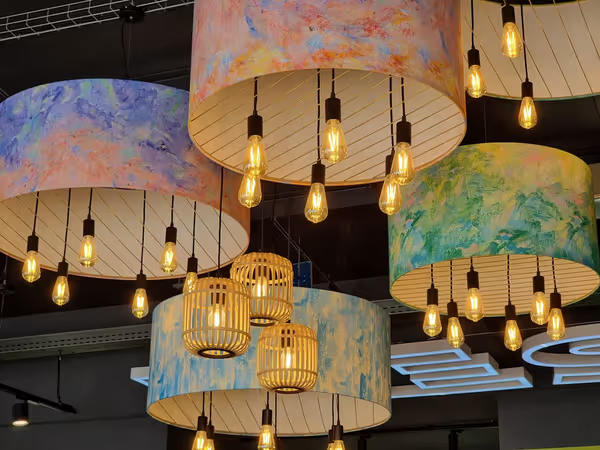
Decorative lighting fixtures can also become sculptural elements in their own right. Pendant lights above dining tables, elegant wall lights in hallways, and understated bedside lamps contribute both function and personality without overwhelming the interior.
When lighting is chosen with the same care as furniture and finishes, it becomes an essential part of the home's overall composition.
Choosing the Right Colour Temperature
Brightness is only one aspect of successful lighting. Colour temperature significantly influences how a room feels.
Warm lighting creates a welcoming atmosphere in living rooms and bedrooms, complementing wood, linen, and natural stone beautifully. Cooler lighting is often better suited to workspaces and kitchens where greater visual clarity is needed.
Maintaining consistency throughout a home helps spaces flow naturally from one room to another. Abrupt changes in colour temperature can make interiors feel disconnected, even when the overall design is cohesive.
Dimmable lighting adds another layer of flexibility, allowing homeowners to adapt the mood for entertaining, quiet evenings, or everyday routines with ease.
Lighting Creates Emotion, Not Just Visibility
Perhaps the greatest strength of thoughtful lighting is its ability to influence how a space feels. Soft illumination encourages relaxation, while carefully directed lighting can make architectural features appear more dramatic or intimate.
The most inviting homes are rarely the brightest. Instead, they balance light and shadow to create comfort and depth. Small pools of warm light around seating areas often feel more welcoming than uniformly illuminated rooms.
This emotional quality explains why lighting remains one of the most powerful tools in interior design. It shapes experiences as much as appearances, making homes feel calm, elegant, and lived in.
Final Thoughts
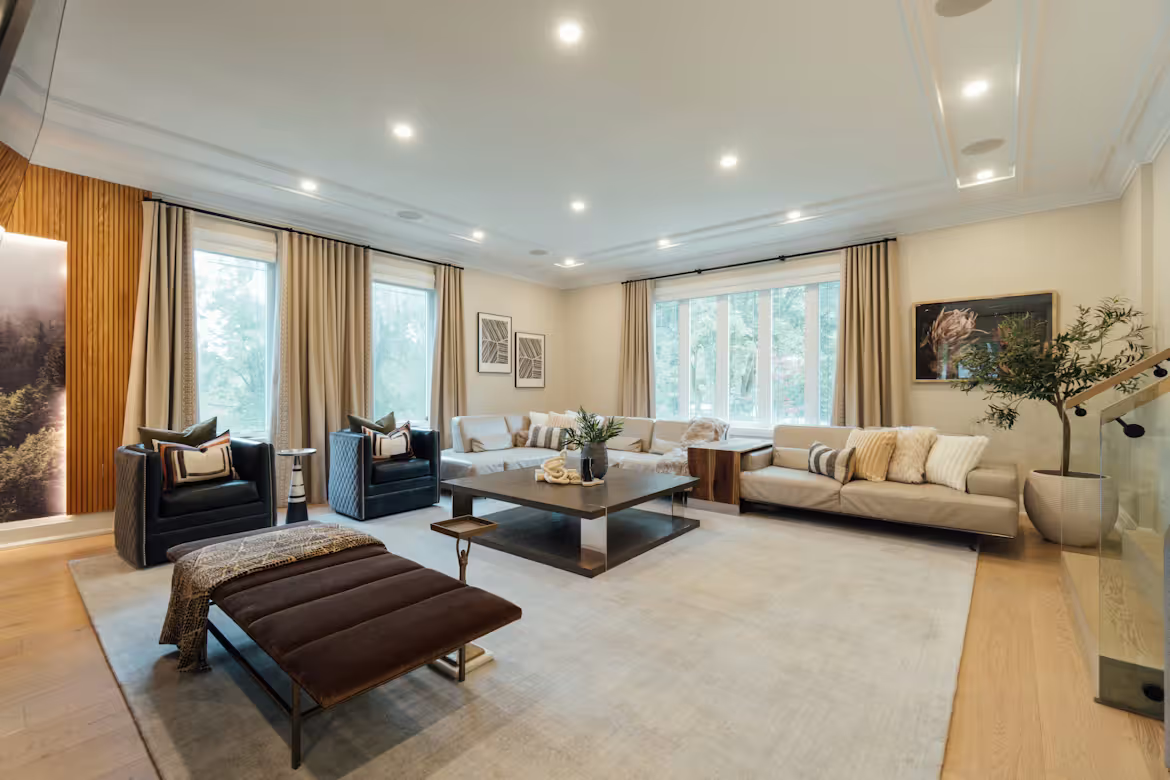
Great lighting quietly enhances every element of an interior. It reveals the beauty of natural materials, supports everyday activities, and creates atmospheres that change gracefully throughout the day.
By combining generous daylight with layered artificial lighting, homeowners can create spaces that feel welcoming in every season. Rather than treating lighting as an afterthought, making it an integral part of the design process leads to interiors that are both functional and timeless.
When carefully considered, light becomes more than illumination—it becomes one of the defining features of a beautifully designed home.

Comments