
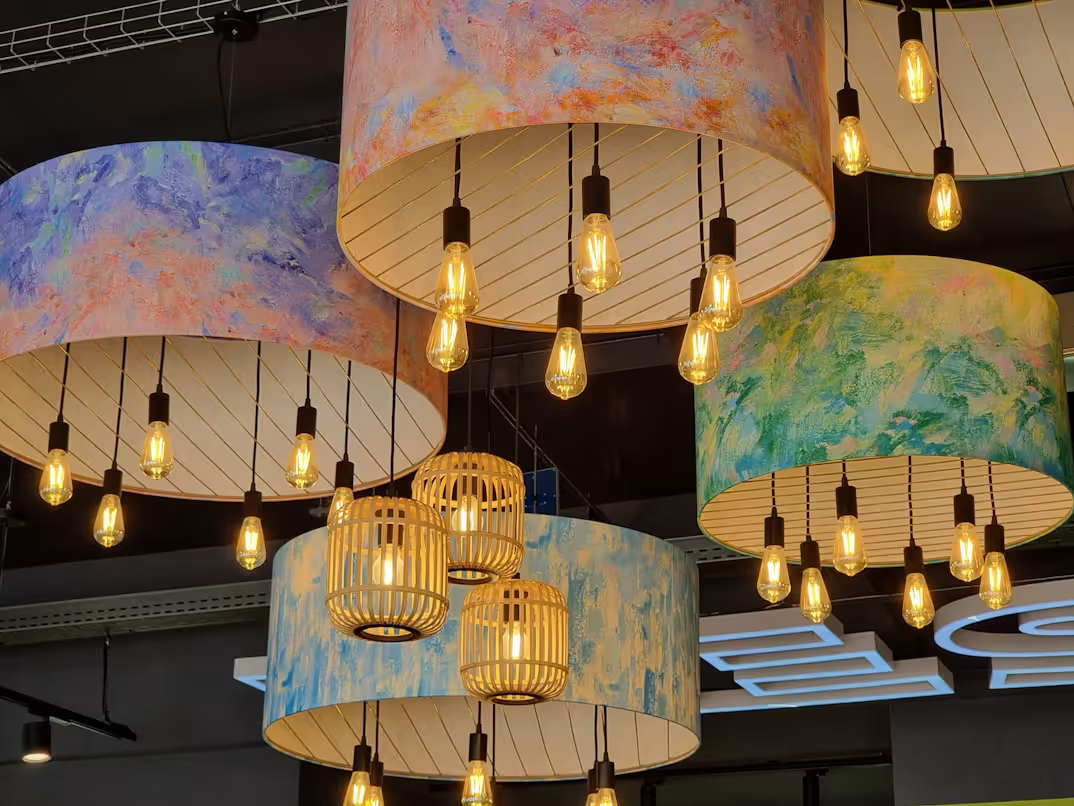
Lighting has the ability to transform an interior more dramatically than almost any other design element. While furniture establishes function and materials define character, lighting shapes how those elements are experienced throughout the day. A carefully selected fixture can highlight architectural details, create intimacy within open spaces, and influence the atmosphere of an entire home.
Today's lighting is expected to do far more than provide illumination. Pendant lights become sculptural centrepieces above dining tables, wall sconces introduce warmth to hallways, and carefully positioned floor lamps create inviting reading corners. The most successful interiors treat lighting as an integral part of the design rather than an accessory added at the end of a project.
When chosen thoughtfully, lighting fixtures contribute beauty both when switched on and when admired as standalone design objects.
Let Every Room Have a Lighting Strategy
Exceptional lighting begins with planning rather than product selection. Every room serves a different purpose, and the lighting should respond accordingly.
Living rooms benefit from layered illumination that adapts throughout the day, while kitchens require brighter task lighting over work surfaces. Bedrooms often rely on softer bedside lighting to encourage relaxation, and dining spaces become more inviting when pendant lights create a warm pool of light above the table.
Considering how a room is used helps determine where light is needed most. Instead of depending on a single ceiling fixture, combining several light sources creates flexibility and improves visual comfort.
Thoughtful planning ensures every space feels functional without sacrificing atmosphere.
Statement Fixtures That Complement Architecture
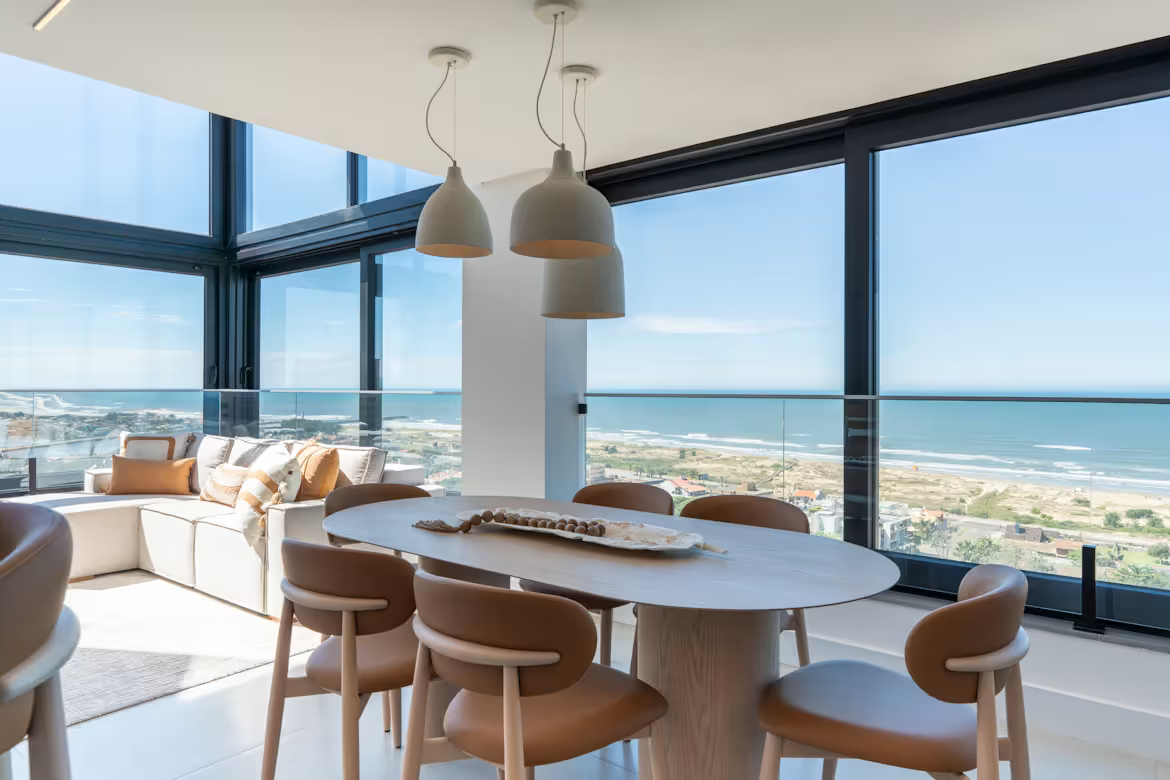
A well-designed lighting fixture can become the focal point of a room without overwhelming the surrounding interior.
Large pendant lights above kitchen islands, sculptural chandeliers in double-height spaces, or elegant wall sconces framing a fireplace all contribute visual interest while reinforcing the room's proportions.
The scale of each fixture should relate naturally to the architecture. Oversized lighting may dominate compact rooms, while fixtures that are too small can disappear within larger spaces.
Rather than competing with furniture and artwork, statement lighting should enhance the overall composition, creating balance between function and design.
Materials That Age Beautifully
Just like furniture, lighting fixtures benefit from quality materials that improve over time.
Brushed brass develops a gentle patina, matte black finishes provide contemporary contrast, and hand-blown glass introduces softness and craftsmanship. Ceramic shades, natural stone bases, and timber details add warmth while complementing other materials found throughout the home.
Selecting fixtures made from authentic materials ensures they remain relevant even as interior styles evolve. Instead of replacing lighting every few years, homeowners can invest in timeless designs that continue adding character for decades.
Quality craftsmanship often becomes more noticeable with time, making lighting a lasting part of the home's identity.
Layer Light for Comfort and Flexibility
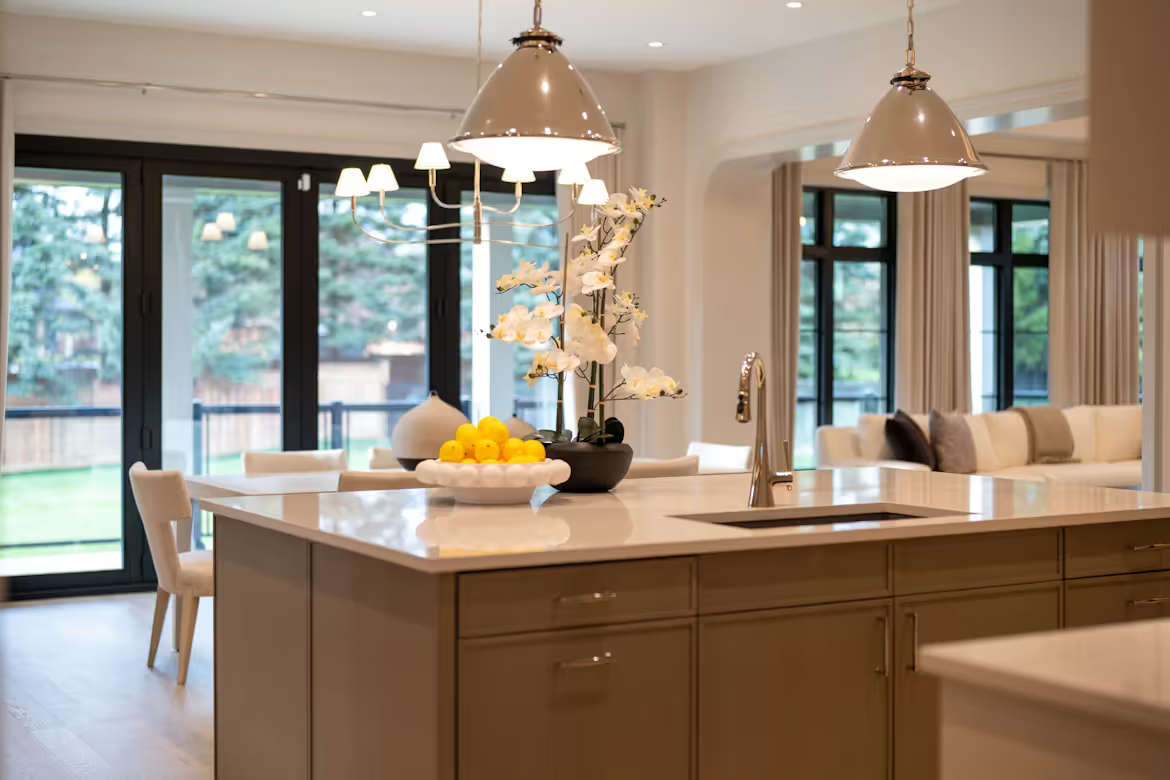
One of the most common design mistakes is relying entirely on overhead lighting. While ceiling fixtures provide general illumination, they rarely create the warmth and depth associated with thoughtfully designed interiors.
Table lamps, floor lamps, recessed lighting, and wall sconces work together to establish different layers of light. During the day, natural sunlight remains the primary source of illumination. As evening approaches, softer lighting creates a more intimate atmosphere suited to conversation and relaxation.
Dimmers further improve flexibility by allowing brightness to be adjusted according to different activities and times of day.
This layered approach creates interiors that feel welcoming instead of uniformly bright.
Balancing Style with Practicality
Lighting should always enhance everyday living as much as visual appeal.
Reading corners require focused task lighting, kitchen worktops benefit from shadow-free illumination, and stairways need safe, consistent visibility. Decorative fixtures should complement these practical requirements rather than replace them.
Energy-efficient LED technology now offers warm colour temperatures and excellent longevity, making it easier to create comfortable interiors while reducing energy consumption.
By balancing aesthetics with performance, homeowners can enjoy lighting that remains both beautiful and practical for years.
Final Thoughts
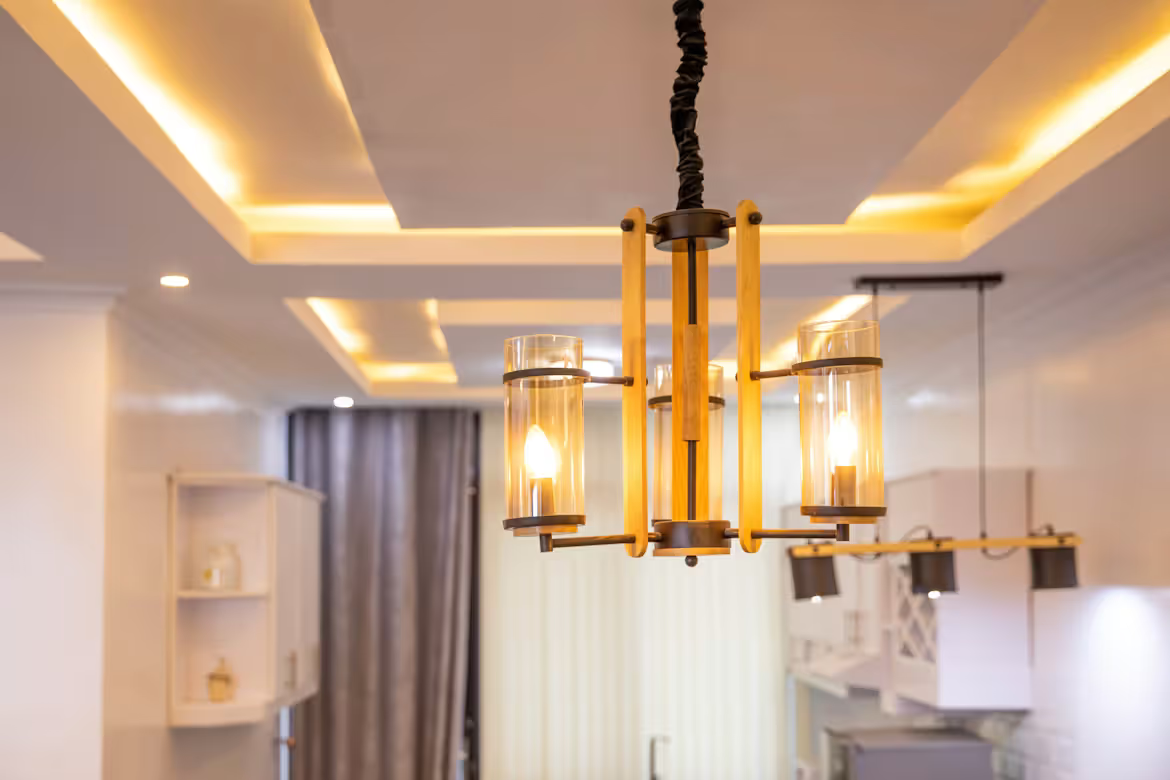
Lighting is one of the few design elements capable of transforming a room without altering its architecture. Through thoughtful planning, quality materials, and carefully layered illumination, it creates interiors that feel inviting from morning until night.
Rather than selecting fixtures purely for decoration, investing in timeless lighting allows every room to benefit from improved comfort, functionality, and visual harmony. As trends come and go, beautifully crafted lighting continues to prove that great design is as much about atmosphere as it is about appearance.

Comments